10+
Years Precision CNC & R&D
±0.05mm
True Axis CNC Tolerance
11-20
Dedicated QC Specialists
20 Days
Average Batch Lead Time
Engineered FPV Airframes & Protective Assemblies
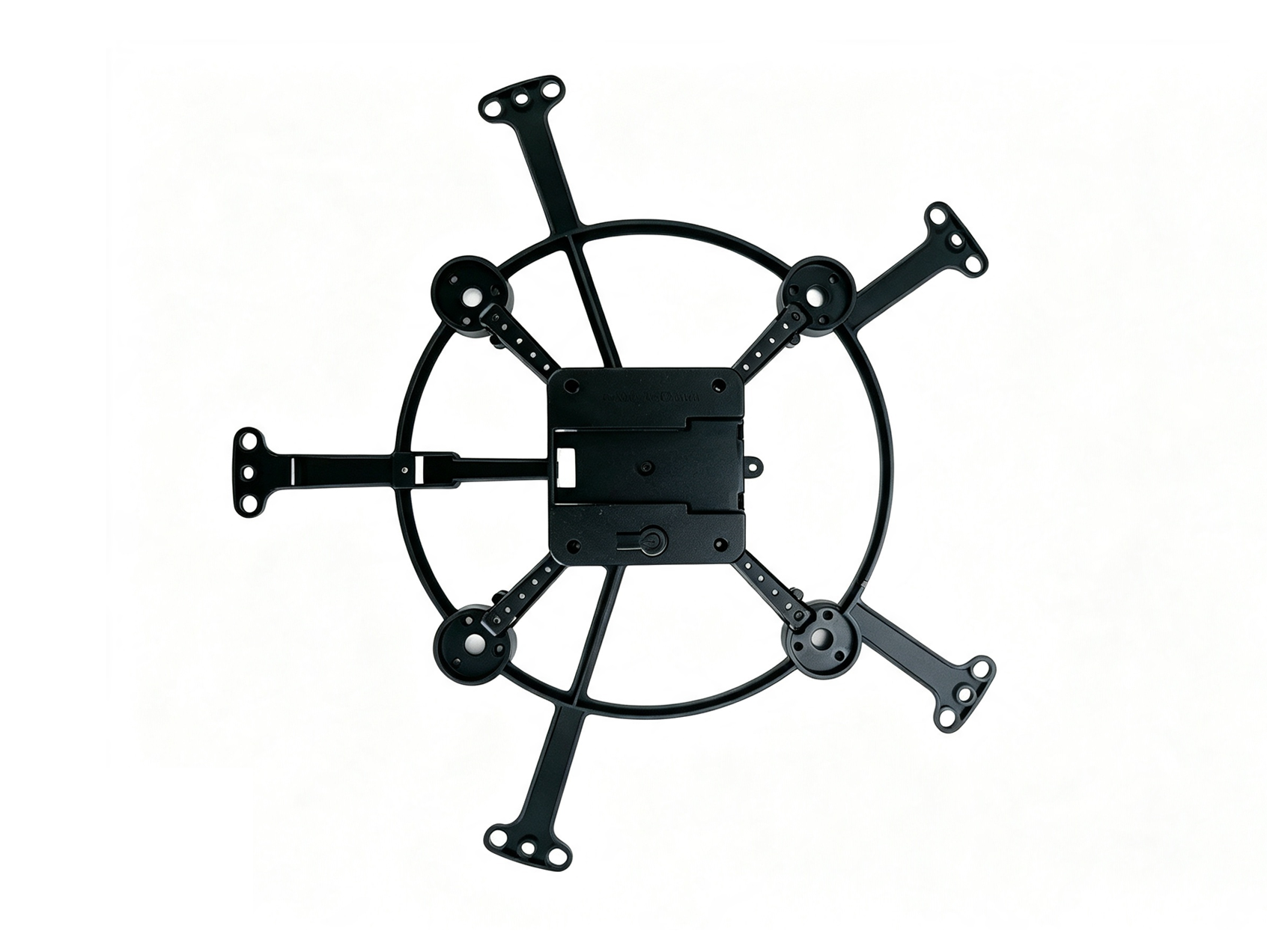
Precision-milled carbon platforms, high-impact polycarbonate spheres, and reinforced hardware tailored for desert thermals, urban inspections, and multi-rotor racing leagues across Cairo, Alexandria, and Giza.

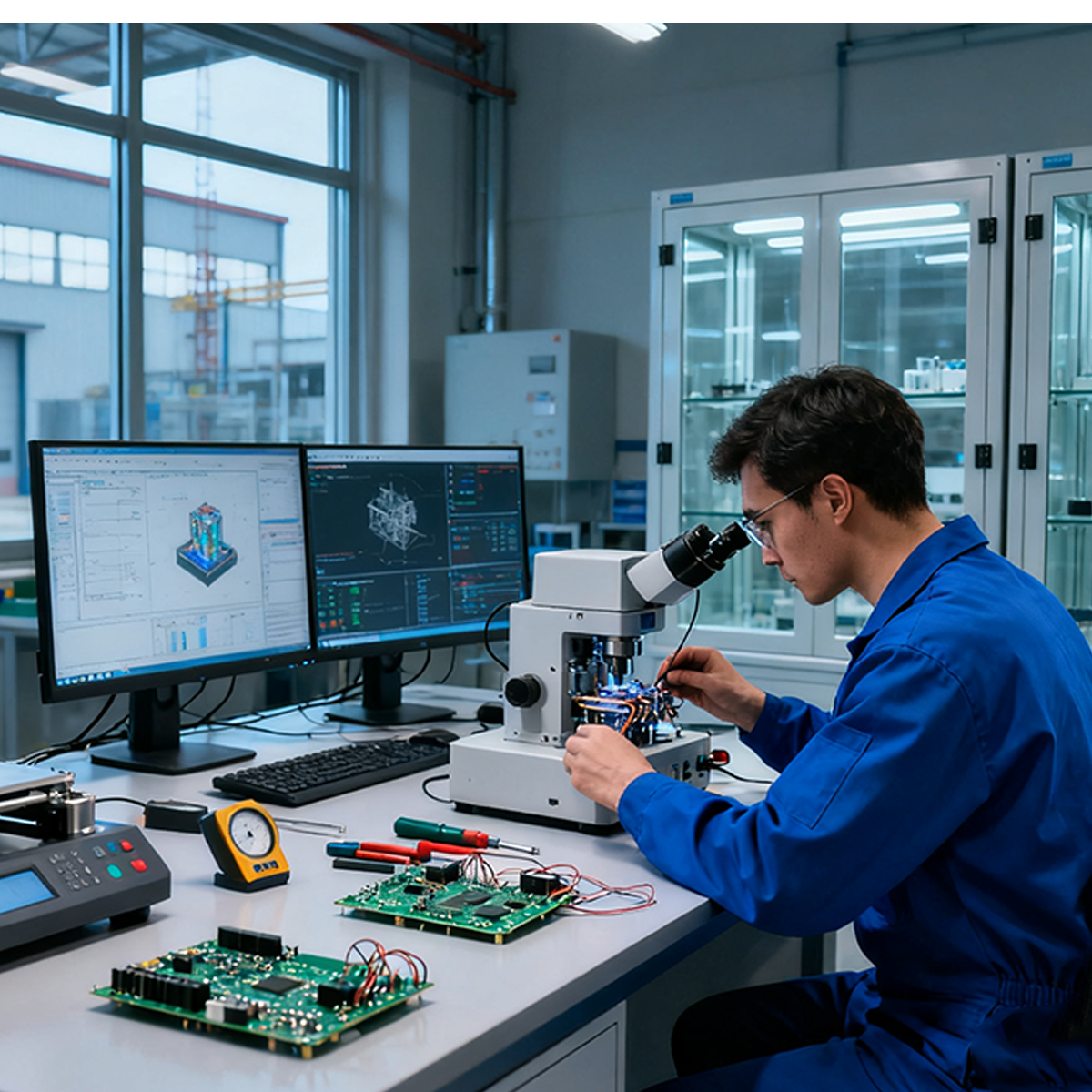


Technical White Paper: Engineering FPV Drone Frames for Egypt's High-Stress Environments
Operating high-performance First-Person View (FPV) unmanned aerial systems in the Arab Republic of Egypt introduces unique aerodynamic, thermal, and mechanical challenges. The convergence of ambient temperatures exceeding 45°C across Upper Egypt, abrasive desert particulate matters (fine quartz dust), and high thermal up-drafts requires a fundamental departure from hobby-grade carbon laminates. As a tier-1 OEM/ODM drone structural manufacturer based in Shenzhen, China, our manufacturing methodology addresses these regional operating parameters through advanced material science and high-precision CNC machining.
Standard commercial drone frames often rely on low-cost carbon-glass fiber hybrid plates (containing up to 40% fiberglass filler) which exhibit significant thermal expansion variance and resonant micro-fracturing under intense motor torque and high heat. Our manufacturing standards mandate authentic 100% Toray T300 and T700 high-tensile 3K carbon fiber woven sheets, vacuum-bonded under high pressure with aerospace-grade high-glass-transition-temperature (Tg > 135°C) epoxy matrices. This ensures zero resin delamination when quadcopters operate with heavy battery payloads under direct Saharan solar radiation.
Localized Strategic Applications in Egypt
From infrastructure monitoring across the Suez Canal to ultra-fast cinematic production at historical monuments, see how our airframe kits power commercial operations.
Heritage & Desert Cinematography
Egypt's rapidly expanding international film industry, centered around the Giza Plateau, Luxor, and the Red Sea Riviera, demands jitter-free high-speed cinematic filming. Our 7-inch and 8-inch Deadcat carbon frame configurations move front propellers entirely out of wide-angle camera perspectives while maintaining structural rigidity across extreme temperature shifts.
Infrastructure & Mega-Projects
With massive national infrastructure investments including the New Administrative Capital (NAC) and the Suez Canal Economic Zone (SCZone), commercial engineering firms deploy compact ducted cinewhoop frames for indoor architectural progress scans, bridge pillar inspection, and confined pipeline corridor mapping.
STEM Education & Drone Soccer
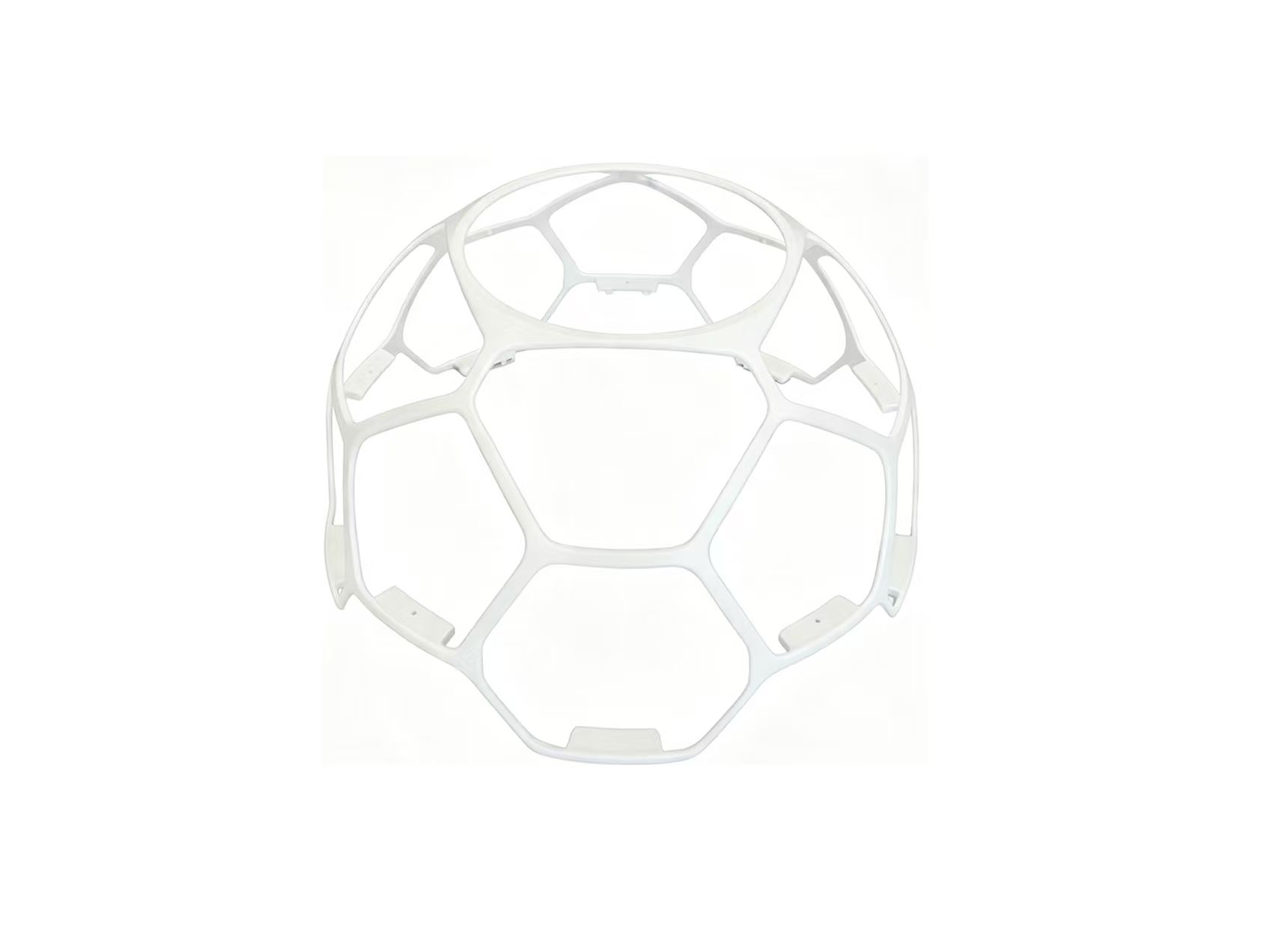
Aligned with the Egyptian Ministry of Communications and Information Technology's digital youth empowerment initiatives, our F1A spherical soccer drone airframes provide robust educational platforms for universities in Cairo and Mansoura, offering 360-degree impact defense during high-velocity collision learning programs.
Sub-Millimeter CNC Carbon Milling Precision
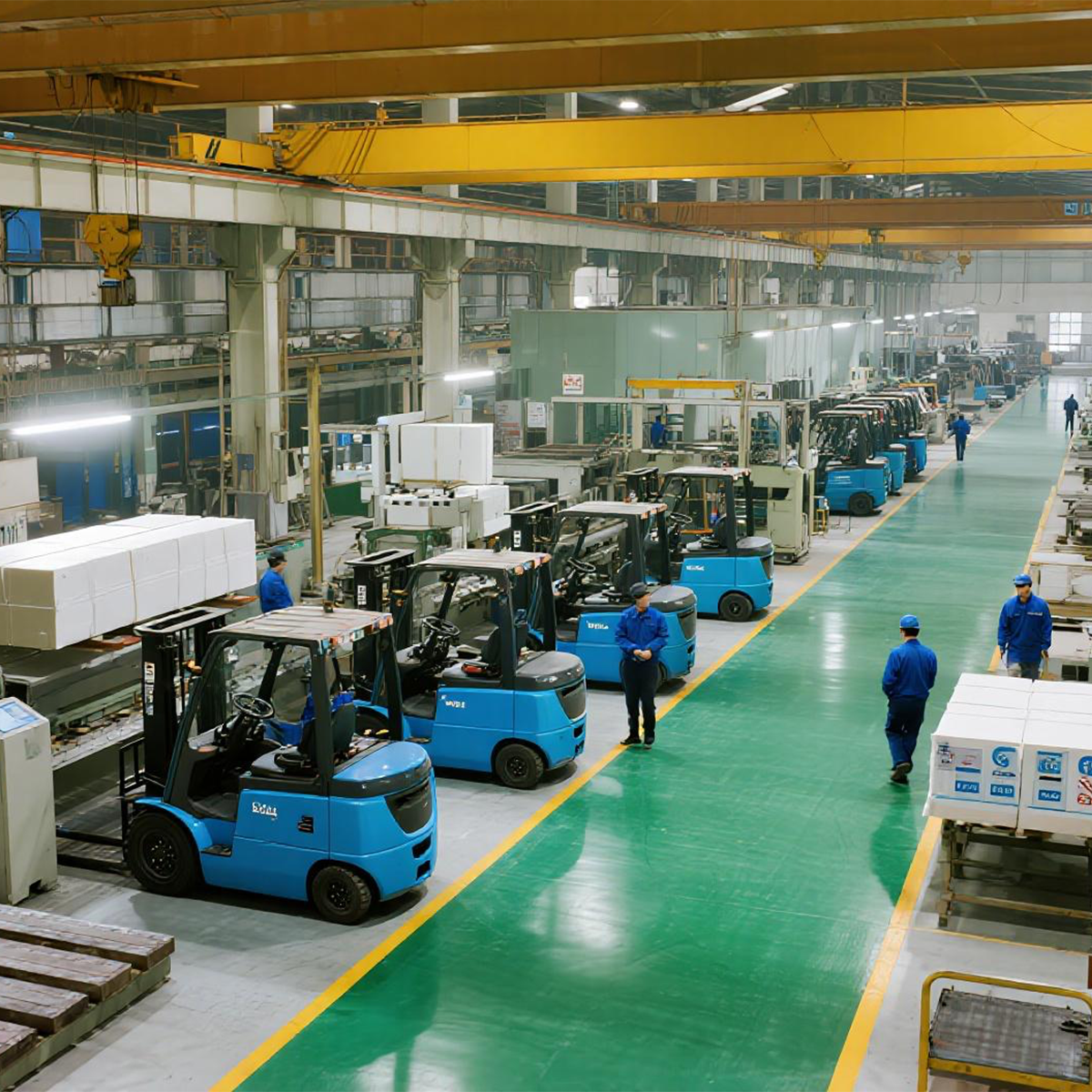
Our Shenzhen production hub houses high-speed, water-cooled CNC milling centers engineered specifically for carbon composites. By cutting raw carbon fiber beneath specialized fluid cooling curtains, we eliminate micro-delaminations and airborne particulate contamination, guaranteeing glass-smooth chamfered arm edges (±0.05mm dimensional tolerance).
For custom ODM frame programs targeting the Egyptian defense, surveying, or industrial racing sectors, our engineering group works from STEP, DXF, or CAD models to iterate physical prototypes within 72 hours, backed by full finite element stress testing (FEA).
Egyptian Market Trends & Regulatory Modernization in Drone Technology
The regulatory and operational landscape for unmanned aircraft in Egypt has witnessed notable developments. Under Egyptian Civil Aviation Authority (ECAA) oversight and relevant ministerial frameworks, authorized commercial usage of unmanned systems is gaining momentum, particularly in industrial mapping, maritime logistics along the Port Said and Alexandria shipping lanes, and precision agricultural pilot projects in the Toshka and New Valley development zones.
A pronounced shift is occurring: procurement managers and technical flight schools in Egypt are transitioning away from closed, proprietary consumer drone platforms toward modular, open-architecture FPV carbon platforms. Proprietary systems often suffer from high replacement costs, closed software ecosystems, and localized maintenance lockouts. Conversely, our open-geometry FPV frame kits empower Egyptian system integrators to field-repair equipment using standard components, swap custom radio telemetry systems (such as 915MHz / 868MHz long-range protocols or 4G LTE cellular modules), and modify arm structures according to payload demands.
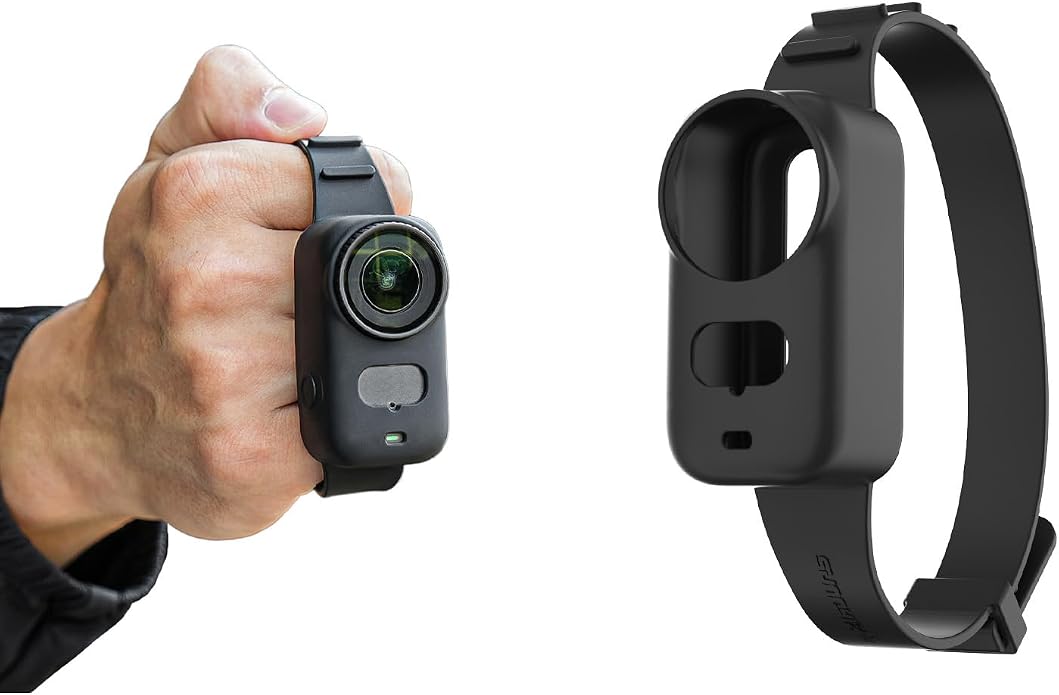
Furthermore, local technical workshops and university robotics clubs are establishing organized racing leagues, driving substantial demand for standardized, crash-resistant airframes with easily procurable spare carbon arms and injection-molded TPU canopies.
Enterprise Manufacturing Competencies & Supply Chain Reliability
Rooted in Shenzhen's hardware heartland since 2013, we deliver integrated manufacturing agility with certified international quality control.
Comprehensive OEM/ODM Engineering
We provide full structural customization including branded top plates, custom motor mount PCD (Pitch Circle Diameter), titanium screw hardware upgrades, bespoke molded TPU camera vibration mounts, and custom retail or bulk packaging.
Rigorous Multi-Stage QC
A specialized team of 11 to 20 QC inspectors assesses raw carbon density, fiber weave alignment, tensile flex modulus, and thread tapping accuracy across every batch. Full material verification reports and compliance certificates are issued before export.
Direct Export Logistics to Egypt
Full support for DDP, DAP, and CIF terms originating from Shenzhen Yantian port or Shenzhen Bao'an Air Cargo Hub directly to Cairo International Airport (CAI) or Alexandria Port, including full export documentation and HS code standardization.
Frequently Asked Questions by Importers & Operators in Egypt
Technical, logistical, and commercial inquiries answered with direct transparency.
What carbon fiber grades are utilized to withstand high-velocity impacts in desert conditions?
We use genuine 100% Toray 3K carbon fiber (T300/T700 options). Plates are formed through multi-layer quasi-isotropic layups (0°, 90°, and ±45° woven orientations) compressed under heat. This prevents the anisotropic arm snap commonly seen during hard impacts on desert hardpack and rocky soils.
How are shipments handled regarding Egyptian customs and regulatory declarations?
As a hardware manufacturer, we export drone frame kits as passive structural mechanical assemblies (HS Code 88073000 / 39269090 - Parts of Unmanned Aircraft or Articles of Plastics/Carbon Fiber). Frame kits contain no active RF transmitters, batteries, or imaging equipment unless explicitly ordered, facilitating standardized customs clearance through Egyptian ports.
Can we request custom arm thicknesses and motor mounting configurations?
Yes. Our CNC tooling accommodates arm thicknesses from 2.0mm up to 8.0mm with custom motor holes (e.g., 9x9mm, 12x12mm, 16x16mm, or 19x19mm patterns). We can integrate custom arm inter-locking braces, press-fit steel threaded nuts, and countersunk screw holes per your CAD specifications.
What is the Minimum Order Quantity (MOQ) and production lead time for bulk orders?
For standard catalog frame kits, our minimum batch size starts at 50 to 100 sets. Custom ODM CNC milling runs typically start at 100 sets. Standard sample turnaround is 3 to 5 business days, with complete batch production delivered within approximately 20 business days from drawing sign-off.
Do you supply replacement carbon arms, standoffs, and hardware kits separately?
Yes. A key advantage for our B2B partners in Egypt is our spares program. We provide individually barcoded carbon replacement arms, top plates, 7075 aluminum textured standoffs, and high-tensile 12.9 grade steel hardware packs to support ongoing fleet repair and retail maintenance inventories.