Curated Smart Robot Kits & Subsystems for Osaka Importers
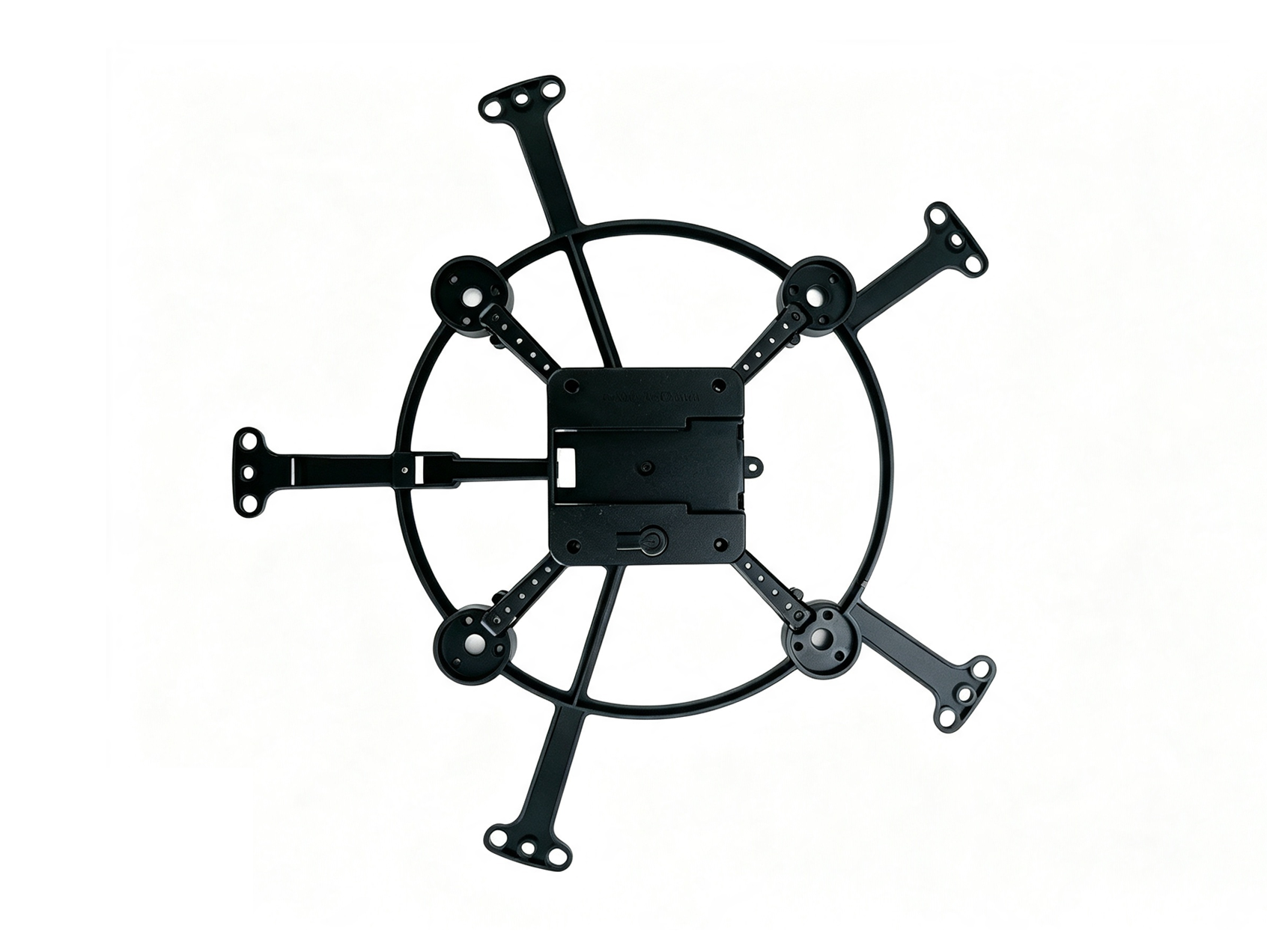
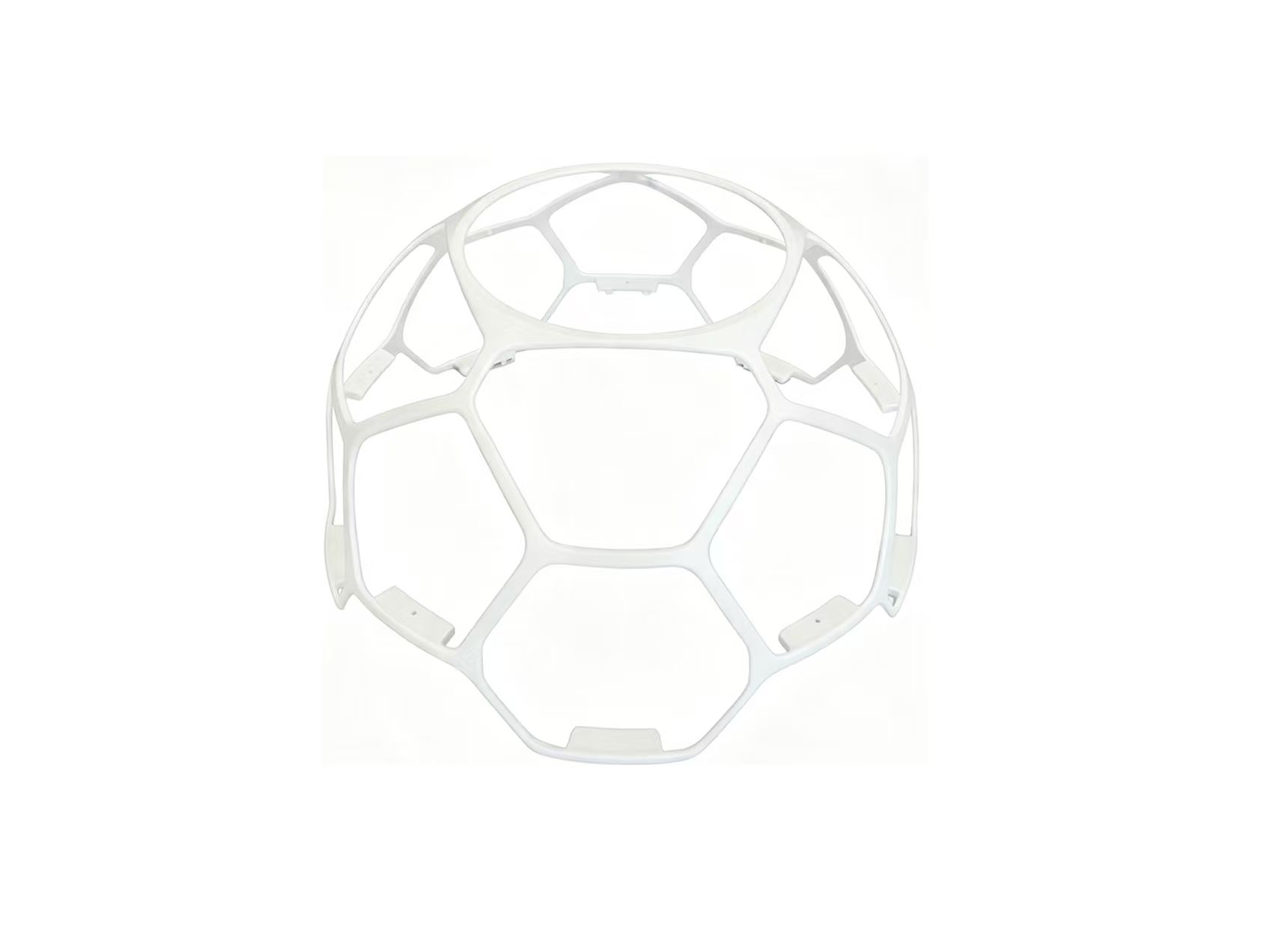
From competitive drone soccer platforms compliant with Kansai League rules to generative voice-AI interactive hardware and high-impact modular STEM robotics kits ready for direct deployment.


The Shenzhen-to-Osaka Robotics Corridor: Bridging Rapid Prototyping with Kansai Monodukuri
The Greater Osaka metropolitan area, historically recognized as the powerhouse of Japanese mechatronic innovation and precision manufacturing (Monodukuri), is experiencing a structural revolution in its robotics ecosystem. Under Japan's national Society 5.0 strategic blueprint and the legacy of the Osaka-Kansai Expo, the demand for adaptable, programmable, and production-ready smart robot kits has surged across corporate R&D divisions, technical colleges (Kosen), and educational boards.
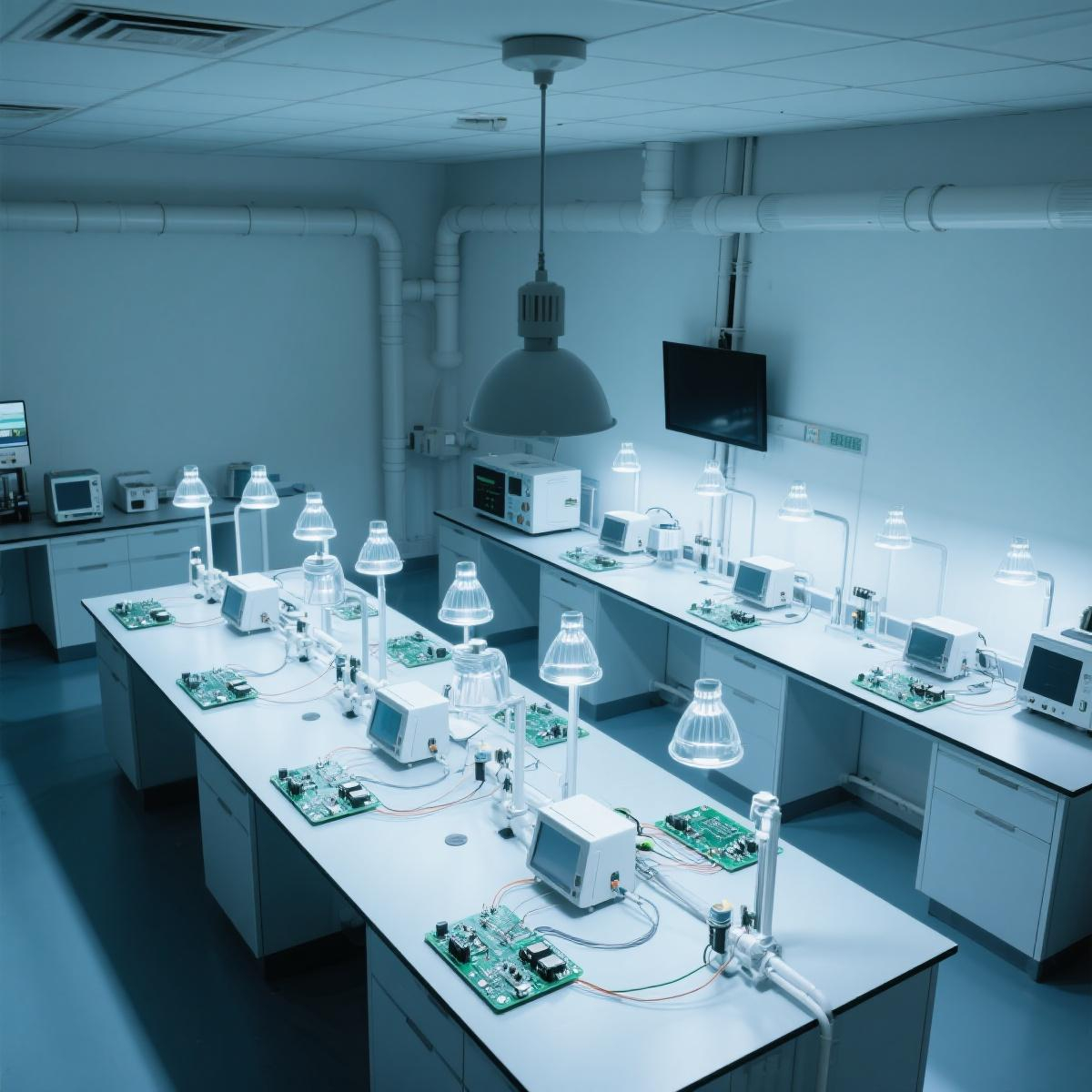
However, local Japanese domestic prototyping cycles often suffer from lengthy hardware revision loops and prohibitive initial tooling expenditures. As an established direct-factory manufacturer based in Shenzhen's Nanshan-Baoan technology corridor, Shenzhen Mardijai Technology Co., Ltd. provides Osaka importers, tech distributors, and academic institutions with unprecedented speed to market. We combine Shenzhen's agile embedded electronics agility with the stringent aesthetic, mechanical, and safety requirements demanded by Japanese enterprise procurement officers.
Direct Kansai Logistics Routing
From Shenzhen Yantian / Shekou maritime ports directly to Osaka Port (Nanko container terminals) in 3.5 to 5 business days, or direct air freight via Shenzhen (SZX) / Hong Kong (HKG) into Kansai International Airport (KIX) within 24–48 hours for expedited evaluation samples.
Targeted Deployment Scenarios Across Osaka & Kansai
How educational distributors, municipal school programs, and private enterprises in the Kansai area leverage our smart robot kits to capture maximum commercial and pedagogical value.
MEXT GIGA School Concept Phase 2
Osaka Municipal and Prefectural Boards of Education are advancing programming from basic scratch scripts on tablets to physical edge-AI hardware interaction. Our modular, touch-screen kits give classrooms robust mechatronic platforms that withstand continuous student use while teaching real-world sensor fusion and algorithmic logic.
Kansai University Robotics & Kosen R&D
Institutions such as Osaka University, Kansai University, and regional National Institutes of Technology require cost-effective micro-chassis for SLAM navigation, ROS2 path-planning research, and computer vision algorithms. Our kits provide unlocked Linux kernels, open serial telemetry, and direct bus interfaces for academic rapid prototyping.
Elderly Care & Cognitive Companion Pilots
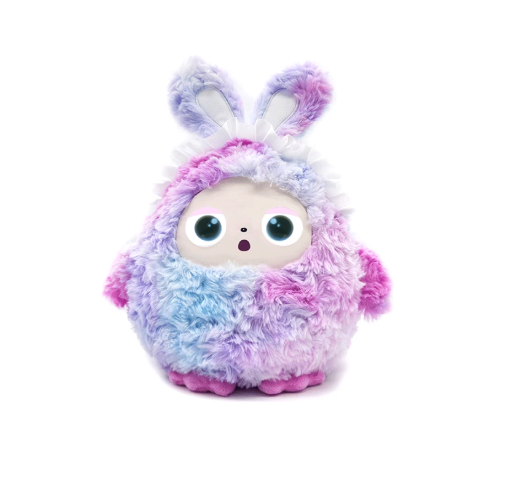
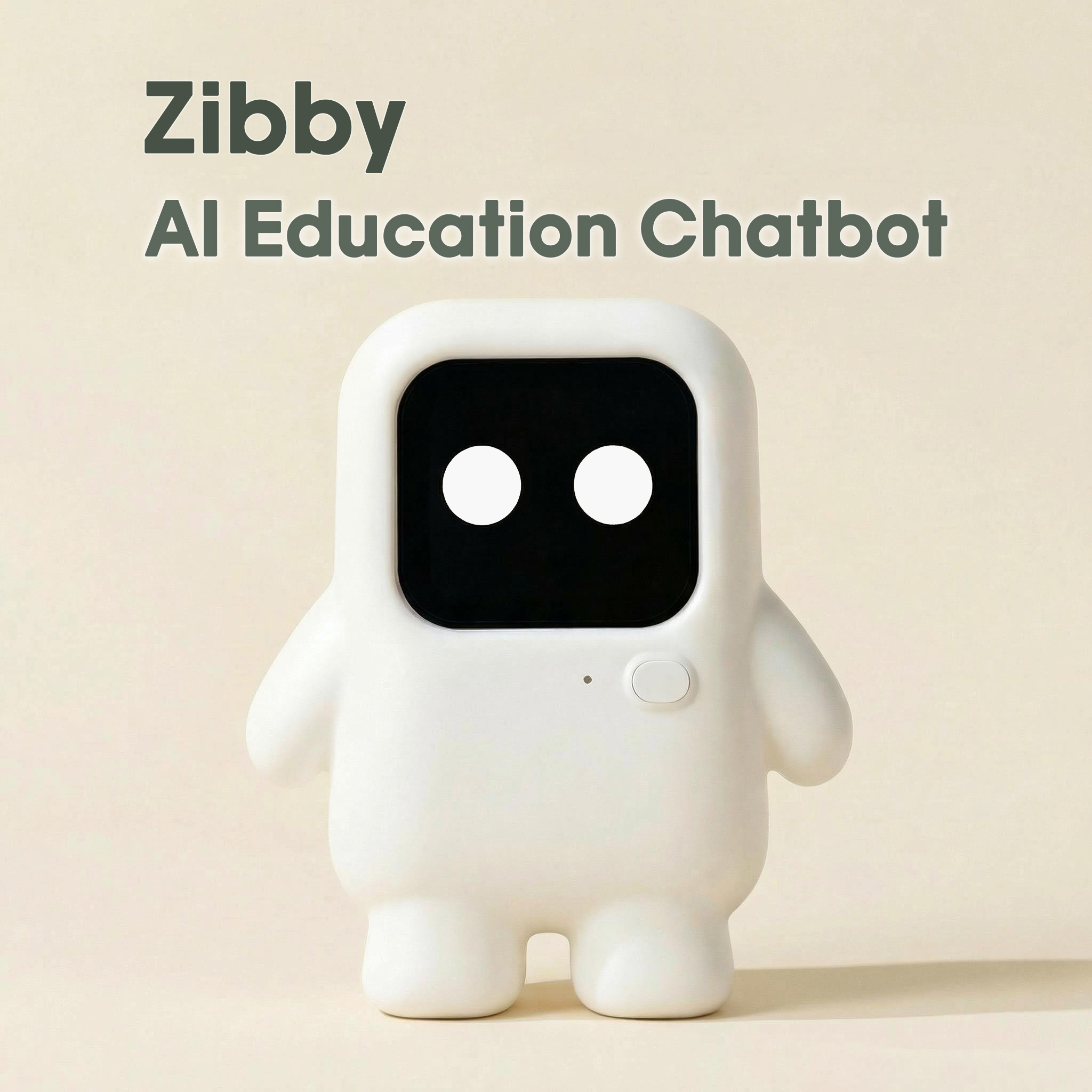
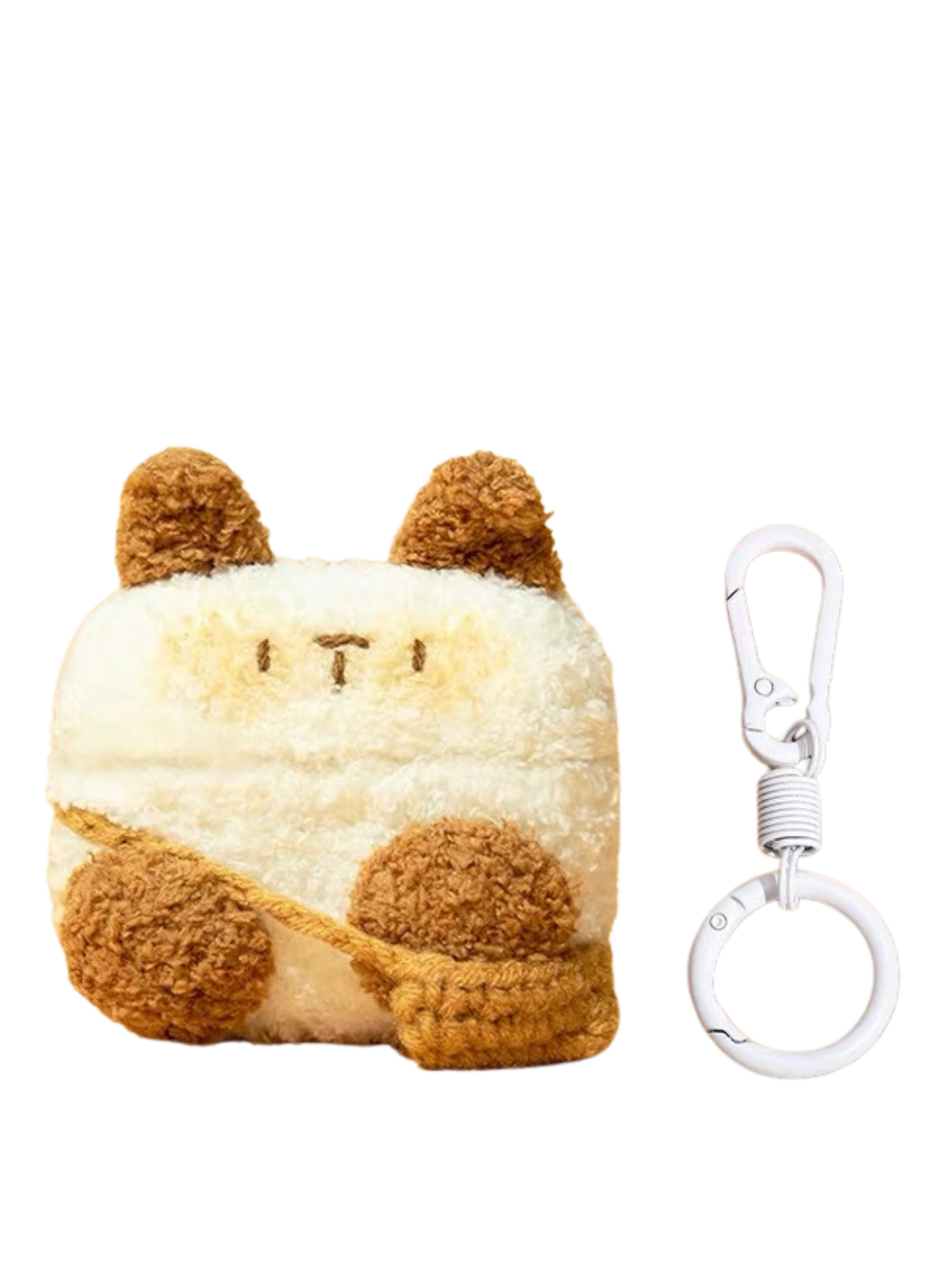
With Osaka Prefecture facing demographic shifts toward super-aging communities, local welfare facilities in Sakai, Higashiosaka, and northern Osaka are actively testing non-threatening conversational companions. Our AI voice plush toys and screen-based robots feature low-latency natural Japanese LLM processing for daily conversational care.
Japanese Import Mandates: PSE, TELEC (MIC), and Quality Standards
Importing smart robot kits and intelligent educational hardware into Osaka is strictly regulated by Japanese domestic legislation. Compliance shortcuts inevitably result in customs detentions at Osaka Port or severe commercial liability under Japanese consumer safety laws. At Shenzhen Mardijai Technology Co., Ltd., we understand that reliability is the bedrock of Japanese commercial partnerships.
1. TELEC / MIC Radio Law (電波法) Certification: Any robot kit equipped with 2.4GHz / 5GHz Wi-Fi, Bluetooth BLE, or 4G LTE cellular modules must possess genuine Technical Regulations Conformity Certification (Giteki / 技適マーク). We collaborate with accredited testing laboratories to ensure RF harmonic suppression, transmission power limitations, and frequency band adherence comply strictly with the Ministry of Internal Affairs and Communications (MIC) regulations.
2. METI Electrical Appliance and Material Safety Law (PSE Mark): Lithium-ion battery packs exceeding energy densities of 400 Wh/L, as well as accompanying AC/DC charging adaptors, must bear authentic Diamond or Circle PSE markings. Our power management sub-circuits incorporate Japanese-grade Seiko or Ricoh protection ICs against overcharging, over-discharging, and thermal runaway.
3. Child Safety & Material Environmental Standards: Our plastic shells are injection-molded using high-impact, non-toxic ABS resin that complies with the Japan Toy Safety Standard (ST Standard Part 3 chemical safety) and international RoHS/REACH directives. All chassis corners feature engineered radius curves to eliminate pinch points and sharp edges during handling.
Bilingual Japanese GUI & Voice ROM
Firmware customized with native Hiragana/Katakana UI layouts, low-pitch Japanese neural TTS voice models, and region-locked safety filters preventing non-compliant web responses.
Rigorous 4-Stage In-Line Quality Control
Every robot kit batch undergoes 100% functional I/O testing, 4-hour active burn-in cycles, acoustic calibration, and drop-impact simulation before export packaging.
Eco-Conscious Packaging for Japan
Packaging compliant with the Japanese Containers and Packaging Recycling Law, featuring clear material sorting identifiers (プラ and 紙 labels) and localized user manuals.
Why Osaka Tech Brands & Academic Supply Houses Partner with Us
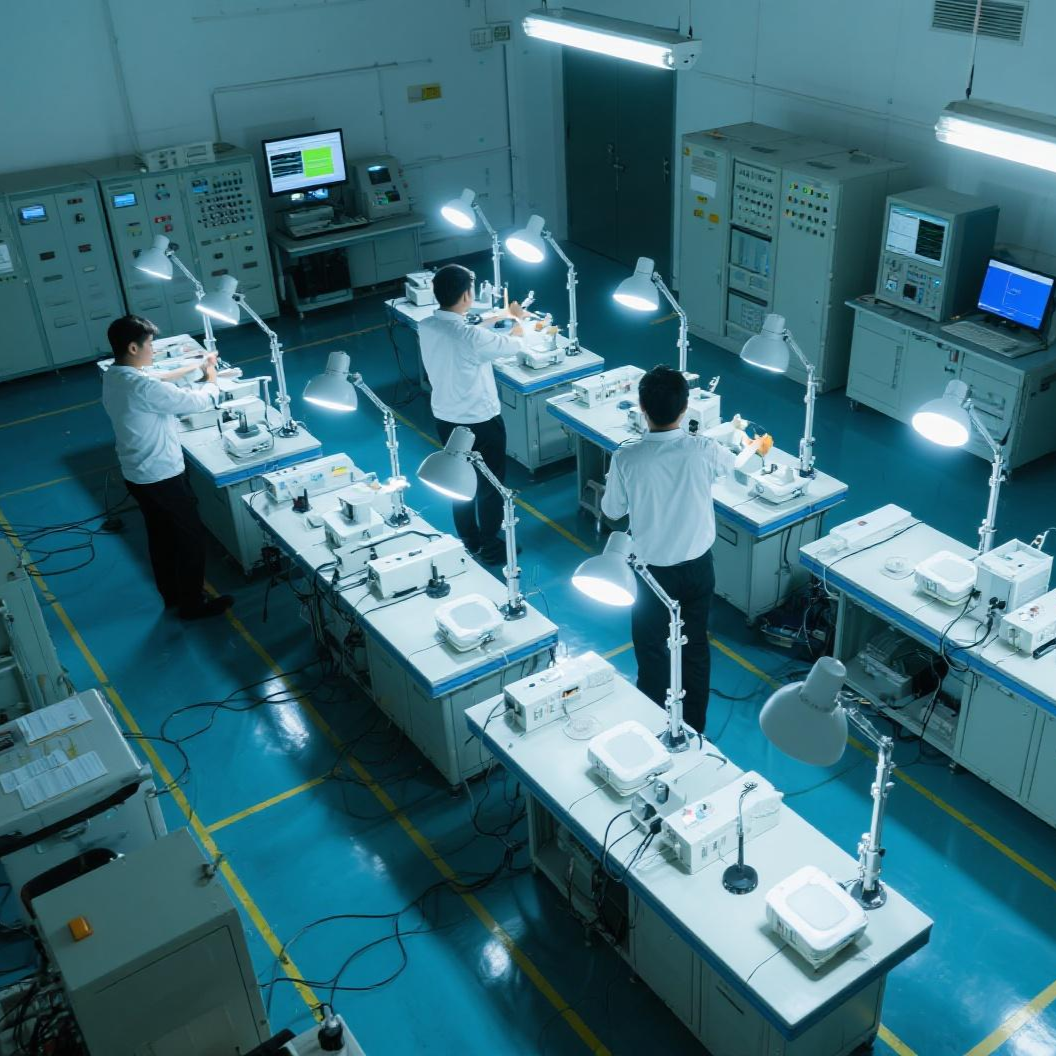
Operating since 2013 from our Shenzhen R&D center and 2,000 m² modern assembly plant, Shenzhen Mardijai Technology Co., Ltd. has served over 50 global consumer electronics markets. Our competitive moat rests upon three pillars essential for Japanese B2B procurement:
- Full-Stack Hardware-Software Engineering: Unlike trading intermediaries, our in-house team of 21–30 mechatronic and software engineers handles PCB circuit design, SMT placement, embedded RTOS / Linux driver tuning, and LLM API cloud integration directly.
- Flexible OEM / ODM MOQs for Pilot Trials: We support Osaka educational retailers and tech startups with realistic pilot-run quantities (starting from 300–500 units for customized branding) before scaling up to full container shipments.
- Transparent Quality Documentation: Every shipment leaves our Shenzhen facility with complete batch inspection sheets, electrical safety test data, and verifiable supply chain bills of materials (BOM).
Osaka Buyer Sourcing & Procurement FAQ
Direct technical and operational answers to common queries raised by Kansai procurement executives, school suppliers, and mechatronic product managers.
How do you handle TELEC (MIC Giteki) certification for smart robot kits exported to Japan?
What is the standard production lead time and freight transit window to Osaka Port or KIX?
Can you customize robot firmware to integrate with Japanese educational cloud platforms and local LLMs?
What are the minimum order quantities (MOQ) for custom private-label branding for Osaka tech distributors?
Do you support DDP (Delivered Duty Paid) trade terms directly to warehouses in Osaka Prefecture?
How is after-sales support, spare parts supply, and RMA replacement handled for overseas buyers?
Connect with our Shenzhen Engineering Team for Osaka Projects
Send your project scope, curriculum target, or mechatronic specification. Our bilingual technical account team will return a formal feasibility evaluation and quotation within 24 business hours.