Engineered FPV Airframes & Specialized Drone Components
Precision-milled composite structures built to withstand the hyper-arid Atacama salt flats, sub-zero Andean elevations, and rigorous international STEM robotics arenas.
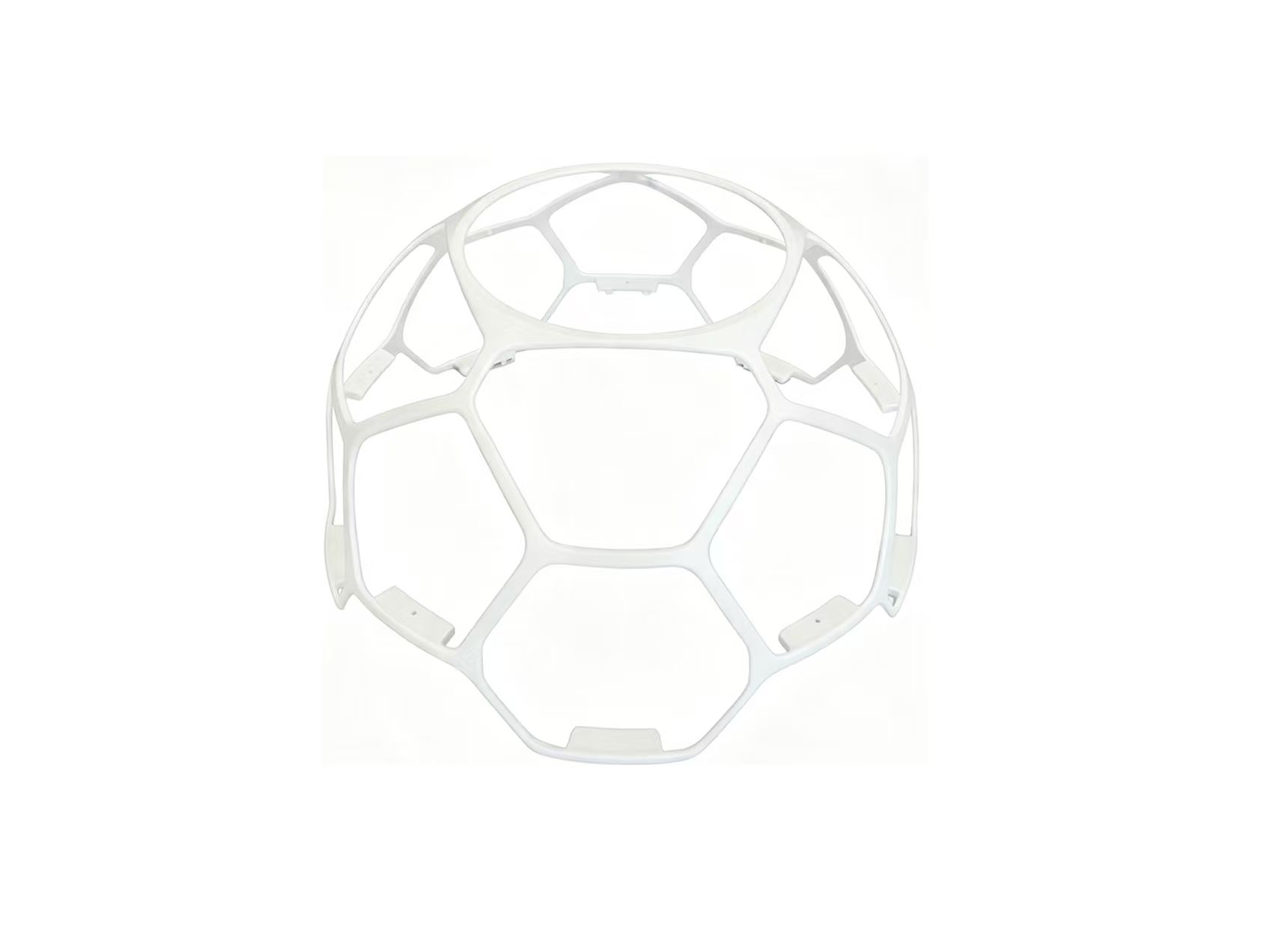
Drone Soccer Frame Suitable Soccer Flying Drones Flying Ball Competitive Drone for RC Racing FPV Quadcopter F1A
Impact-dispersing spherical outer exoskeleton cage paired with an ultra-light carbon core, compliant with FAI F9A-B competitive drone soccer rules in Chilean universities and youth academies.
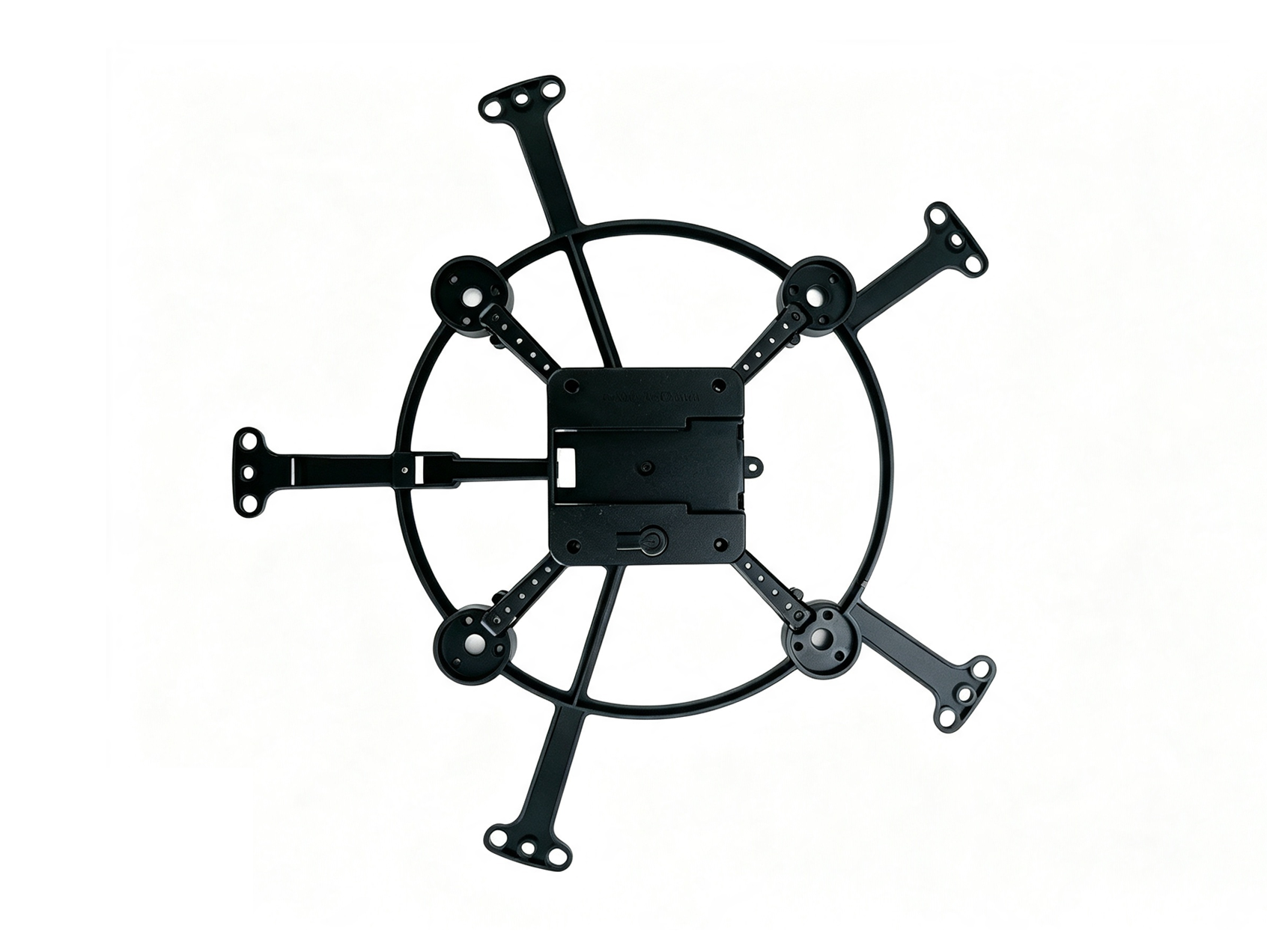
Drone Soccer Frame Base Plate Soccer Flying Drones Flying Ball Competitive Drone for RC Racing FPV Quadcopter F1A
CNC-machined 3K twill matte carbon fiber bottom mounting deck. Engineered with universal 20x20mm and 25.5x25.5mm stack mounts for rapid component swapping during tournament heats.

WIFI AI Talking Super Soft Cotton Mesh Lining Plush Toy Smart Interactive Companion Voice Recognition Learning Educational Doll
Embedded conversational AI platform supporting multi-lingual voice recognition (Castilian Spanish ready), utilized alongside drone education modules for interactive ground station training.
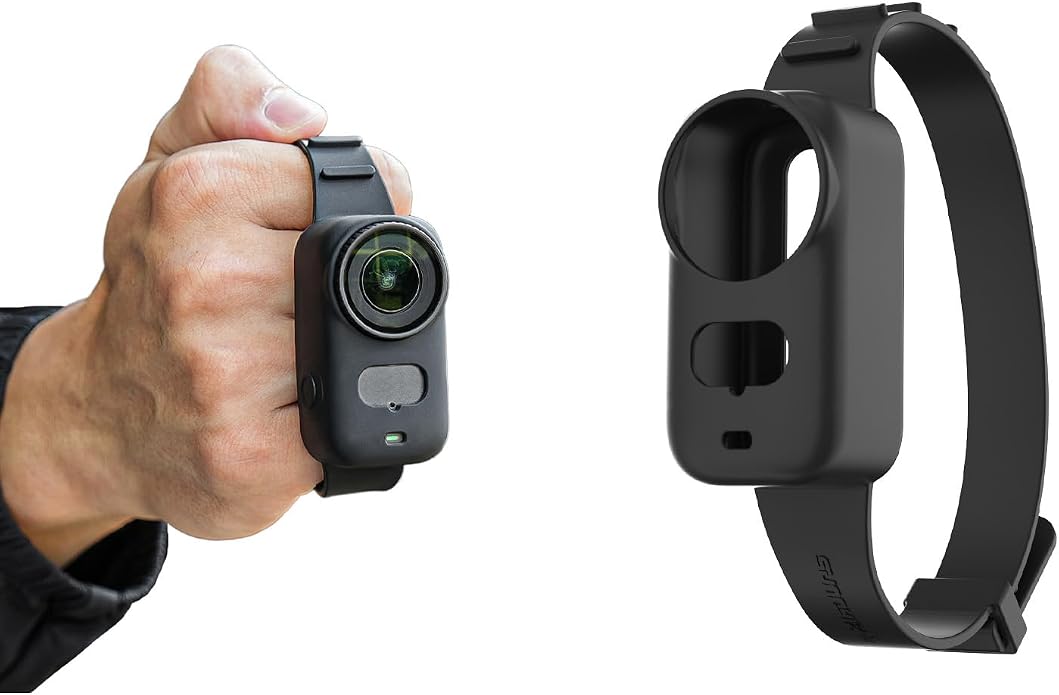
Adjustable Silicone Wrist Strap Sports Camera Nano Video Transmitter Protective Cover for DJI Osmo Nano Sports Action Pet
High-elasticity silicone shock-dampening mount designed for action cameras and micro HD digital video transmitters. Resistant to Atacama UV degradation and salt-crust abrasive dust.

7-Inch High-Altitude Mountain Reconnaissance FPV Frame
Deadcat aerodynamic architecture with 6mm thick Toray T700 carbon fiber arms. Designed specifically to eliminate prop-in-view while maintaining harmonic dampening above 4,000 meters altitude.

10-Inch Heavy-Lift Industrial Inspection Airframe Platform
Reinforced quad platform featuring octagonal carbon arm tubes and 7075-T6 aviation aluminum clamps. Accommodates dual LiDAR payloads and thermal sensors for open-pit copper mine topography.

5-Inch True-X Competitive Racing & Freestyle Airframe
Symmetric True-X layout offering zero roll-pitch axis cross-coupling. Fitted with grade 12.9 titanium hardware and chamfered edges to prevent stress cracking in competitive leagues across Chile.

3.5-Inch Enclosed Ducted Cinewhoop Inspection Frame
Full 360-degree aerodynamic ducted guards built with injection-molded high-tenacity nylon. Developed for subterranean mining gallery navigation, ventilation shaft audits, and close-proximity cinema.
High-Altitude Aeromechanics & Environmental Engineering in Chile
Operating unmanned aerial vehicles (UAVs) in Chile presents some of the most demanding physical challenges found anywhere on earth. Chile's unique geography—spanning over 4,300 kilometers from the world's most arid desert in the north (Atacama) to the sub-polar glacial winds of Magallanes and Tierra del Fuego in the south, bounded by the colossal Andes mountain range—demands airframes engineered beyond standard consumer specifications.
Shenzhen Mardijai Technology Co., Ltd. analyzes these micro-climatic stressors directly at our 2,000 m² R&D center to formulate high-performance FPV quadcopter frames. When designing composite chassis for commercial Chilean operators, two paramount physical factors dictate structural integrity: air density degradation at elevation and extreme thermal cycling.
Aerodynamic Resonance & Carbon Fiber Matrix Selection
Standard commercial quadcopter frames utilize commercial T300 carbon weaves with lower elastic modulus, which buckle or display significant arm flexure under elevated aerodynamic thrust loads in thin air. To solve this, our Chilean-spec airframes utilize genuine Japanese Toray T700 or T800 unidirectional carbon pre-impregnated sheets aligned in a quasi-isotropic [0°/+45°/-45°/90°] layup schedule. This creates unmatched torsional rigidity, shifting the natural harmonic frequency of the arms well outside the 80Hz–250Hz operating range of brushless motors.
Thin-Air Harmonic Attenuation
Thick 5.5mm to 6.5mm chamfered T700 carbon arms resist flexing during high-RPM corrections required above 4,000 meters ASL, preventing gyro filter clipping.
Thermal Shock Proof Resin (Tg > 135°C)
Epoxy matrices engineered to survive daytime surface heat of +45°C in the Atacama down to sub-zero -15°C nocturnal conditions without micro-fracturing or delamination.
Abrasive Particulate Sealing
CNC beveled and resin-sealed carbon perimeter edges prevent lithium and copper fine tailing dust from causing interlayer carbon weave separation over extended missions.
Comparative Specifications: Standard Drone Frames vs. Chilean Industrial Standard
B2B importers and project integrators in Chile must verify that structural hardware complies with stringent mechanical tolerances. Below is the direct physical attribute comparison executed by our Shenzhen quality assurance laboratories.
| Evaluation Parameter | Generic Commercial FPV Frames | MardijAI Industrial-Grade Chilean Standard | Operational Impact in Chile |
|---|---|---|---|
| Carbon Fiber Type | T300 Standard Carbon Weave | Japanese Toray T700 / T800 Quasi-Isotropic | Prevents frame resonance and arm flutter in low atmospheric density. |
| CNC Edge Finish | Raw Square Cut / Unfinished | 100% Machine Chamfered & Sealed (0.5mm 45°) | Prevents delamination during harsh impacts on rocky volcanic soil. |
| Hardware Tensile Grade | Standard Grade 8.8 or Aluminum 6061 | Grade 12.9 Carbon Steel / 7075-T6 Standoffs | Resists shear forces caused by high Andean wind gusts up to 60 km/h. |
| Resin Glass Transition (Tg) | Standard Epoxy (~90°C) | High-Tg Modified Epoxy (> 135°C) | Maintains stiffness during rapid thermal swings across desert regions. |
| Electronic Shielding | Zero Internal Isolation | Integrated Non-Conductive Mylar Barrier | Prevents high-power VTX ground loops and conductive dust short-circuits. |
Strategic Deployments Across Chile's Core Economic Sectors
The demand for custom-manufactured FPV drone frames across Chile is evolving beyond hobbyist racing into deep industrial, educational, and commercial ecosystems. Our OEM/ODM airframe manufacturing directly empowers distributors catering to these diverse verticals.
Mining & Tailings Monitoring
Antofagasta, Calama, and Atacama. Heavy-lift 10-inch quads carry multi-spectral payloads across leaching piles, tailings dams, and pit walls where large GPS-dependent drones suffer satellite loss.
Precision Viticulture & Forestry
Central Valley (Maipo, Colchagua, Maule) and southern forestry belts (Biobío, Araucanía). Agile 7-inch frames cruise steep hillside vineyards for rapid NDVI vegetation index generation.
STEM Robotics & FAI Drone Soccer
Santiago Metropolitan Region, Valparaíso, and Concepción. Chilean academic institutions are rapidly adopting our F1A Drone Soccer frames for youth STEM engineering and FAI tournament programs.
Patagonian Cinematic Expedition
Torres del Paine and Lake District commercial cinematography. Custom ducted 3.5-inch Cinewhoops and 5-inch freestyle airframes provide dynamic close-proximity footage in extreme glacial katabatic winds.
Maritime Port Infrastructure Inspection
Valparaíso, San Antonio, and Iquique ports. Salt-spray resistant carbon chassis and silicone transmitter enclosures inspect crane structures and deep-water commercial shipping hulls.
Navigating Chilean Drone Regulations (DGAC DAN 91 & DAN 151)
The Dirección General de Aeronáutica Civil (DGAC) in Chile maintains strict guidelines regarding unmanned aerial operations. For Chilean corporate purchasers, selecting airframes that satisfy DGAC engineering and structural parameters is fundamental to passing operational authorization audits.
Under Chilean norm DAN 151 (Operations of Remotely Piloted Aircraft in Populated Areas) and DAN 91 (General Flight Rules), drones flown for commercial operations must pass structural airworthiness evaluations. Key frame-level compliance attributes provided by our Shenzhen factory include:
- Structural Redundancy & Mechanical Calculations: We supply verified tensile test data and FEA (Finite Element Analysis) stress reports for our 7-inch, 10-inch, and Drone Soccer frames, confirming maximum shear resistance during emergency maneuvers.
- Weight Optimization for Strict Sub-Category Thresholds: Chilean law strictly regulates drones based on gross takeoff weight (AUW). Our T800 ultra-lightweight race and inspection frames allow operators to integrate high-capacity 6S LiPo batteries and cinematic payloads while staying strictly inside targeted weight bands.
- Impact Absorption Cages for Populated Zones: The F1A Drone Soccer spherical protective frame acts as an ideal physical barrier for flight academies and indoor corporate events, eliminating propeller contact hazards in compliance with Chilean occupational safety protocols.
Shenzhen Mardijai Technology: Direct OEM/ODM Manufacturing Advantages
Operating from the Feiyang Building in Shenzhen's Bao'an District—the undisputed global ground zero of advanced UAV hardware and high-precision consumer electronics—Shenzhen Mardijai Technology Co., Ltd. (established in 2013) offers full end-to-end composite airframe manufacturing for Chilean partners.
In-House 5-Axis CNC Milling
Automated cutting lines with diamond-coated router bits operating at ±0.05mm precision ensure zero micro-splintering and laser-accurate motor hole centers.
11-20 Full-Time QC Inspectors
Every carbon batch is verified for warp tolerance, ultrasonic delamination checks, and hardware thread torque testing before boxing for export.
Shenzhen-to-Chile Direct Logistics
FOB / CIF through Shenzhen Yantian Port or expedited air freight to Arturo Merino Benítez Airport (SCL) with complete DDP / DAP door-to-door options.
Chile B2B Procurement & Customs Importation FAQ
Direct answers for Chilean logistics directors, commercial distributors, and robotics program procurement managers.