1. Architectural Overview: Why SIM-Enabled 4G Architecture Outperforms Legacy Wi-Fi in Belgium
The Kingdom of Belgium presents a uniquely demanding environment for intelligent educational devices. While home broadband penetration via coaxial and VDSL networks is historically robust across regions like Antwerp, Ghent, and Liège, traditional Wi-Fi-only educational robotics suffer from acute functional friction. Educational toys relying exclusively on 2.4GHz IEEE 802.11b/g/n protocols encounter severe parental friction during initial captive-portal setups, WPA3-Enterprise incompatibility in academic campuses, and total conversational failure during multimodal transit (such as family rail travel or outdoor educational excursions).
By embedding native Cat-1/Cat-4 4G LTE cellular modems supporting European standard E-UTRA frequency bands (specifically Band 20 (800 MHz), Band 3 (1800 MHz), and Band 7 (2600 MHz)), our educational robot architecture ensures continuous handshake connectivity across leading Belgian mobile networks, including Proximus, Orange Belgium, and Base (Telenet). Autonomous SIM switching and cellular roaming enable uninterrupted large language model inference, low-latency streaming of localized educational APIs, and reliable GPS/LBS real-time location telemetry for enhanced child safety.
2. Regional Linguistic Triad: Flemish Dutch, Wallonian French, and German Multimodal LLM Execution
Procurement specialists in Belgium understand that localization is not merely translating a single graphical user interface. Belgium’s institutional structure demands fluent simultaneous execution across official linguistic boundaries: Dutch (Flemish dialects in Flanders), French (Wallonia and Brussels-Capital), and German (East Cantons). Legacy robotics running static pre-recorded voice prompts fail commercial viability because they cannot distinguish Flemish phonetics from Standard Netherlands Dutch, leading to low retention and high retail return rates.
Shenzhen Mardijai Technology Co., Ltd. solves this structural hurdle through multi-model dynamic LLM routing. Our platform orchestrates frontier inference engines—including DeepSeek-V3, Doubao, and fine-tuned Qwen architectures—paired with hyper-localized neural text-to-speech (TTS) and automatic speech recognition (ASR) pipelines. When a child interacts in Ghent or Hasselt, the robot automatically selects ASR nodes calibrated for Flemish phonetic inflections, while seamless routing switches to Parisian/Belgian French phonology in Namur or Charleroi. This dynamic language arbitration preserves pedagogical value, conversational naturalness, and safety filtering across all Belgian cultural demographics.
B20/B3/B7
Fully Calibrated for Proximus, Orange & Telenet Networks
< 650ms
Voice-to-Response Inference Latency across Benelux Cloud Nodes
100%
European CE, RoHS & WEEE Hardware Compliance
GDPR
Zero-Storage Local Vectorization & Encrypted Transit
3. Belgium's Dual Educational Framework: STEM & Digisprong Integration
Under the Flemish government's Digisprong (Digital Leap) policy framework, primary and secondary schools have received substantial capital injections to upgrade digital learning assets. Concurrently, in the Wallonia-Brussels Federation, curricula increasingly mandate foundational digital competencies and algorithmic thinking. However, school administrators frequently reject conventional consumer tablets due to screen distraction, uncontrolled web browsing risks, and digital fatigue.
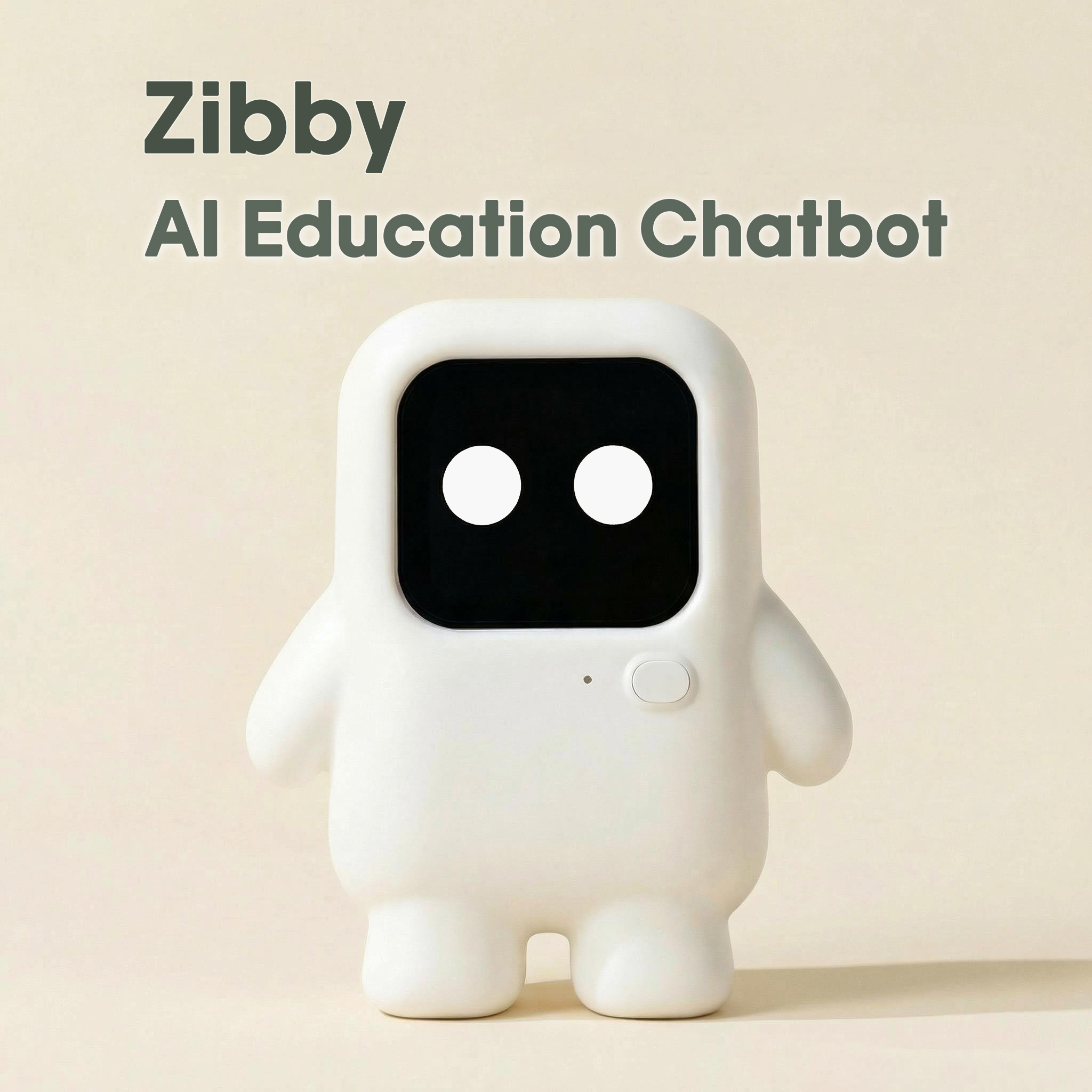
Our 4G educational robots fill this gap by acting as physical, embodied computing nodes. The integrated hardware combines tactile robotics, voice-first computational prompts, and controlled touch screens that run closed-loop pedagogical programs. Children engage with core STEM subjects—ranging from physical geometry and spatial logic to algorithmic programming and conversational linguistics—without exposure to addictive social media ecosystems or ad-tracking algorithms. For Belgian schools and after-school STEM academies, this embodied robotic pedagogical presence creates significantly higher classroom engagement and measurable cognitive retention.
4. Regulatory Precision: Navigating EU-GDPR, the EU AI Act, and CE Product Safety
Exporting intelligent hardware into the European Union, specifically through the logistical hub of the Port of Antwerp-Bruges or Liège Airport, requires uncompromising regulatory documentation. The regulatory threshold in Belgium is governed strictly by the Belgian Data Protection Authority (Autorité de protection des données - APD / Gegevensbeschermingsautoriteit - GBA) under Regulation (EU) 2016/679 (GDPR), alongside the incoming compliance mandates of the European Union Artificial Intelligence Act (EU AI Act) regarding high-risk pedagogical systems.
Shenzhen Mardijai Technology Co., Ltd. incorporates privacy-by-design into every tier of our manufacturing lifecycle:
- Zero-Persistent Voice Storage: Audio streams captured via dual far-field microphonic arrays are converted into transient acoustic tokens on-device, encrypted via TLS 1.3, transmitted exclusively for inference, and discarded instantly without profiling or cloud audio persistence.
- Parental Supervisory Gateway: A companion mobile application allows Belgian guardians to review interaction topics, configure active hours, enforce content barriers, and physically disable 4G cellular transmission at will.
- Material Integrity: Every casing is molded using high-impact, non-toxic, flame-retardant ABS polymers certified under EN 71-1, 71-2, 71-3 toy safety parameters, containing zero phthalates, lead, or halogenated compounds in strict compliance with Directive 2011/65/EU (RoHS) and REACH regulations.