Precision-Engineered Racing Frames & Aerodynamic Assemblies
From standard 5-inch competitive racing airframes to ultra-resilient Drone Soccer spherical protective matrices, our Shenzhen manufacturing facility produces fully certified composite frames compliant with European CE standard EN 71/EN 62115 and Eurasian EAC requirements.
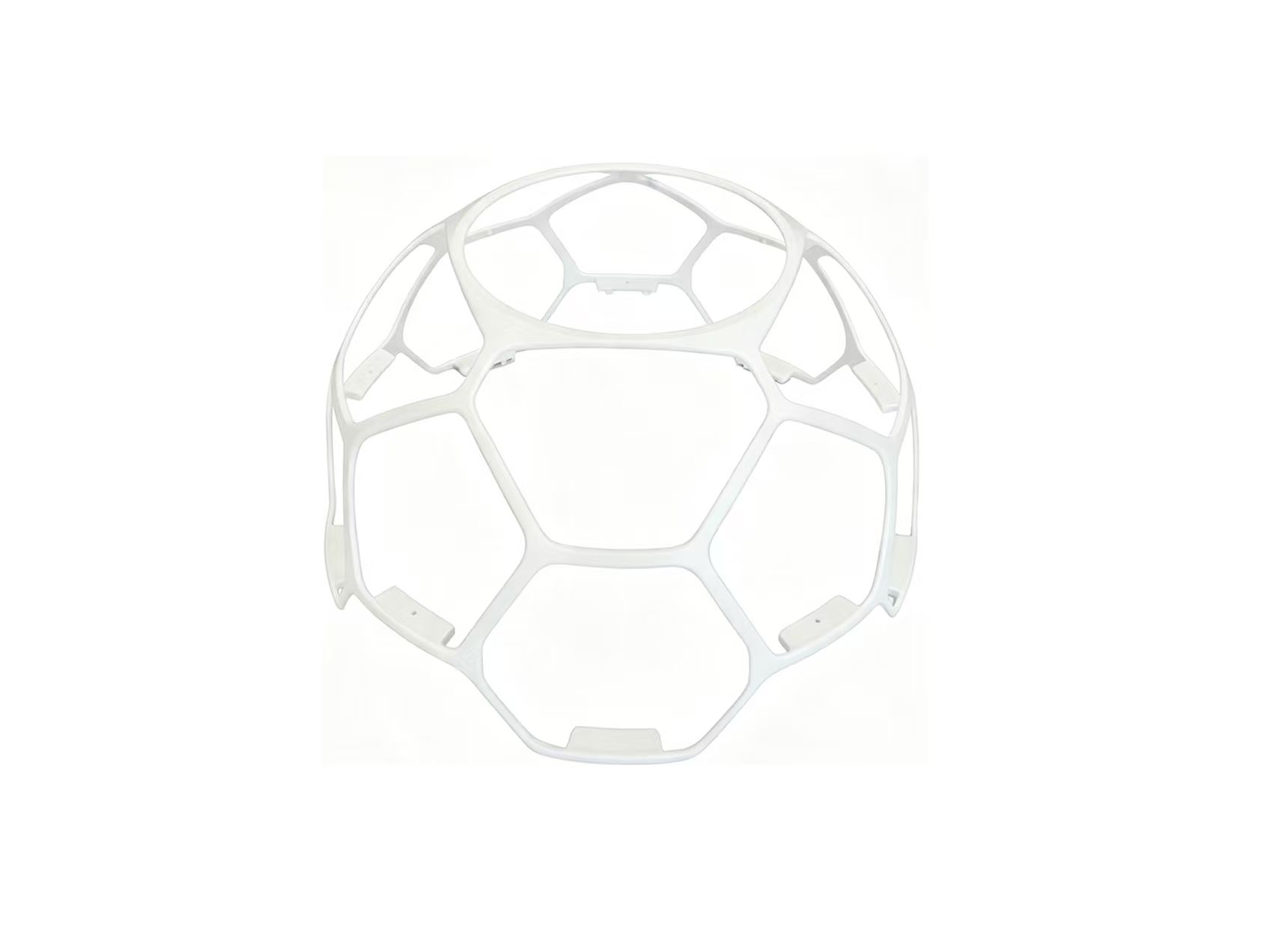
Drone Soccer Frame Suitable Soccer Flying Drones Flying Ball Competitive Drone for RC Racing FPV Quadcopter F1A
Ultra-durable, high-elasticity spherical cage engineered to absorb multi-directional impact in indoor arenas and competitive youth drone league events.
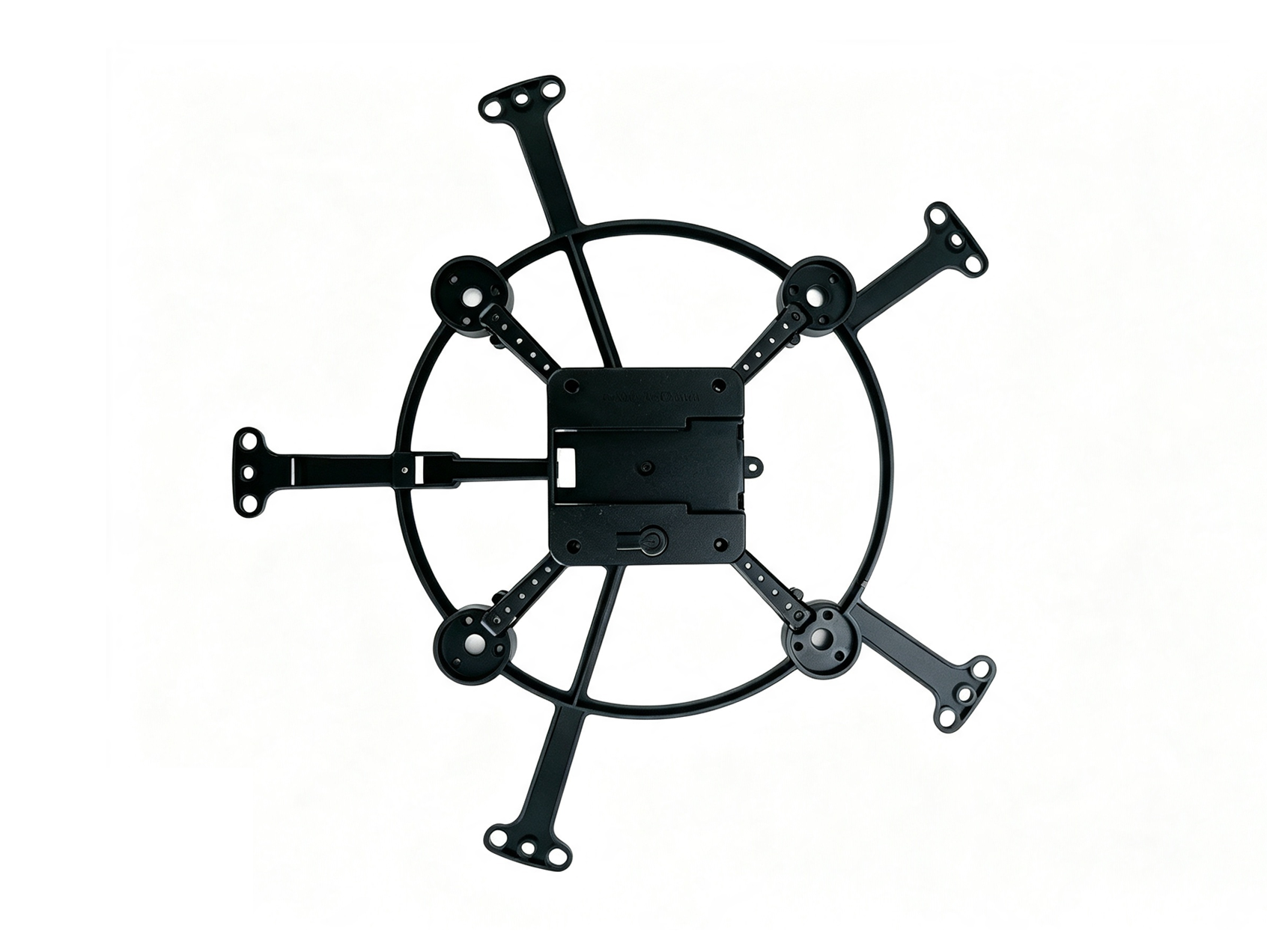
Drone Soccer Frame Base Plate Soccer Flying Drones Flying Ball Competitive Drone for RC Racing FPV Quadcopter F1A
Precision CNC-milled 3mm Toray carbon composite central base plate with reinforced mounting holes, optimized for rapid motor vibration dissipation.
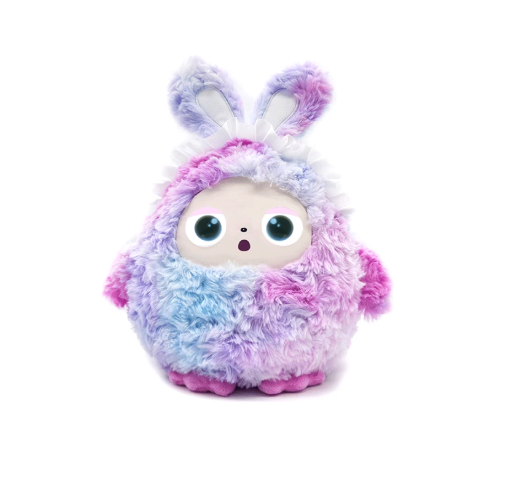
WIFI AI Talking Super Soft Cotton Mesh Lining Plush Toy Smart Interactive Companion Voice Recognition Learning Educational Doll
Integrated embedded robotics platform with multi-LLM cloud connectivity, conversational voice processing, and soft outer housing for youth STEM integration.
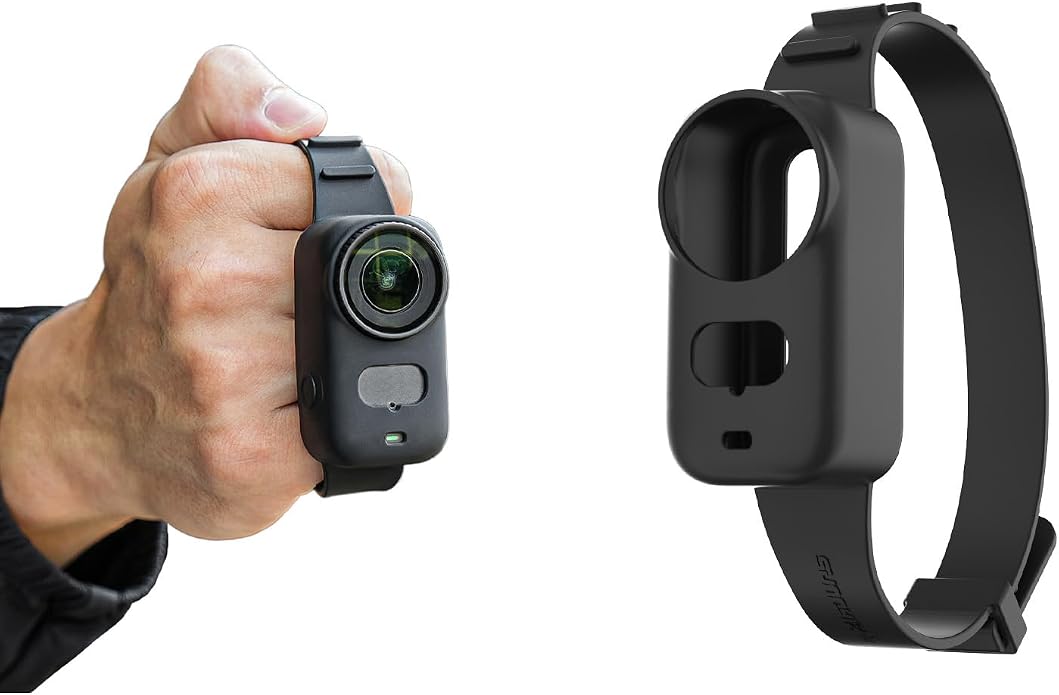
Adjustable Silicone Wrist Strap Sports Camera Nano Video Transmitter Protective Cover for DJI Osmo Nano Sports Action Pet
High-grade shock-absorbing silicone dampening mount compatible with lightweight high-definition action cameras and micro video transmitter setups on FPV frames.

Pro 5-Inch Competitive FPV Carbon Racing Frame (True-X Configuration)
Chamfered 5.5mm 3K twill matte carbon fiber arms with reinforced 7075-T6 aviation aluminum hardware, engineered specifically for high-G racing maneuvers.
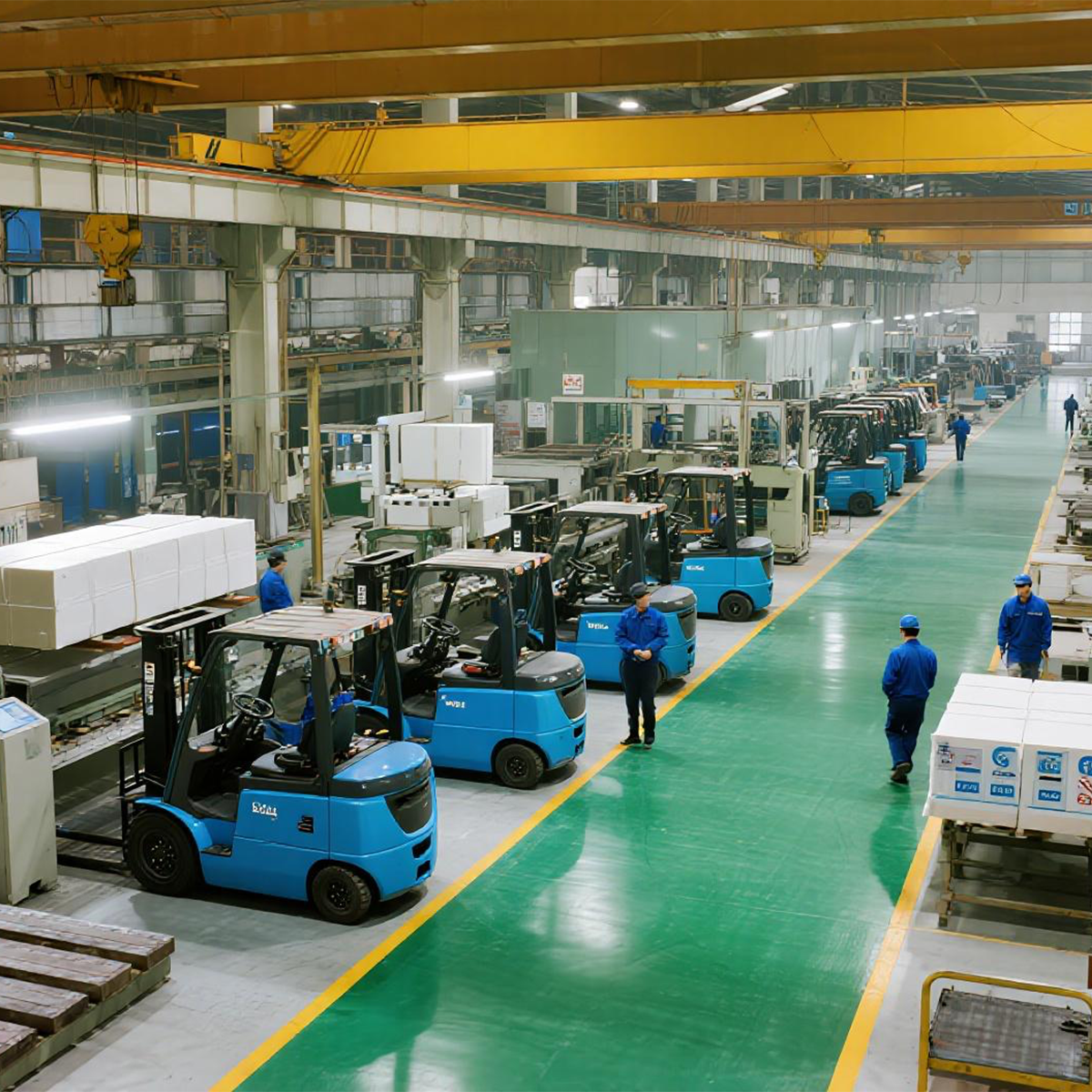
Industrial Long-Range 7-Inch & 10-Inch Low-Temperature Carbon Fiber Frame
Engineered with high glass-transition temperature (Tg) modified epoxy resin that resists brittle fractures down to -40°C in Siberian and Urals operational flights.
Enclosed Ducted FPV Cinewhoop & Educational Training Airframe
Integrated 360-degree aerodynamic ducted guards fabricated from toughened polypropylene (PP), preventing blade strikes during educational laboratory training.

Custom ODM/OEM CNC Milled Carbon Fiber Structural Plates & Arm Replacement Kits
Bespoke carbon plate cutting up to 10mm thickness, custom edge beveling, countersunk screw holes, and localized silk-screen branding for Russian distributors.
1. Executive Industry Overview: FPV Drone Frame Dynamics Across Russia
The demand for high-reliability CE certified FPV racing drone frame factories and suppliers serving the Russian Federation has evolved exponentially over the past five years. Driven by the swift institutionalization of drone sports—such as the All-Russian Drone Racing Federation competitions, Drone Soccer (F9A regulations under the World Cup Sports Association), and regional STEM initiatives supported by technological lyceums and "Quantorium" technoparks—unmanned aerial vehicle (UAV) airframes are no longer treated as standard hobbyist components. They are now evaluated as critical structural hardware subject to stringent material tolerances, mechanical fatigue limits, and strict thermal resilience standards.
Russian B2B procurement directors, engineering distributors, and commercial racing organizers demand composite platforms that resolve a unique metallurgical and polymer challenge: retaining structural flexibility and sheer tensile strength in environments with extreme ambient temperature differentials. While standard commercial carbon fiber frames perform adequately in temperate European climates, winter racing and operational flights in regions such as Moscow, Yekaterinburg, Novosibirsk, and Krasnoyarsk regularly expose frames to sub-zero environments ranging between -15°C and -40°C. Under these severe conditions, standard epoxy laminates undergo micro-delamination, brittle glass transition crystallization, and severe inter-laminar sheer failure upon high-speed gate collisions.
2. Composite Material Engineering: Low-Temperature 3K Toray Carbon & Polymer Cages
Our Shenzhen facility addresses the structural limitations of standard hobbyist frames by sourcing genuine Toray T700 and T800 high-modulus continuous carbon fiber prepregs, manufactured through high-pressure vacuum autoclave curing and hot-press mold processes. The structural performance of an FPV racing frame or drone soccer sphere is governed by three fundamental engineering variables:
Quasi-Isotropic Carbon Fiber Layups
Rather than relying on generic bidirectional 0°/90° weaves that create structural cleavage planes along the motor arm axes, our frames utilize symmetrical multi-axial 0°/±45°/90° quasi-isotropic stacking sequences. This configuration provides uniform resistance to high torsional stress caused by sudden yaw reversal and 6S LiPo power bursts.
Modified Low-Tg Epoxy Systems
To counter the harsh continental winters of Russia, our R&D engineering laboratory integrates toughened rubber-modified epoxy resin blends with elevated impact peel strength. This prevents the composite matrix from micro-cracking when operating in -30°C to -40°C environments, preserving structural integrity during high-speed gate impacts.
High-Elasticity Polycarbonate Spheres
Our Drone Soccer frames (F1A and standard size) feature outer cages molded from modified optical-grade polycarbonate blended with elastomer additives. The pentagonal and hexagonal mesh layout distributes impact kinetic energy evenly across the entire perimeter, shielding internal electronics from repetitive 50 km/h mid-air collisions.
3. Localized Application Scenarios Across the Russian Federation
Understanding the practical application matrix within the Russian market allows our engineering team to provide specialized airframe modifications, component mounting geometries, and hardware surface finishes tailored to distinct local sectors:
National Drone Racing Leagues & Winter Arenas
In national competitions organized across Moscow and Saint Petersburg, elite racers demand True-X and Deadcat frames offering ultra-low center-of-gravity (CoG) battery mount positions. By utilizing countersunk grade 12.9 high-tensile steel fasteners or ultralight 7075-T6 anodized aluminum standoffs, our frames deliver maximum mechanical stiffness, reducing gyro filter delays and ESC harmonic vibration interference.
STEM Lyceums & "Quantorium" Tech Centers
Russia's aggressive national drive toward engineering literacy has led to extensive UAV educational curricula. Educational institutions favor our F1A Drone Soccer frameworks and ducted Cinewhoop designs because the enclosed propeller arrays guarantee complete classroom safety, comply with child product CE EN 71 directives, and withstand thousands of crashes during novice flight training.
Extreme Climate Commercial Survey & Cinematography
Commercial cinematographers and industrial inspection pilots in the Siberian federal districts deploy our heavy-payload 7-inch to 10-inch frames equipped with quick-swap silicone vibration isolators. These platforms maintain high aerodynamic stability in heavy mountain crosswinds and freezing conditions while carrying dual battery packs, HD digital video transmitters, and thermal camera payloads.
4. Comprehensive Technical Specification Matrix
Below is a side-by-side engineering comparison of our core CE-certified airframe platforms configured for Russian institutional and commercial buyers:
| Airframe Model / Platform | Material Composition | Wheelbase (Diagonal) | Arm Thickness | Operational Temp | CE & Safety Compliance |
|---|---|---|---|---|---|
| F1A Competitive Drone Soccer | Toray 3K Base + High-Impact Polycarbonate Sphere | 200mm (Sphere Diam: 200mm) | 3.0mm Pure Carbon Base | -25°C to +55°C | CE EN 71, RoHS, REACH |
| AeroPro 5" True-X Racing | Toray T700 High-Modulus Carbon Fiber | 225mm | 5.5mm Chamfered Arms | -40°C to +85°C | CE 2006/42/EC, RoHS |
| Sub-Zero Long Range 7" | 3K Multiaxial Woven Low-Tg Epoxy Composite | 315mm | 6.0mm Reinforced Arms | -40°C to +80°C | CE Machinery, RoHS |
| Ducted 3.5" Cinewhoop Training | Carbon Top/Bottom Plate + Injection Molded PP Ducts | 152mm | 3.5mm Integrated Base | -20°C to +50°C | CE EN 62115, RoHS |
5. Localized Market Trends & Regulatory Synergy (CE & EAC)
Procurement of drone components by Russian enterprises is characterized by a strategic shift toward verified direct-from-factory partnerships in Shenzhen. In an evolving geopolitical and supply-chain landscape, relying on fragmented retail brokers creates logistical volatility, inconsistent carbon fiber grades, and customs delays. Key operational trends observed among leading Russian drone suppliers include:
- Dual Verification under CE and EAC Standards: While domestic Russian sales often reference Technical Regulations of the Customs Union (TR CU 020/2011 on Electromagnetic Compatibility and TR CU 004/2011 for low-voltage systems), certified test documentation under EU CE Directives (such as 2006/42/EC for mechanical safety and RoHS 2011/65/EU material toxicity) provides Russian buyers with verified proof of structural safety, non-toxic epoxy resins, and flame retardancy.
- Cross-Border Clearance via Inland Ports: Modern supply chains bypass traditional maritime choke points. Our direct export arrangements routinely move via Shenzhen overland rail through Manzhouli/Zabaikalsk and Alashankou/Dostyk, delivering consignments directly to logistics hubs in Moscow, Nizhny Novgorod, and Saint Petersburg within 14 to 20 days under DAP or DDP terms.
- Bilateral Direct Currency Settlement: Simplified trade settlements utilizing direct Chinese Yuan (CNY) clearing mechanisms ensure predictable pricing stability, immunizing Russian wholesale importers against foreign currency exchange volatility.
6. Shenzhen Manufacturing Strength & Technical Capabilities
Operating since 2013 from our high-precision manufacturing and R&D center in Shenzhen, Shenzhen Mardijai Technology Co., Ltd. integrates advanced carbon composite fabrication, high-speed multi-axis CNC milling, and dedicated robotics engineering under one unified quality management infrastructure.
Advanced CNC Milling Facilities
Over 30 industrial high-speed CNC milling machines operating with wet-cutting dust control, delivering tight ±0.05mm dimensional tolerances, smooth chamfered edges, and zero fiber fraying on every production batch.
Dedicated QC Inspection Team
A specialized quality department of 11–20 certified quality inspectors monitors raw resin Tg values, carbon weave tensile strength, delamination resistance, and screw hole thread integrity prior to packaging.

R&D Engineering & Testing Lab
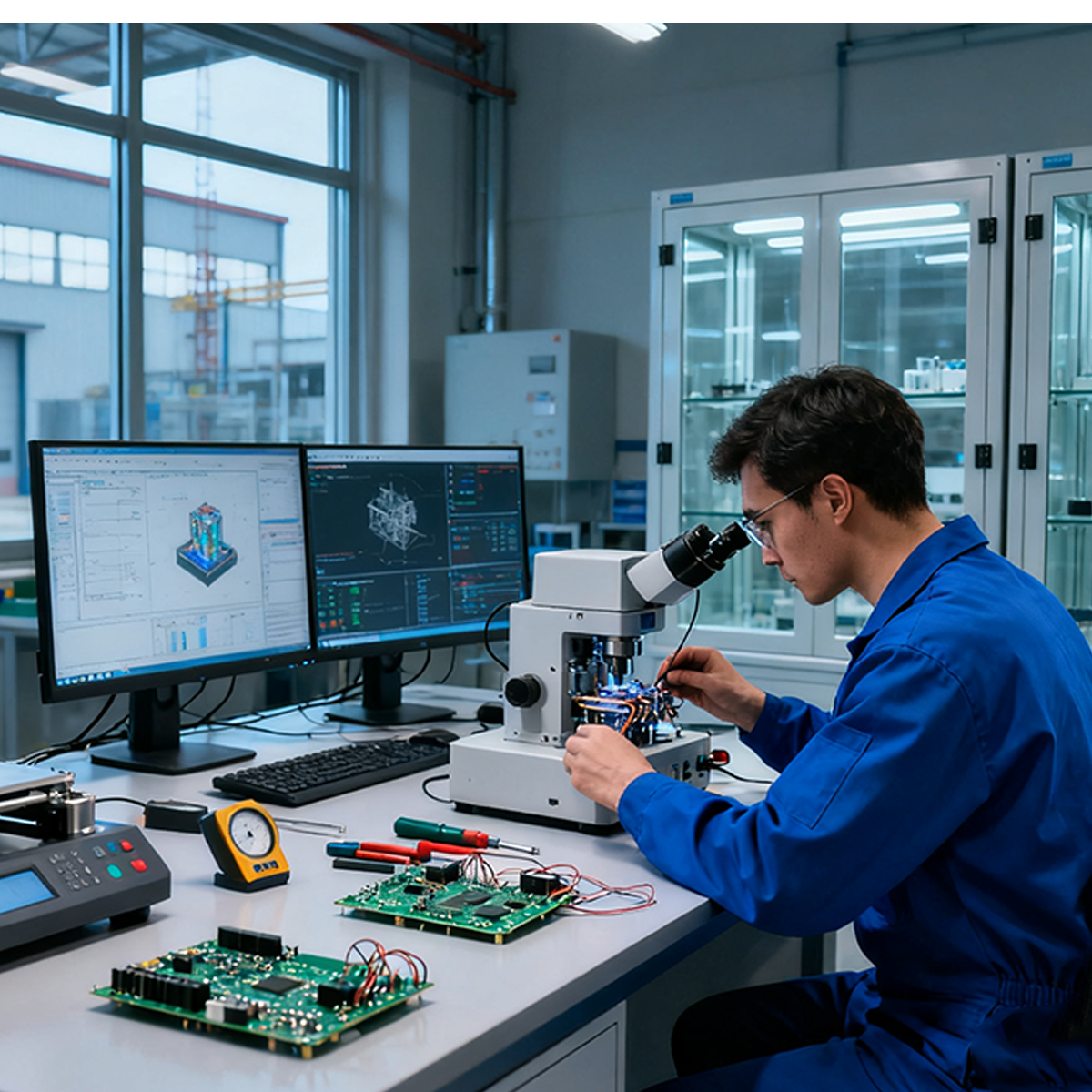
Our in-house R&D division of 21–30 engineers utilizes dynamic vibration test benches, three-point bending stress rigs, and environmental climate chambers to rigorously simulate -40°C Siberian operation.

Full OEM/ODM Customization
We provide comprehensive private-label options for Russian brands: customized arm thicknesses, titanium/gold anodized hardware, localized Russian-language packaging, and custom laser-etched insignia.
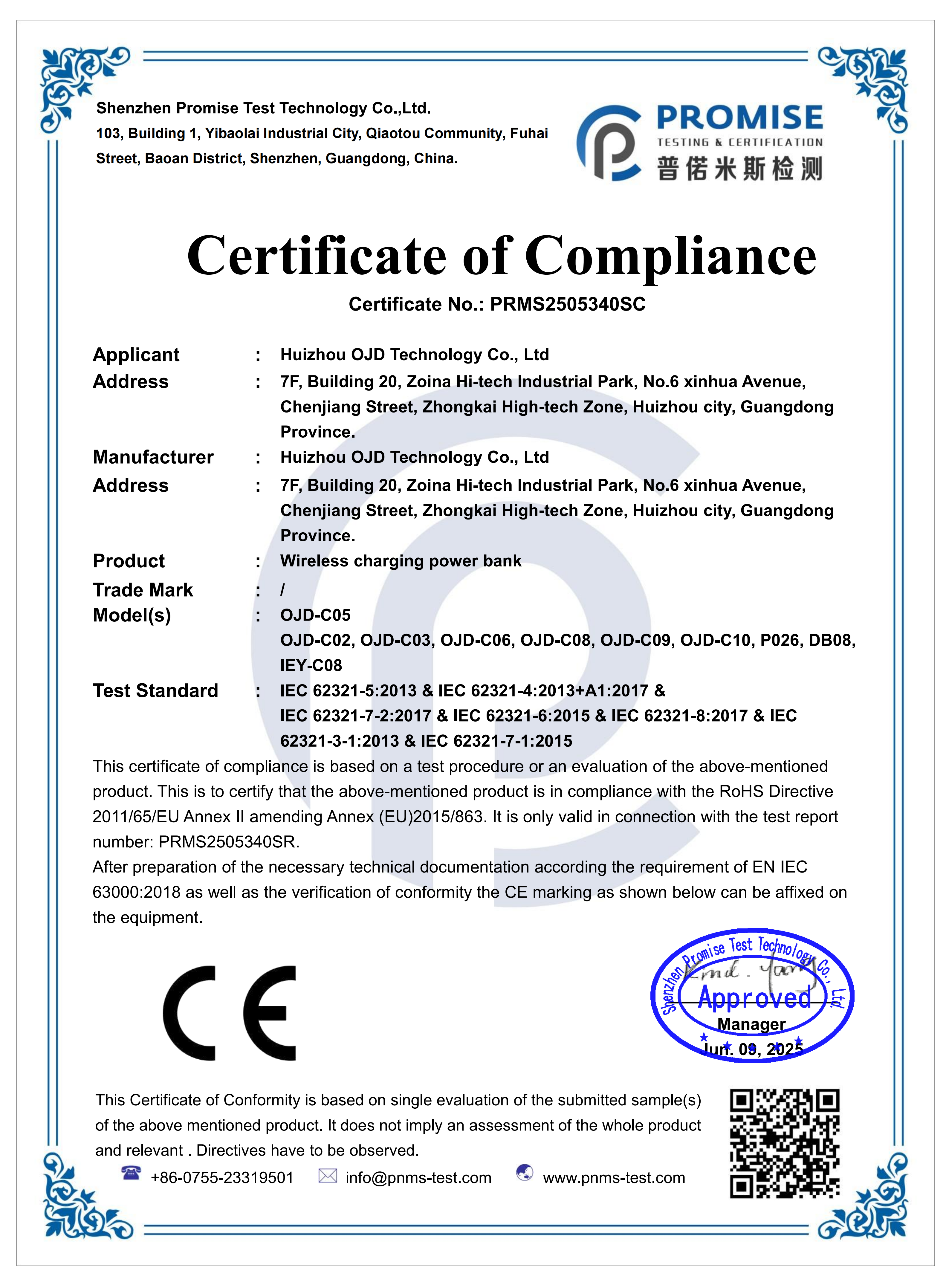
Certified European Compliance
Our products carry certified international compliance documentation (CE, RoHS, FCC test support) guaranteeing safe plasticizers, heavy-metal-free raw materials, and verified structural robustness.
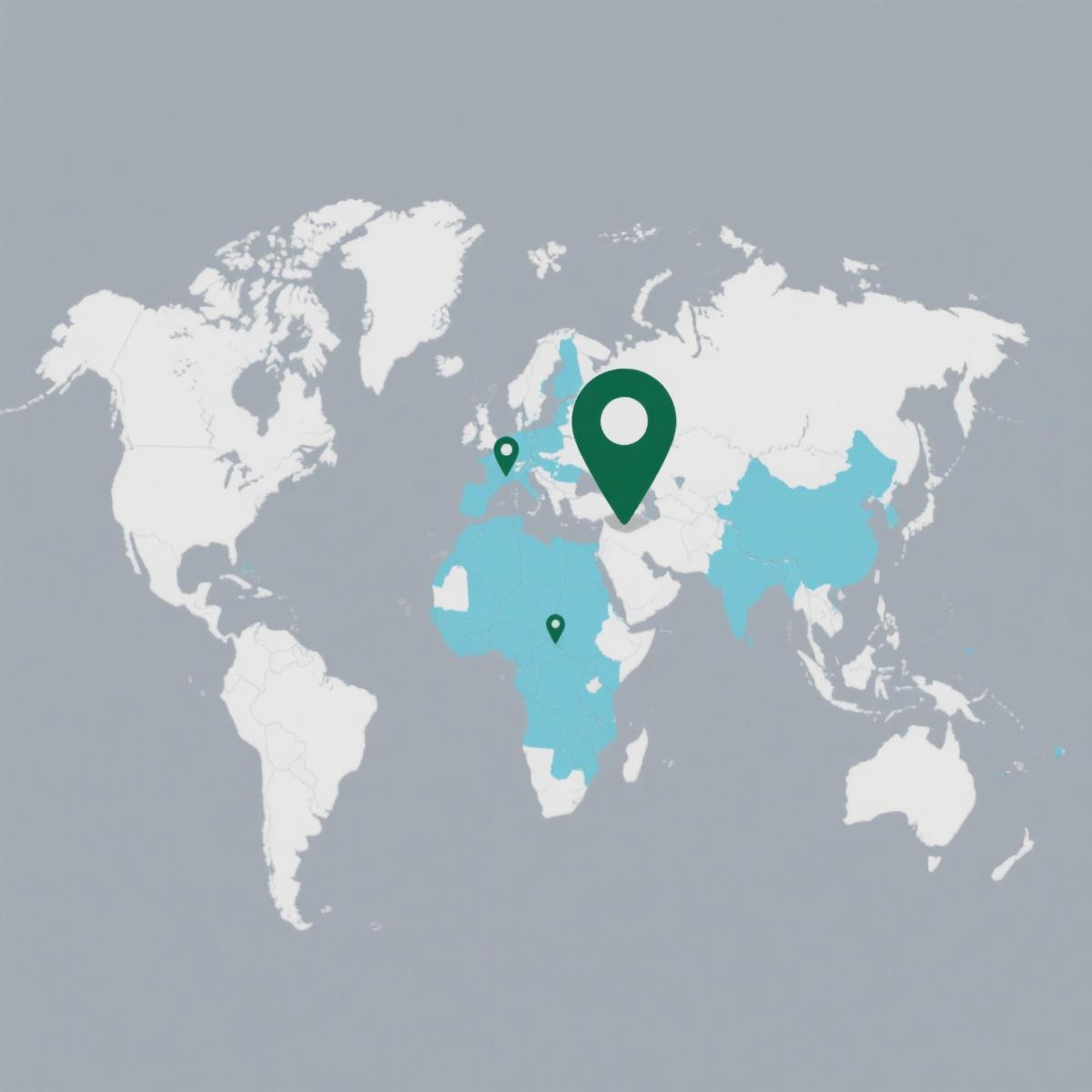
Reliable Global & Eurasian Logistics
Decade-long export experience across 50+ countries. Seamless inland customs clearance, palletized export wrapping, and complete commercial invoicing aligned with Russian customs import declarations.
7. Russian Buyer Procurement FAQ
Below are technical and operational answers to the most frequent inquiries submitted by Russian UAV assemblers, regional retail distributors, and racing league organizers: