AI Companion for Kids Learning: Factory & Exporter Guide for Japan
Comprehensive engineering insights, MEXT pedagogical alignment, TELEC/PSE safety compliance, and direct factory sourcing protocols from Shenzhen Mardijai Technology Co., Ltd.
Precision Hardware Portfolio
Curated Smart Hardware & AI Educational Solutions
Engineered to conform with Japanese child safety regulations, low-latency edge computing requirements, and interactive STEAM curricula. Explore our export-ready products below.
Wearable Tech
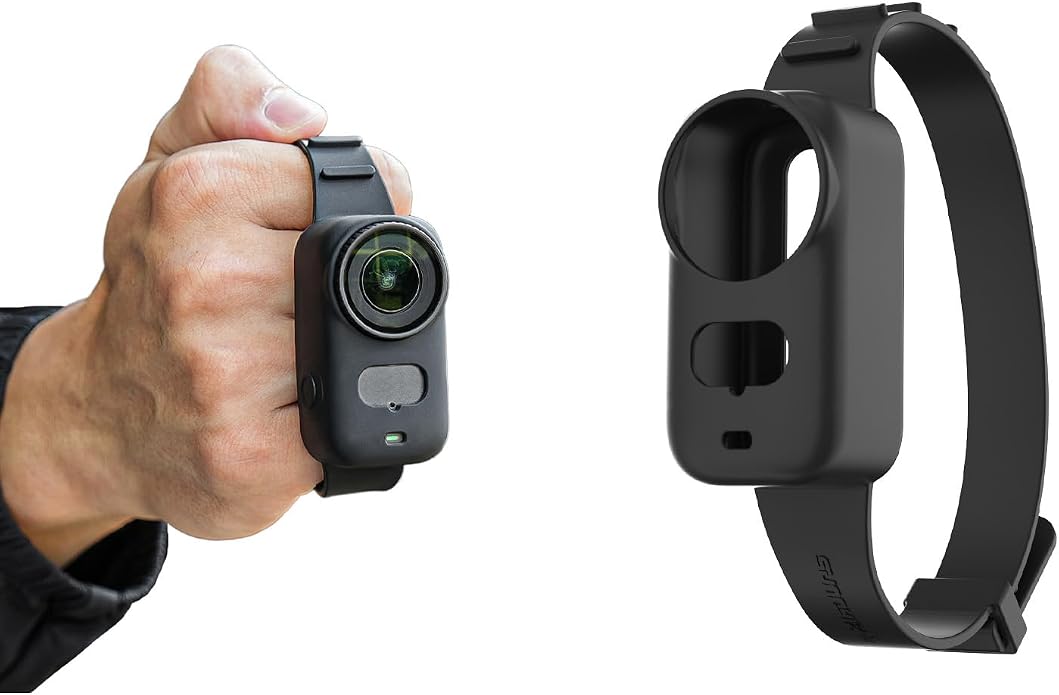
Adjustable Silicone Wrist Strap Protective Cover
Food-grade silicone ergonomic housing engineered for nano sports cameras, miniature vision modules, and child activity tracking.
1. Strategic Executive Summary: Navigating Japan's Child AI Learning Paradigm
The Japanese educational hardware ecosystem is experiencing a generational transformation. Driven by the Ministry of Education, Culture, Sports, Science and Technology (MEXT / 文部科学省) initiatives—specifically the GIGA School Concept (GIGAスクール構想) and updated Courses of Study (学習指導要領)—the demand for physical, interactive learning devices powered by adaptive artificial intelligence has outpaced traditional educational electronics. For Japanese importers, wholesalers, toy trading houses (玩具商社), and EdTech publishers, securing an experienced manufacturing partner in Shenzhen that understands both advanced LLM hardware engineering and strict Japanese technical compliance is a paramount strategic priority.
Shenzhen Mardijai Technology Co., Ltd. (operating as MardijAI) has been at the forefront of smart child electronics manufacturing since 2013. By combining carrier-grade telecommunications engineering (4G LTE SIM and dual-band Wi-Fi connectivity) with multi-model AI routing architectures (DeepSeek, Qwen, and custom Japanese fine-tuned models), MardijAI provides Japanese enterprise clients with robust, turn-key, and fully certified AI companion solutions. This whitepaper details the architectural, pedagogical, regulatory, and supply chain prerequisites essential for successfully deploying kids' AI companion robots within the demanding Japanese retail and institutional landscape.
2013+
Founded in Shenzhen
2,000m²
R&D & Assembly Facility
21–30
In-House R&D Engineers
11–20
Dedicated QC Inspectors
50+
Global Export Territories
2. Macro Trends Reshaping Japan's Kids AI Sourcing Landscape
Procurement directors at major Japanese consumer brands face distinct demographic and cultural factors that differentiate Japan from Western and domestic Chinese markets:
The "Six Pockets" Capital Dynamic
Despite declining national birth rates (少子化), per-child expenditure in Japan has reached historic highs. Parents, maternal grandparents, and paternal grandparents (the "six pockets") prioritize premium, high-utility developmental investments over disposable toys, making sub-¥30,000 AI hardware highly viable.
CEFR-J English Curricular Shift
MEXT's mandate shifting primary English instruction down to the 3rd and 5th grades has exposed a major shortage of native-speaking instructors. Interactive AI voice companions provide stress-free, phonetically accurate conversational scaffolding outside the formal classroom setting.
Dual-Income (共働き) Child Accompaniment
With record numbers of dual-career households across Tokyo, Osaka, and Nagoya, after-school latchkey children require engaging, emotionally intelligent conversational companions that deliver safe digital interaction, habit reminders, and remote parental check-ins.
3. Deep Localized Application Scenarios Across Japan
When engineering an AI companion for the Japanese domestic market, generic chatbot responses fail. Hardware and software must be calibrated to specific Japanese developmental and societal touchpoints:
Scenario A: Juku (Cram School) Supplementary & Home Self-Study (自主学習)
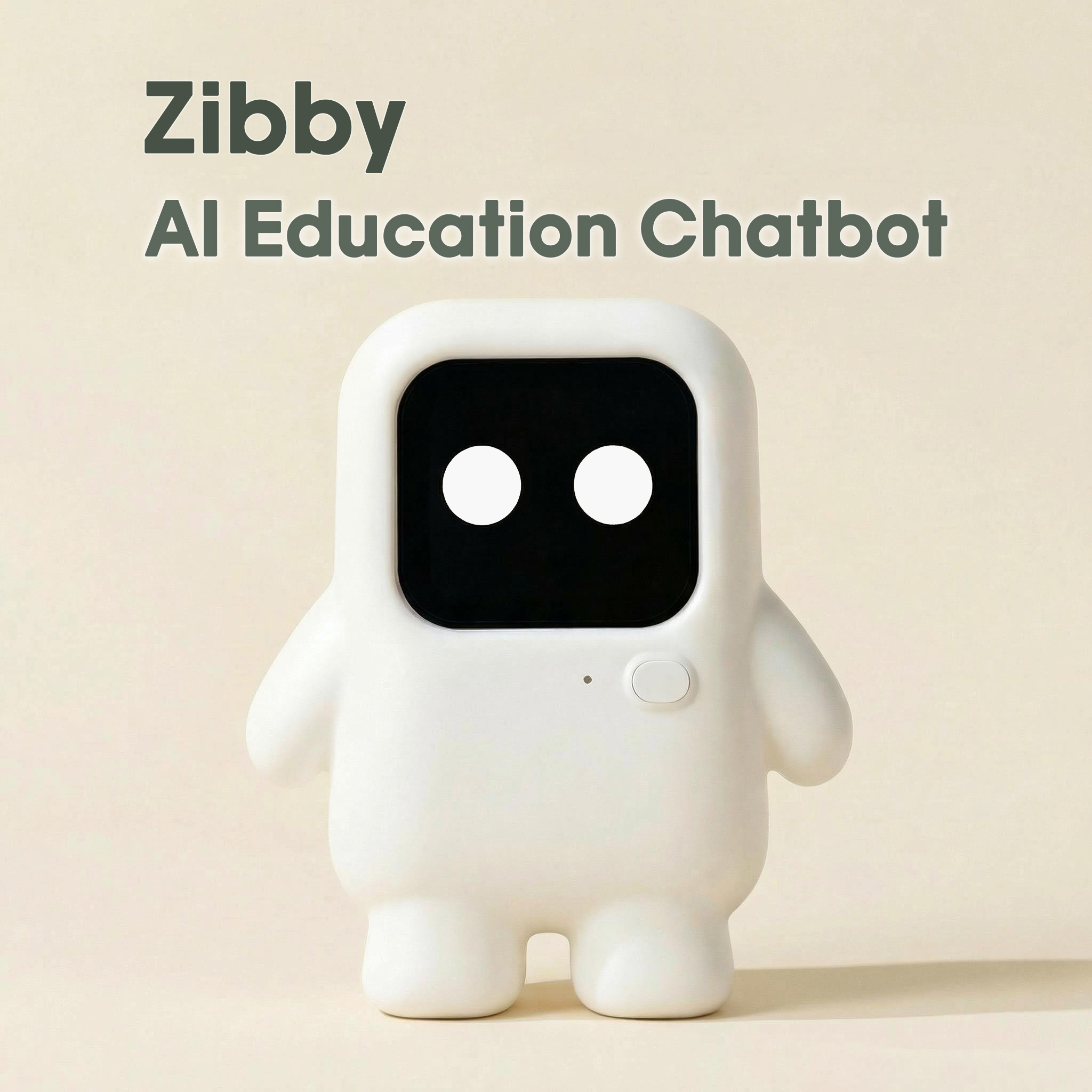
Japanese elementary students face intense academic pressure during upper grades when preparing for junior high school entrance examinations (中学受験). Our Zibby hardware platform integrates voice-activated query routines that dissect math reasoning steps and kanji stroke order without directly handing students the finished answer. By utilizing fine-tuned Socratic prompting protocols, the AI acts as a patient private tutor that encourages critical cognitive reflection.
Scenario B: GIGA School Extension & Visual Programming Logic
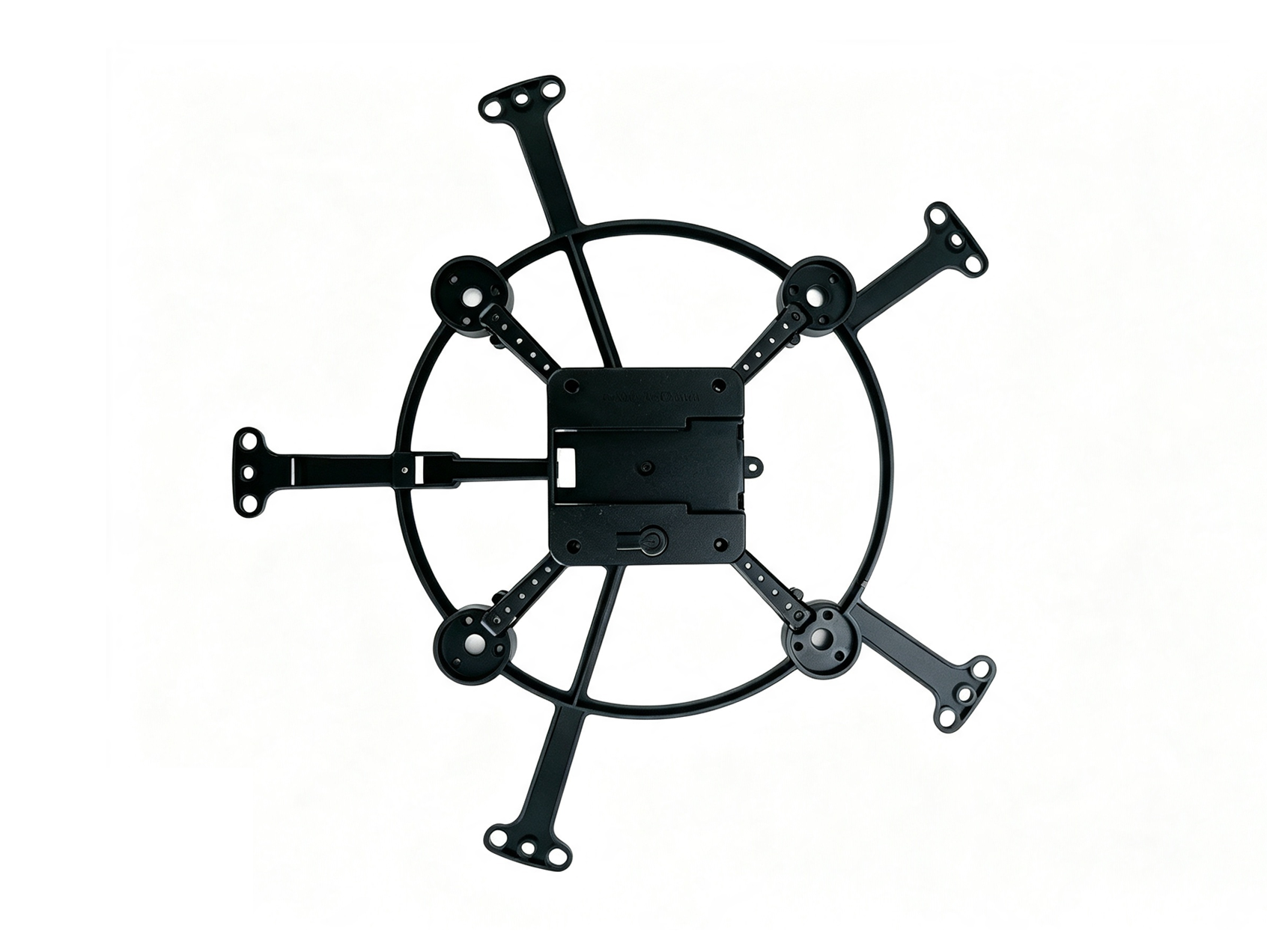
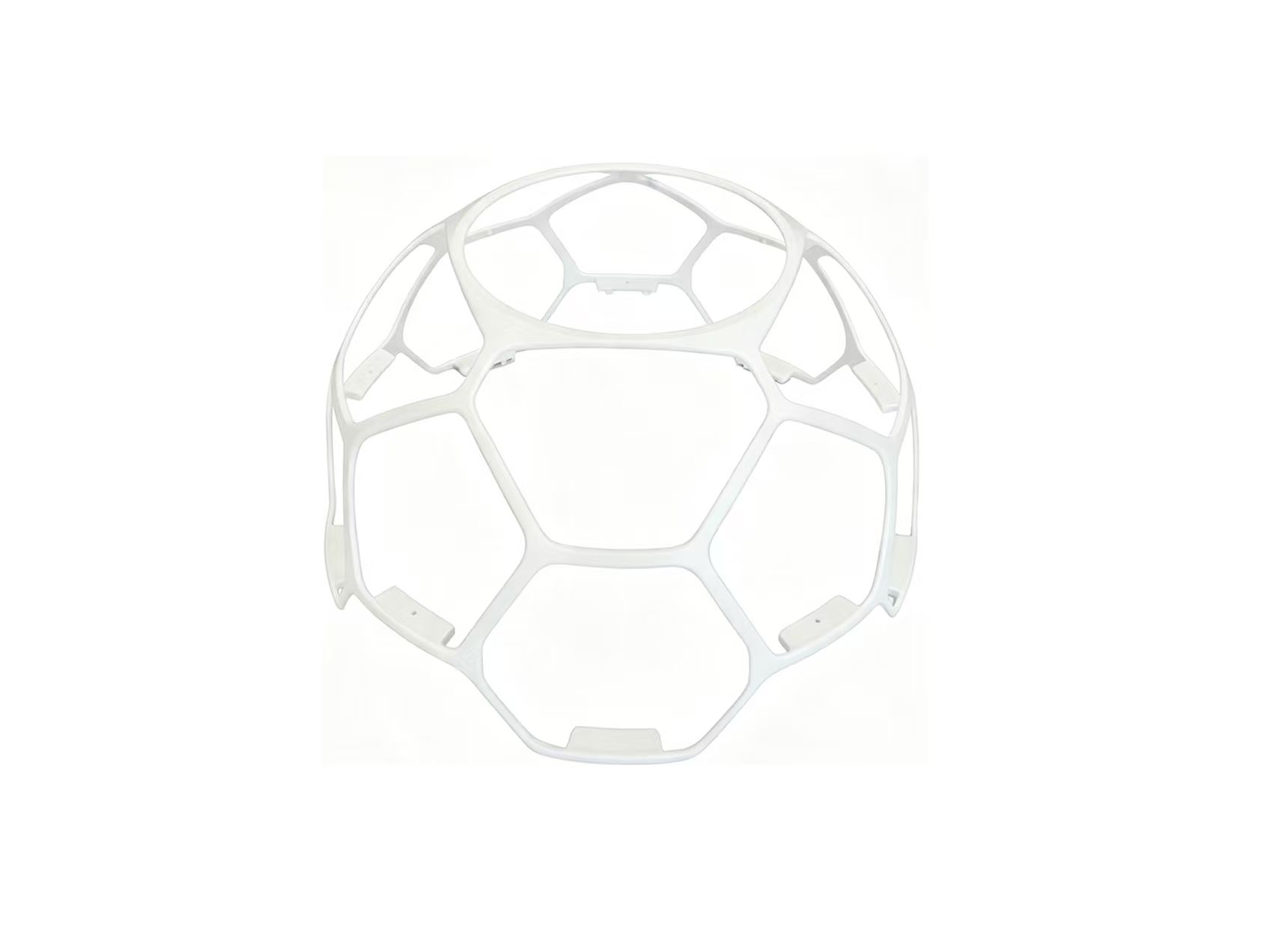
Under the GIGA School umbrella, every student is equipped with a tablet or Chromebook. However, screen fatigue is an increasing concern among Japanese parent-teacher associations (PTA). MardijAI's companion line introduces screen-free and eye-safe capacitive display form factors that communicate via voice, tactile sensors, and spatial robotics (such as our competitive drone soccer framework), turning abstract computational logic into real-world physical interactions.
Scenario C: Emotional Listening (傾聴) and Social-Emotional Learning (SEL)
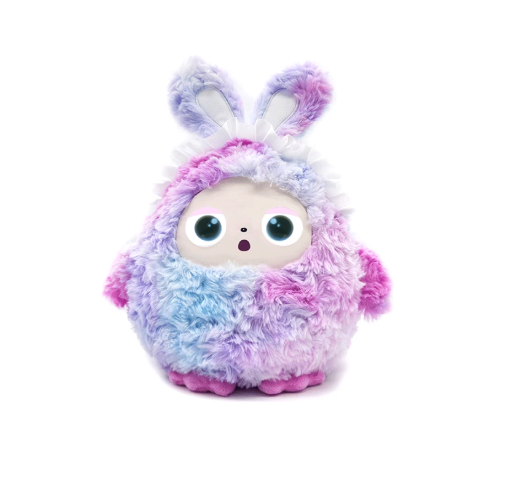
Japanese cultural nuances emphasize reserve (遠慮) and interpersonal harmony, leading some children to suppress school-related anxieties. Equipped with acoustic voice sentiment detection, our smart plush and robotic companions serve as non-judgmental confidants. Children practice expressing their feelings freely, while built-in privacy safeguards prevent unauthorized external data leakage.
4. Japanese Regulatory & Technical Compliance Architecture
Exporting smart electronics into Japan requires uncompromising adherence to domestic technical statutes. Failure to satisfy these legal baselines results in customs seizure at major ports such as Yokohama, Tokyo, or Kobe, alongside severe commercial liability.
TELEC / Giteki (技適マーク)
Certification of Technical Regulations Conformity under Japan's Radio Act (電波法). All MardijAI wireless modules (2.4GHz/5GHz Wi-Fi and 4G LTE Bands B1, B3, B8, B18, B19, B26) are engineered to support complete Giteki testing via registered certification bodies.
PSE Electrical Safety Law (電気用品安全法)
Internal lithium-ion polymer battery cells and peripheral AC power adapters must undergo strict PSE certification (Circular PSE for lithium cells >400 Wh/L volumetric energy density). Our battery integration features dual protection ICs, thermal cutoff fuses, and UN38.3 test documentation.
Japan ST Standard (玩具安全基準)
Established by the Japan Toy Association (JTA), ST Part 1 (Mechanical/Physical Properties), Part 2 (Flammability), and Part 3 (Chemical Safety/Heavy Metals/Phthalates) are strictly respected. We utilize food-contact-grade ABS, non-migrating silicone straps, and lead-free SMT processes.
APPI & Child Privacy Equivalence
Compliance with Japan's Act on the Protection of Personal Information (個人情報保護法). Our cloud telemetry is architected for sovereign data containment, ensuring child voice prints and conversational logs are sanitized, anonymized, and never retained for unsolicited LLM training.
A premier kids' AI companion cannot rely on slow, high-latency cloud streaming. Young children lose interest if response latency exceeds 1.5 seconds. MardijAI utilizes a tiered hybrid edge-cloud computing framework:
Acoustic Front End (AFE) & Voice Activity Detection (VAD): Dual omnidirectional noise-canceling microphone arrays isolate high-pitched child speech patterns against ambient home background noise.
On-Device Wake-Up & Safety Filter: Lightweight embedded DSP models handle instantaneous wake-up word recognition ("Hey Zibby" or custom Japanese wake phrases) and perform instant keyword filtering to prevent exposure to inappropriate content.
Multi-LLM Dynamic Cloud Gateway: Voice input is converted to text via low-latency Whisper/Conformer pipelines and routed dynamically to optimal LLM endpoints (DeepSeek, Doubao, Qwen, or custom localized Japanese APIs) based on conversation intent, balancing nuance with response speed.
Emotional Text-to-Speech (TTS): Natural Japanese vocal synthesizers with adjustable pitch, emotive inflection (happy, curious, encouraging), and pitch cadence matched to native Japanese kindergarten and primary school educators.
Headquartered in Shenzhen's prime manufacturing district with direct access to the Yantian Port maritime shipping corridor, Shenzhen Mardijai Technology Co., Ltd. bridges the gap between state-of-the-art Chinese hardware supply agility and strict Japanese quality expectations (日本品質).
Why Leading Importers Choose Our Shenzhen Facilities
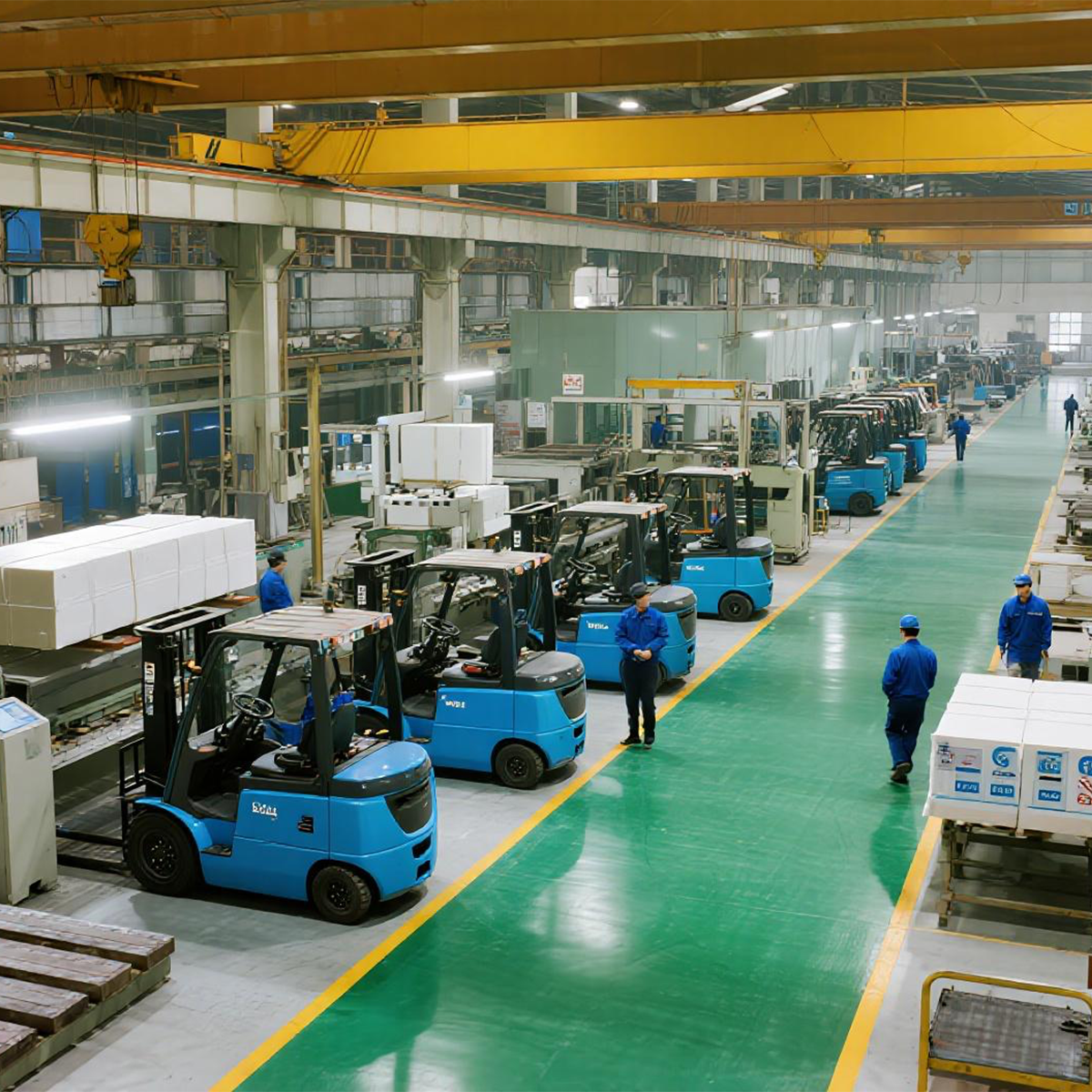
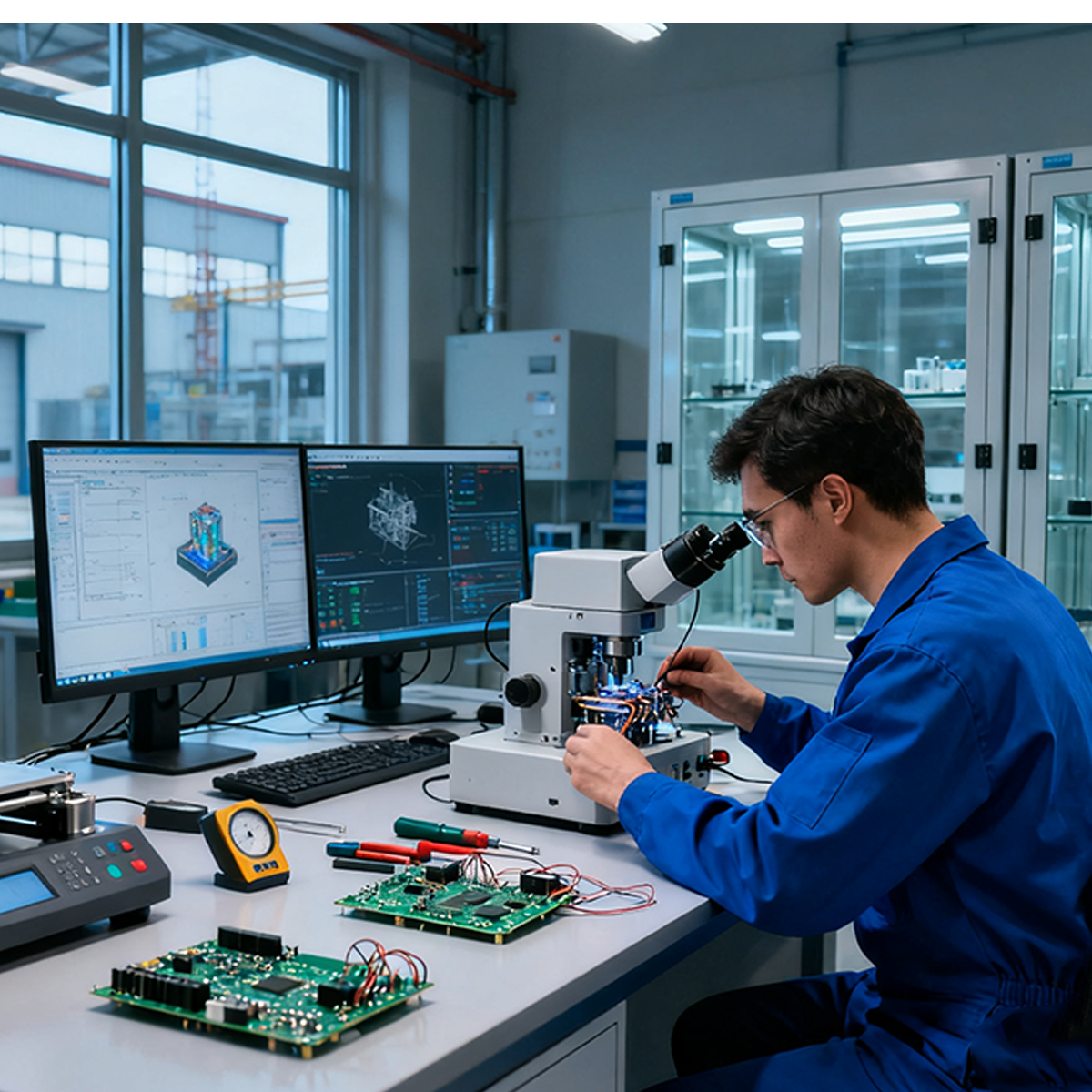
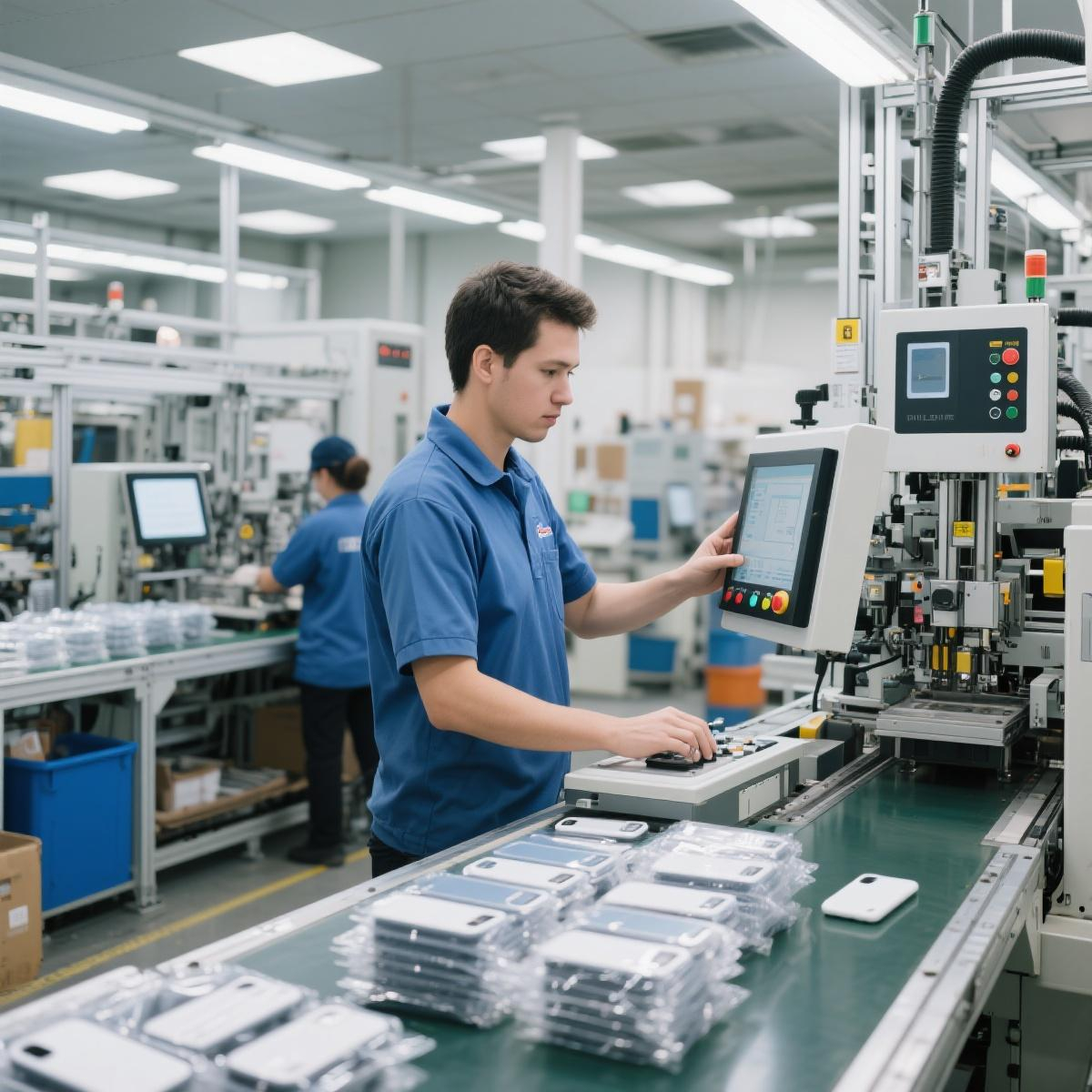
Founded in 2013, MardijAI maintains 2,000 square meters of specialized development labs, automated assembly lines, and aging chambers. Our multidisciplinary engineering team (21–30 specialists) oversees firmware, hardware, thermal dissipation, acoustic tuning, and mold design under one roof.
Crucially for Japanese procurement teams who enforce zero-defect policies, we deploy 11–20 dedicated Quality Control inspectors who govern an uncompromising 6-stage testing cycle: incoming raw material inspection (IQC), in-process quality control (IPQC), electro-acoustic frequency response calibration, drop and hinge-cycle testing, 48-hour burn-in stress runs, and final outgoing quality assurance (OQC) under strict AQL 0.65 / 1.0 guidelines.
ISO 9001 Audited AQL 0.65 Inspection RoHS Compliant DDP Japan Logistics
7. The 6-Stage OEM/ODM Customization Roadmap for Japanese Brands
Whether you represent a heritage Tokyo toy enterprise seeking a private-label edition of our Zibby flagship or an EdTech venture designing a proprietary interactive hardware companion from blank paper, our milestone-based roadmap guarantees transparency, budget certainty, and schedule discipline.
01
Engineering Specification (仕様確定)
Collaborative definition of RF frequency bands (NTT Docomo, SoftBank, au KDDI support), Japanese wake word lexicon, target age classification, and retail price thresholds.
02
Industrial & Mechanical Prototyping
CAD mold design optimizing drop shock dissipation, tactile matte textures resistant to finger smudges, and child-safe battery compartment interlocks.
03
Firmware & Japanese LLM Tuning
Integration of Japanese language models, curated speech prompt libraries, parental mobile app pairing (iOS/Android), and secure cloud API hookups.
04
Pre-Compliance & Giteki / PSE Lab Runs
Coordination with accredited test laboratories (such as TELEC or VCCI) to conduct conducted/radiated emissions tests, RF output validation, and drop testing.
05
Pilot Pilot-Run & Tooling Freeze
Small-batch trial run (50–200 units) to verify SMT yields, automated test fixture reliability, packaging integrity, and multi-day battery drain curves.
06
Mass Production, QC & DDP Japan Delivery
Full-scale production with 100% functional testing, batch inspection reports signed by lead QA engineers, and direct DDP/DAP container freight forwarding to Yokohama, Tokyo, or Kobe ports.
8. Japanese B2B Procurement FAQ (Frequently Asked Questions)
What is the standard production lead time for customized Japanese OEM orders?
Standard production runs for approved configurations require approximately 20 business days from purchase order confirmation. Bespoke ODM projects involving custom plastic tooling, specialized optical sensors, or dedicated TELEC/PSE certification cycles typically require 60 to 90 days from initial industrial design sign-off to first production pilot run.
Can MardijAI facilitate the TELEC (Giteki) and PSE certification processes for Japan?
Yes. Our internal compliance engineering team works directly with accredited testing institutions to generate the necessary RF schematics, antenna gain test reports, PCB bill-of-materials, and battery safety documentation. We ensure all certificates are legally registered under your brand or our manufacturing identity, complete with valid technical conformity marks.
Which Japanese mobile network operators (MNO) are supported by your 4G LTE models?
Our 4G cellular IoT modules support the primary frequency bands deployed across Japan, including Band 1 (2100 MHz), Band 3 (1800 MHz), Band 8 (SoftBank 900 MHz Platinum Band), Band 18/26 (au KDDI 800 MHz), and Band 19 (NTT Docomo 800 MHz Platinum Band). Nano-SIM card slots and integrated eSIM chips can both be provisioned.
How is user data privacy protected to satisfy Japan's APPI regulations?
We adhere to strict data-minimization principles. Voice telemetry is encrypted via TLS 1.3 in transit and AES-256 at rest. Hardware includes physical microphone disconnects and camera privacy shutters. For Japanese brand partners, cloud endpoints can be hosted within AWS Tokyo / Osaka data centers to ensure domestic data sovereignty without trans-border data flow issues.
What are the Minimum Order Quantities (MOQ) for custom branding versus full ODM?
For OEM private labeling (silkscreen brand logo, customized boot animation, Japanese gift box and instruction manual), our MOQ starts at 500 to 1,000 units. For full ODM hardware projects featuring custom plastic mold injection tooling, custom silicon integration, or proprietary aesthetic enclosures, the standard baseline begins at 3,000 units per production run.
What incoterms and logistics support do you offer for shipments to Japan?
We support standard FOB Shenzhen/Hong Kong terms, as well as CIF, DAP, and DDP terms directly to your distribution centers in Tokyo, Kanagawa, Osaka, or Kobe. By handling Japanese customs clearance, duty drawback, and localized import documentation, we ensure seamless supply chain predictability.
Begin Your AI Hardware Evaluation Today
Partner with Shenzhen Mardijai Technology Co., Ltd. for sample validation, TELEC test scheduling, and volume production quotes customized for the Japanese consumer market.