Eight Nano Camera Protective Housing Configurations for Global Buyers
These configurations cover the most requested formats for DJI Osmo Nano-class cameras, wearable video transmitters, FPV nano cameras and creator kits. Product URLs from the current catalogue are preserved; where no URL is available, the action links directly to the inquiry CTA.
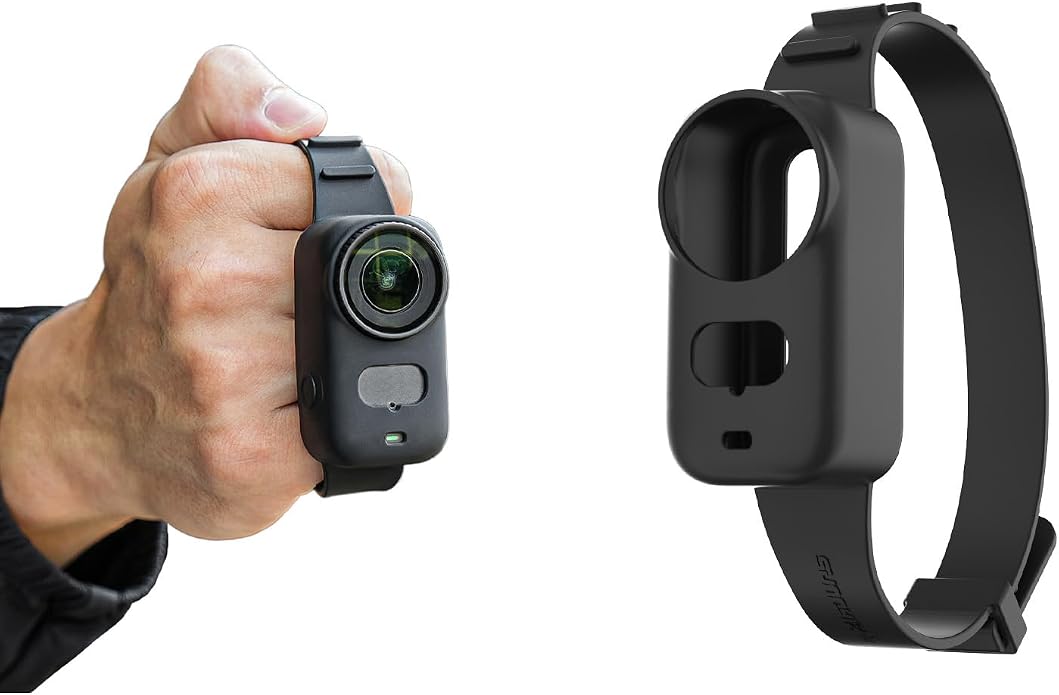
Adjustable Silicone Wrist Strap & Nano Camera Protective Cover
Soft-touch silicone housing with adjustable wrist strap for DJI Osmo Nano action and wearable video use, including pet and travel scenarios.
CNC Aluminum Bumper Cage for Nano Camera
6061 aluminum frame with controlled tolerances, heat-spreading structure and anti-vibration mounting for premium creator kits.
IP68 Waterproof Nano Camera Housing
Rigid housing with optical window, gasket design and port access for outdoor travel, marine and light industrial inspection.
Magnetic Quick-Release Housing for Creator Kits
Magnetic dock and quick-release base for fast switching between wrist, chest, bike and tripod mounting accessories.
TPU Shockproof Protective Shell with Lens Guard
Flexible TPU shell with raised lens lip, corner impact zones and open access to buttons, microphones and charging ports.
Modular FPV Nano Camera Protective Frame
Lightweight cage for drone racing and FPV payloads, engineered for crash resistance, vibration control and camera access.
Tripod-Ready Nano Camera Housing with Cold Shoe
Housing with 1/4-inch tripod thread, cold shoe and cable-friendly cutouts for interviews, vlogging and tabletop production.
Private-Label Silicone Housing with Custom Colorways
Logo, Pantone color matching, soft-touch finish, retail packaging and barcode-ready labeling for distributor brands.
A Protective Housing Is No Longer a Commodity Silicone Cover
Searching for a trusted nano camera protective housing factory is not the same as buying a generic cover by weight. In 2026, nano action cameras and wearable video transmitters are used in vlogging, pet walking, drone racing, travel, cycling, retail demonstrations and light industrial inspection. The housing becomes an engineered interface between the camera and the real world.
A credible supplier must control tolerance stack, silicone shrinkage, surface energy, lens-window clarity, RF and microphone pass-through, heat dissipation, drop performance and brand presentation. Most quotations show only price per piece. A trusted exporter should also show the control plan behind that price: material certificates, mold maintenance, in-process inspection, packaging verification and export documentation.
MardijAI, operated by Shenzhen Mardijai Technology Co., Ltd., brings the quality discipline developed for child-safe AI educational robots into precision protective housings and accessories. Our team combines embedded product engineering, silicone and hard-good manufacturing coordination, dedicated QC inspection and export logistics from Shenzhen. The result is a sourcing route for buyers who need both customization flexibility and repeatable quality.
Built Around Five Buyer Risks
Poor fit, lens obstruction, signal loss, microphone muffling and inconsistent color are the most expensive problems in this category. Our product review process starts with those risks, not with a generic catalogue photo. Each sample is checked against camera dimensions, port locations, mounting loads and the intended retail configuration.
How to Choose the Right Housing Material Before Tooling
Material selection changes tooling cost, MOQ, hand feel, heat behavior, optical performance and the claims you can safely make in your market. Use this matrix as an early procurement screen, then validate final specifications through samples and test reports.
| Housing Option | Best-Fit Use | Impact & Grip | Heat & Optical Behavior | Procurement Note |
|---|---|---|---|---|
| Liquid Silicone / LSR | Wrist straps, soft skins, pet-walking mounts, retail color programs | High grip and soft-touch feel; good vibration damping | Insulates heat; requires careful lens and microphone opening design | Excellent for Pantone colorways and private label; mold cost and material grade must be specified. |
| TPU | Shockproof shells, clip-on bumpers, low-cost retail bundles | Good impact resistance with a firmer hand feel than silicone | Can be formulated for clarity or matte finish; heat buildup must be tested | Strong balance of cost and protection; clarify yellowing resistance and surface treatment. |
| Polycarbonate / PC | Rigid waterproof housings, optical windows, structural frames | Rigid protection; not flexible | Good dimensional stability; needs anti-scratch and anti-fog treatment for optical parts | Useful for IP-rated designs; request clarity, coating and gasket compression data. |
| CNC 6061 Aluminum | Premium bumper cages, creator kits, heat-spreading frames | Very high rigidity and premium perceived value | Helps spread heat; anodized finish can support brand colors | Higher unit cost and longer machining cycle; define tolerances and screw-lock design early. |
| Glass-Filled Nylon / Composite | FPV frames, structural brackets, low-weight crash protection | High stiffness-to-weight ratio | Good dimensional stability; RF and antenna placement must be reviewed | Common for drone and FPV applications; request drop, vibration and screw-retention validation. |
Recommended Procurement Paths for Different Buyer Types
A creator brand, a regional distributor and an FPV product team should not buy the same housing configuration. The right mix depends on sales channel, seasonality, compliance scope and after-sales risk.
Creator & DTC Brands
Start with a soft-touch silicone housing, magnetic quick-release base and lens guard. Build a bundle rather than a single SKU.
- Low-MOQ pilot with 2–4 colorways
- Logo embossing and retail-ready packaging
- Content assets for product listing pages
Distributors & Retail Chains
Prioritize barcode-ready packaging, multi-pack options, documented QC reports and landed-cost clarity for seasonal programs.
- DDP or DAP terms from Shenzhen
- Batch inspection reports before shipment
- Mixed-color cartons and shelf-ready packaging
FPV & Industrial Teams
Choose an aluminum or composite protective frame with vibration control, screw retention and validated camera access.
- Drop, vibration and crash-resistance review
- RF and antenna placement validation
- Batch traceability and spare-part planning
What Global Buyers Will Demand from Nano Camera Housing Suppliers in 2026–2028
The protective housing category is moving away from spot-buying commodity covers toward compliance-first, bundle-driven and landed-cost-transparent sourcing. Based on our 2025–2026 OEM inquiry pattern, buyers increasingly ask for evidence before price. They ask for material declarations, packaging compliance, test reports, cartoon marks and delivery terms that protect margin.
This does not mean small buyers are excluded. It means the winning factory relationship is modular: a low-risk pilot, a documented specification, a scalable mold ownership model and a logistics plan that can move from sample to repeat order without renegotiating every detail. The five priorities below should shape your supplier scorecard.
Compliance evidence. RoHS, REACH, packaging and PFAS-related scrutiny will be treated as a baseline, not a premium service.
Low-MOQ private label. Brands want to test color, finish and packaging before committing to a full container.
DDP landed cost. Distributors want delivered price clarity, not ex-works confusion that hides import cost.
Ecosystem bundles. Housing, lens guard, wrist strap, mount and travel pouch will be sold as systems to raise average order value.
Where Nano Camera Protective Housing Design Is Going Next
The next generation of housings will be judged by how well they integrate with real creator workflows. Buyers should look for suppliers who can discuss design trade-offs, not only quote a unit price.
Hybrid Silicone + Metal Cages
Soft-touch skin plus internal alloy frame for grip, rigidity and premium positioning without sacrificing daily usability.
Anti-Fog Optical Windows
Coated PC or glass windows with controlled flatness reduce lens flare and condensation in travel and marine use.
Magnetic Modular Mounting
Quick-release systems that let users move from wrist to bike, chest or tripod without changing the housing.
Thermal-Aware Designs
Vent paths and heat-spreading materials become more important as cameras add higher frame rates and wireless transmission.
Recycled & Bio-Based Materials
Brands are asking for lower-impact silicone, TPU and packaging options with clear material declarations.
Authenticity & Private-Label Details
QR codes, NFC tags, batch coding and premium unboxing turn a housing accessory into a brand-owned product.
How to Verify a Nano Camera Protective Housing Factory
Certificates alone do not prove production capability. A serious audit checks whether the supplier can translate a sample into repeatable output, batch after batch.
DFM & Tolerance Review
Ask for comments on wall thickness, draft angle, shrinkage, port openings, screw bosses and lens-window flatness before tooling.
Material Traceability
Request silicone, TPU, PC and coating declarations. Confirm that the material used in mass production matches the approved sample.
Drop & Vibration Testing
Review drop height, corner orientation, camera loading, mount stress and vibration exposure for the intended use case.
Optical & Audio Pass-Through
Check lens clarity, light transmission, flare, microphone openings and speaker channel alignment on a real camera unit.
IP & Environmental Claims
Do not accept an IP claim without a test method. Review gasket compression, aging, UV exposure and anti-fog treatment where relevant.
QC & Export Documentation
Ask for the control plan, AQL level, inspection photos, packing verification, carton marks and test reports before shipment.
Why MardijAI Is a Trusted Shenzhen Partner for Custom Protective Housing
Shenzhen Mardijai Technology Co., Ltd. was established in 2013 and operates from Shenzhen, Guangdong, China. The company is known for 4G and Wi-Fi kids AI educational robots, touch-screen AI chatbots and companion toys with OEM/ODM services for global brands and distributors. That background matters for protective housing buyers because it means the team is used to consumer-electronics tolerances, child-safety thinking, batch inspection and export documentation.
For nano camera protective housing projects, we apply the same disciplines to a different product form: DFM review, material selection, color matching, packaging customization, drop-test planning, QC inspection and delivery coordination. We support OEM customization such as logo, exterior color, finish and retail packaging, and ODM development when a buyer needs a new structure, mounting concept or accessory system.
Our production and support environment includes 21–30 R&D professionals, 11–20 dedicated QC inspectors and approximately 2,000 m² of R&D and production space. Standard orders typically ship in about 20 days after sample and specification approval. We serve buyers in North America, South America, Europe and other regions, with shipment from Shenzhen Yantian port and DDP or DAP terms available to simplify import for distributors and retailers.
Dedicated Quality Control
Batch inspection, appearance checks, functional review and packing verification before export.
One-Stop OEM/ODM
From logo and color to new housing structure, packaging, accessories and market-specific configurations.
Export Logistics Support
DDP and DAP options from Shenzhen, with documentation support for distributors, retailers and e-commerce sellers.
Common Questions About Nano Camera Protective Housing Sourcing
These answers reflect the questions most often raised during sample review, supplier audit and export planning.
What is the typical MOQ for a custom nano camera protective housing?
Which material is best for DJI Osmo Nano-style protective covers?
Can you support private-label packaging, barcodes and retail colorways?
How do you control fit around the lens, ports and buttons?
What testing or documentation can be provided?
What is the typical production lead time?
Can you develop a new housing from my sketch or 3D drawing?
How are shipping terms handled for international buyers?
Are you a factory or a trading company?
How do I start a sourcing project?
Ready to Source a Reliable Nano Camera Protective Housing?
Tell us your camera model, target market, material preference, packaging plan and annual volume. We will respond with a practical configuration, sampling path and export recommendation for your market.