OEM/ODM Kids AI Robots · Samples Available for Qualified B2B Buyers

Global B2B Sourcing Guide 2025/2026

Top China Remote Control Fighting Robot Manufacturers & Factories

Precision-engineered mechatronics, high-torque brushless drive systems, low-latency 2.4GHz/5.8GHz teleoperation, and scalable OEM/ODM manufacturing ecosystems in Shenzhen.

12+
Years Engineering Excellence
2,000 m²
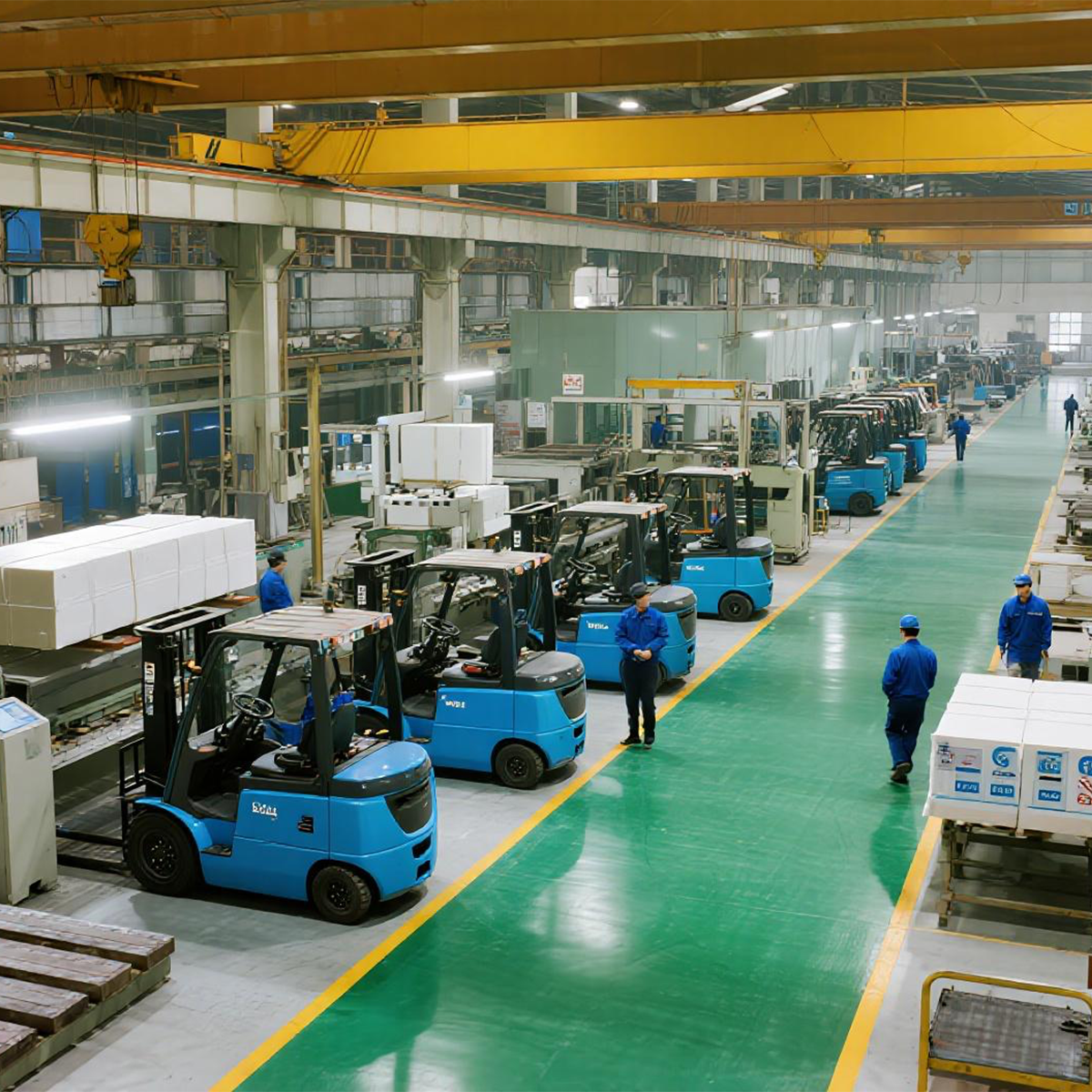
Advanced Manufacturing Space
21-30
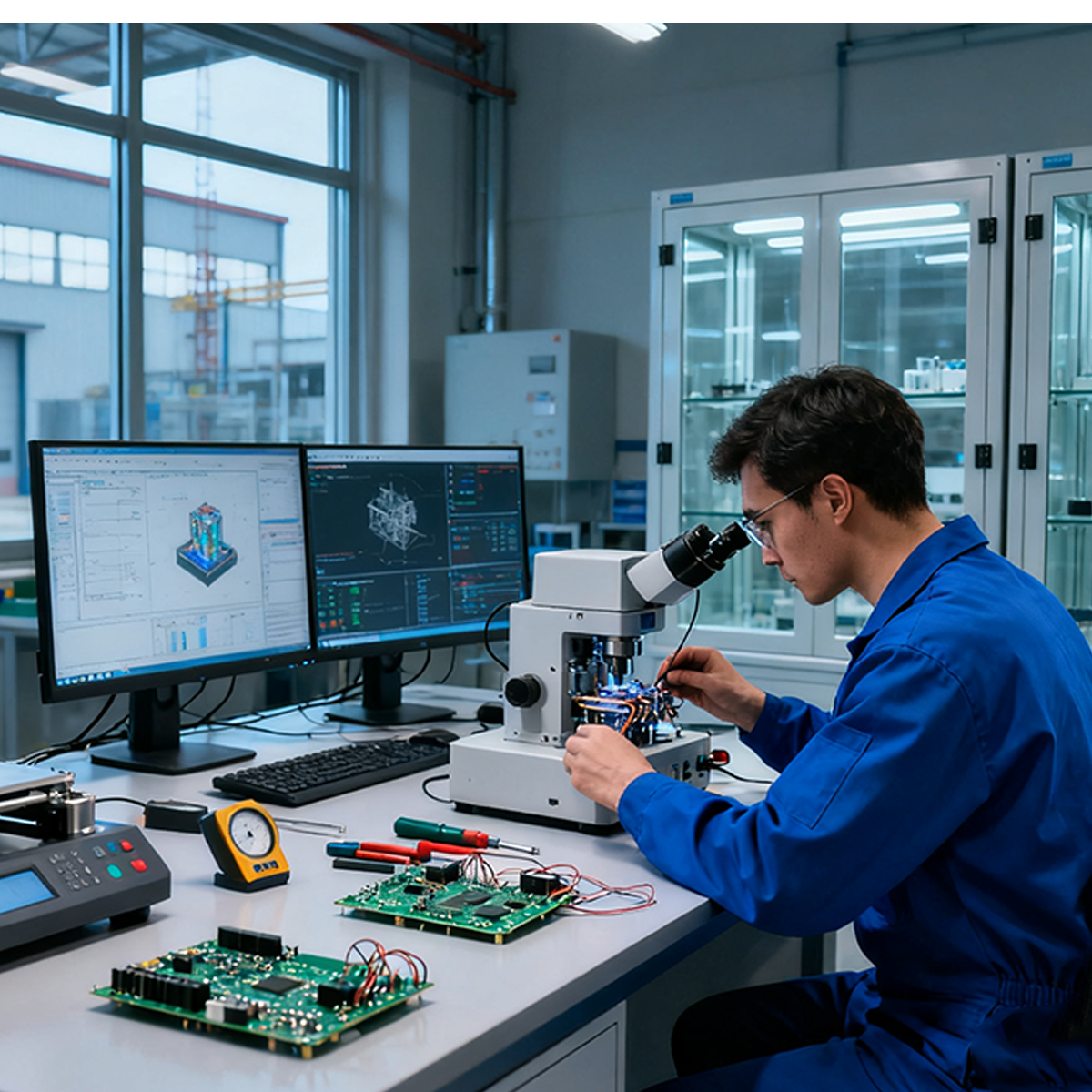
Embedded Firmware & Mechatronic R&D Engineers
50+
Global Export Compliance Markets
Precision Mechatronic & Interactive Hardware Catalog

Verified Robotics, FPV Competitive Gear & Smart Platforms

Source directly from certified Shenzhen assembly lines. Every platform integrates industrial-grade impact chassis, interference-free wireless transceivers, and modular payload bays designed for retail brand distribution, competitive robotics arenas, and STEM educational institutes.

Market Foresight & Procurement Directives

Future Sourcing Trends for RC Fighting & Combat Robotics

Global consumer demand for remote-controlled fighting robots and tactical battle systems has shifted dramatically from brittle, short-lived toys to high-durability mechatronics equipped with intelligent scoring, modular component replacement, and mixed-reality integration. Professional B2B buyers must navigate these emerging procurement paradigms to protect margins and secure market leadership.

⚡

High-Voltage Brushless & FOC ESC Transitions

Traditional brushed motors with plastic gearboxes are being phased out across high-tier combat and RC action segments. Importers are requiring Field-Oriented Control (FOC) electronic speed controllers paired with high-KV brushless motors. This architectural leap offers 300% longer operational lifespans, instantaneous torque response for kinetic weapons, and superior thermal dissipation during continuous tournament battles.

📡

Low-Latency 2.4GHz FHSS & Digital FPV Video

Interference from crowded trade show venues, residential Wi-Fi networks, and multi-robot arena play has forced a shift toward Frequency Hopping Spread Spectrum (FHSS) radio control systems with latency profiles under 12 milliseconds. Simultaneously, sourcing specifications increasingly mandate digital HD zero-latency video downlinks, enabling first-person cockpit targeting right from the controller or mobile screen.

🛡️

Advanced Composites: Polycarbonate & Carbon Fiber

Warranty return rates directly correlate with chassis material science. Sourcing trends prioritize unibody aerospace-grade carbon fiber chassis plates, high-density polyethylene (HDPE) armor, and shatter-resistant polycarbonate outer cages. By absorbing kinetic weapon energy rather than cracking, these advanced composites reduce post-sale customer service overhead by up to 65% for major distributors.

Engineering Evolution & Architectural Insights

Key Technological Innovations Transforming Combat Mechatronics

The convergence of generative AI, high-bandwidth edge telemetry, and standardized modular hardware is reshaping the competitive battle robot industry in China. Factories are no longer merely assembling plastic molds; Shenzhen’s tier-one manufacturers lead the way in integrated hardware-software ecosystems.

🎯

Infrared & Accelerometer Electronic Scoring Systems

Modern remote-control fighting robots have moved beyond subjective judging. Factories are now integrating integrated 3-axis gyro/accelerometer hit-sensors and encrypted omnidirectional infrared transceiver rings. When struck with adequate kinetic force or laser tag telemetry, the robot registers damage algorithmically, throttling motor power or disabling weapon systems in real-time to simulate authentic battlefield attrition.

🧠

Autonomous Edge AI Training & Conversational Co-Pilots

Building on MardijAI’s embedded deep-learning platforms, next-generation combat units are adopting neural processing units (NPUs). These onboard processors facilitate visual enemy tracking, auto-aim kinetic stabilization, and real-time verbal battle commentary using local large language models (LLMs). This transforms a solitary RC hobby into an immersive, interactive gaming experience.

Direct Factory Advantages

Shenzhen Mardijai Technology: Engineering, Assembly & Export Mastery

Established in 2013 in Shenzhen—the epicenter of global consumer electronics—Shenzhen Mardijai Technology Co., Ltd. bridges advanced mechatronic engineering with large-scale high-precision manufacturing. With dedicated R&D laboratories and certified assembly facilities, we deliver fully customized RC fighting platforms and smart AI robots to distributors across North America, Europe, South America, and Asia Pacific.

  • ✓
    Rigorous In-House Quality Control: A dedicated team of 11–20 certified QC inspectors conducts drop testing, continuous motor burn-in, radio-frequency range verification, and battery cycle stress tests on every production lot.
  • ✓
    Complete In-House ODM/OEM Workflow: From structural CAD design, rapid CNC prototyping, and tooling fabrication to custom firmware compilation, custom packaging, and private-label silk screening.
  • ✓
    Global Logistics & Trade Assurance: Direct export handling from Shenzhen Yantian port with flexible DDP, DAP, and FOB agreements, supported by complete CE, FCC, RoHS, and ASTM certification files.
  • ✓
    Rapid Production Lead Times: Around 20 days for standard manufacturing runs following final sign-off, facilitating smooth inventory turns for seasonal catalog and retail cycles.
B2B Procurement Matrix

Technical Benchmark: Standard Toy-Grade vs. MardijAI Battle-Grade Systems

Understanding internal specifications is vital to avoid high return rates and poor brand reputation. The comparison below illustrates our component-level commitments.

Engineering Subsystem Standard Generic Toy Supplier Shenzhen Mardijai Professional Standard Procurement Impact
Drivetrain & Actuators Low-torque 130-brushed motors, plastic spur gears High-torque metal-gear brushed or coreless brushless DC motors Prevents gear-stripping during high-impact collisions
Chassis Architecture Recycled brittle ABS plastic casing (<1.5mm) Reinforced virgin ABS/Polycarbonate alloy + 2.5mm carbon fiber plate Eliminates structural failure under kinetic weapon hits
Radio Frequency Link Fixed-channel 27/40MHz or unshielded 2.4GHz Encrypted 2.4GHz FHSS with sub-10ms latency (50-100m range) Supports 16+ simultaneous robots fighting in one arena
Power & Battery Cells Generic NiCd or uncertified lithium pouch cells High-discharge UN38.3/MSDS certified Li-Po/Li-ion with integrated BMS Extended run times (25+ min) and strict customs compliance
Software & Telemetry No telemetry or firmware update capability OTA upgradable firmware, customizable hit-points, LLM integrations Sustained customer engagement and reduced inventory obsolescence
Frequently Asked Questions

Strategic Procurement & Manufacturing FAQ

Direct answers to the most common engineering, customization, MOQ, and shipping queries posed by international retail buyers and sourcing managers.

What is the minimum order quantity (MOQ) for custom OEM combat robots?
For standard production models with custom client logo placement, silk screening, and bespoke multi-language retail packaging, our typical minimum order threshold is 500 to 1,000 units. For full ODM engineering projects—involving custom plastic injection tooling, modified PCBA layouts, or proprietary weapon mechanics—MOQs generally start at 2,000 to 3,000 units depending on component complexity. Small-batch pilot runs are supported for qualified long-term partners.
How does your factory ensure compliance with US and European toy safety standards?
All materials utilized across our housing molds, batteries, and electronic components comply with EU RoHS, REACH, and California Proposition 65 hazardous substance restrictions. We coordinate testing through accredited third-party laboratories (such as SGS, TUV, and Intertek) to supply complete test reports covering CE-RED, FCC Part 15B/15C, EN71, EN62115, and ASTM F963 specifications for seamless customs clearance.
Can we integrate custom AI voice models or proprietary companion apps into the hardware?
Yes. Our software engineering department in Shenzhen is experienced in integrating customized cloud APIs, voice recognition pipelines, and mobile companion apps (iOS/Android). We support multiple major large language model backends (including DeepSeek, Doubao, and Qwen) and can configure localized language models, parental control dashboards, or unique battle audio soundboards tailored to your regional market.
What is the standard production lead time and typical shipping cycle?
Standard repeat purchase orders require approximately 20 business days from deposit payment and final packaging approval. New OEM projects with customized shell colors and packaging usually take 30 to 35 days. We export directly from Shenzhen Yantian or Shekou ports and offer complete FOB, CIF, DDP, and DAP freight management solutions worldwide.
How do you manage spare parts support and warranty claims for retail buyers?
Because high-impact combat robots experience mechanical stress, we provide 1% to 2% complimentary spare components (including spare motor gearboxes, rubber drive tires, weapon linkages, and battery packs) with every containerized shipment. Detailed repair manuals, video schematics, and component-level diagnostic support are provided directly to your regional RMA servicing hubs.

Plan Your Remote Control Battle Robot Product Line

Connect directly with our engineering and procurement team in Shenzhen. Receive comprehensive specification sheets, Bill of Materials (BOM) cost breakdowns, and physical evaluation samples tailored to your target distribution channels.

Get Catalog