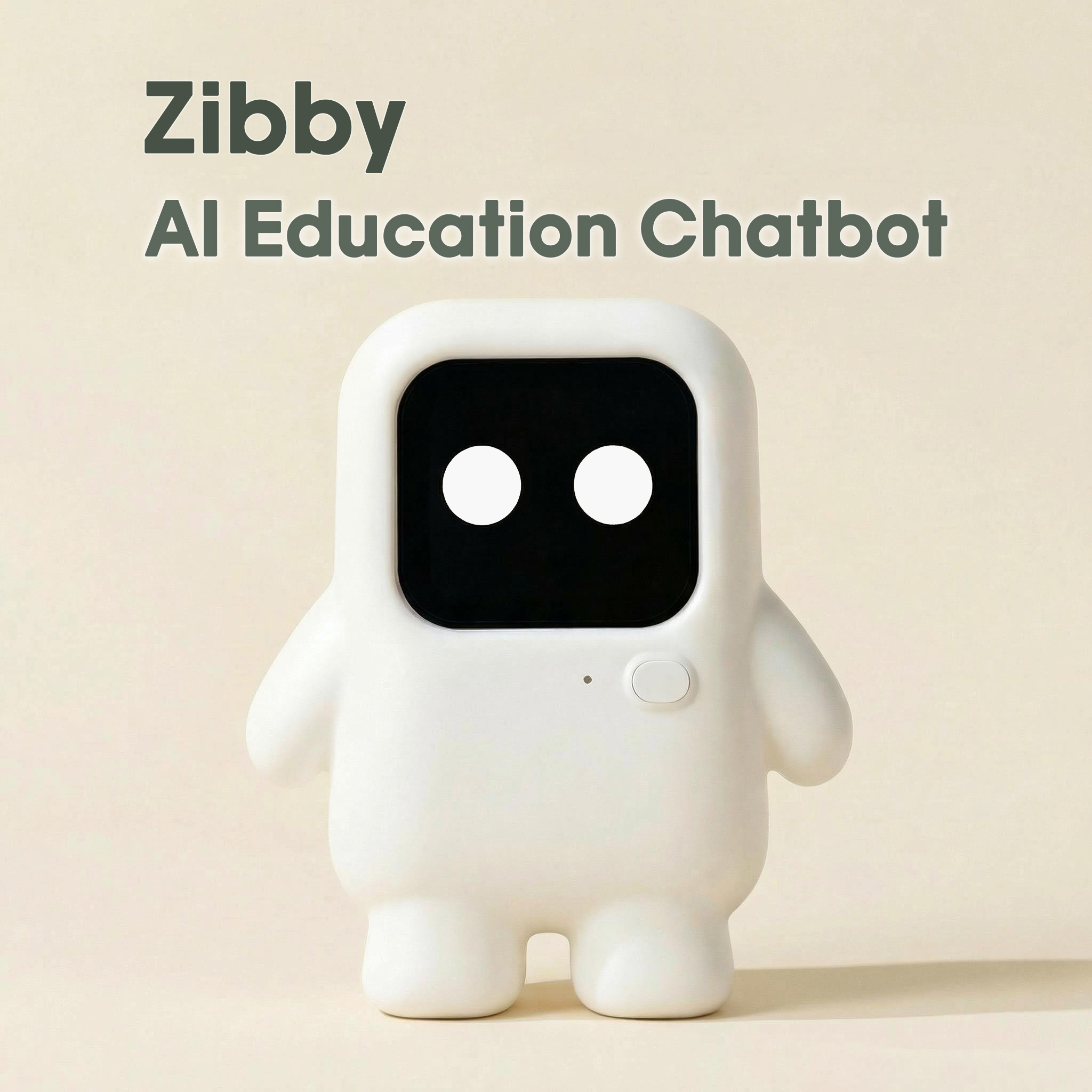
Zibby 4G & Wi-Fi Touch Screen AI Chatbot Robot
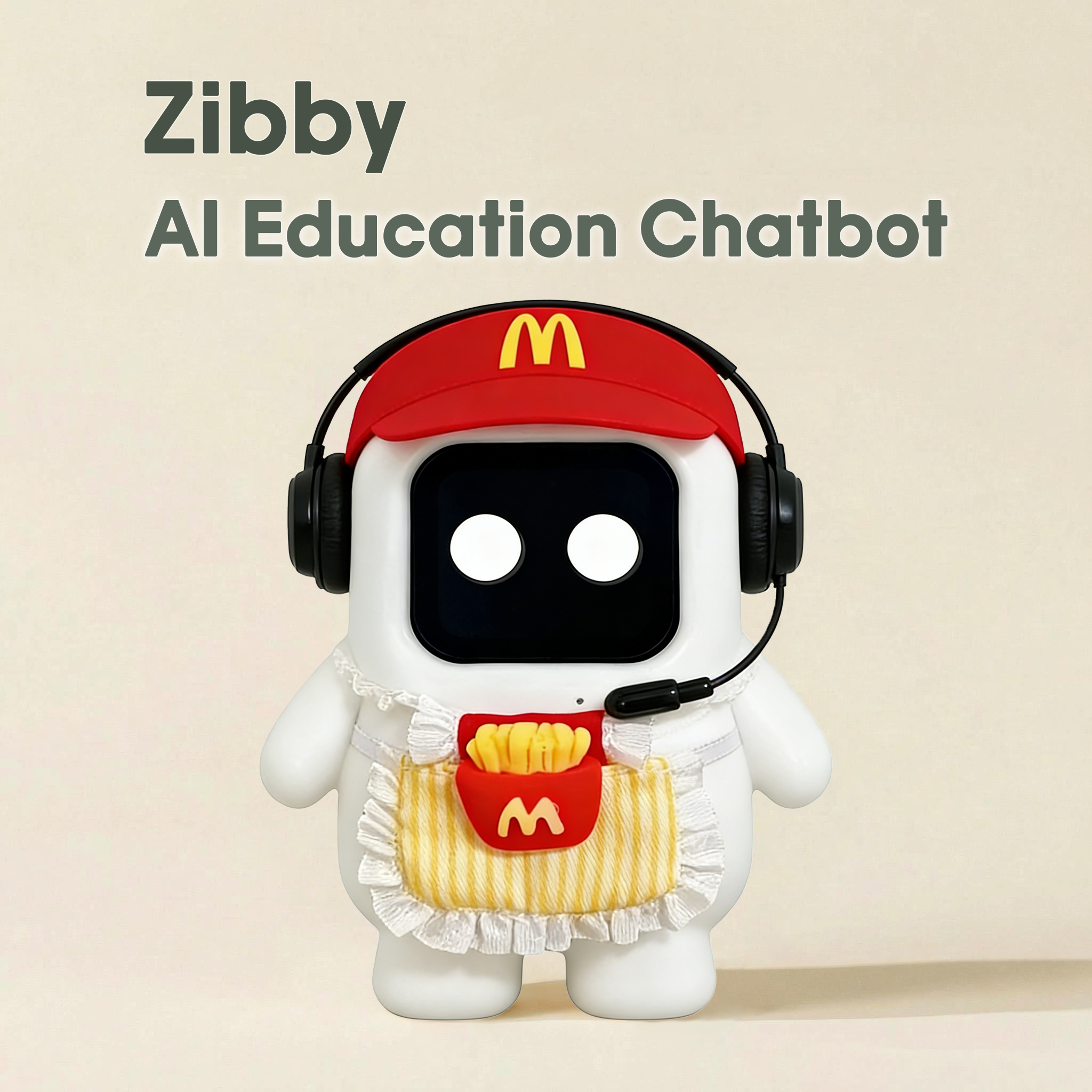
Integrated with DeepSeek, Doubao, and Qwen LLMs. Features high-clarity IPS touch display, dual-mic far-field acoustic arrays, pediatric natural language processing, and parent-monitored telemetry.
Direct from our Shenzhen manufacturing center. Explore high-performance interactive conversational platforms, STEM drone robotics, and OEM-ready intelligent juvenile hardware engineered for global regulatory standards.
Integrated with DeepSeek, Doubao, and Qwen LLMs. Features high-clarity IPS touch display, dual-mic far-field acoustic arrays, pediatric natural language processing, and parent-monitored telemetry.
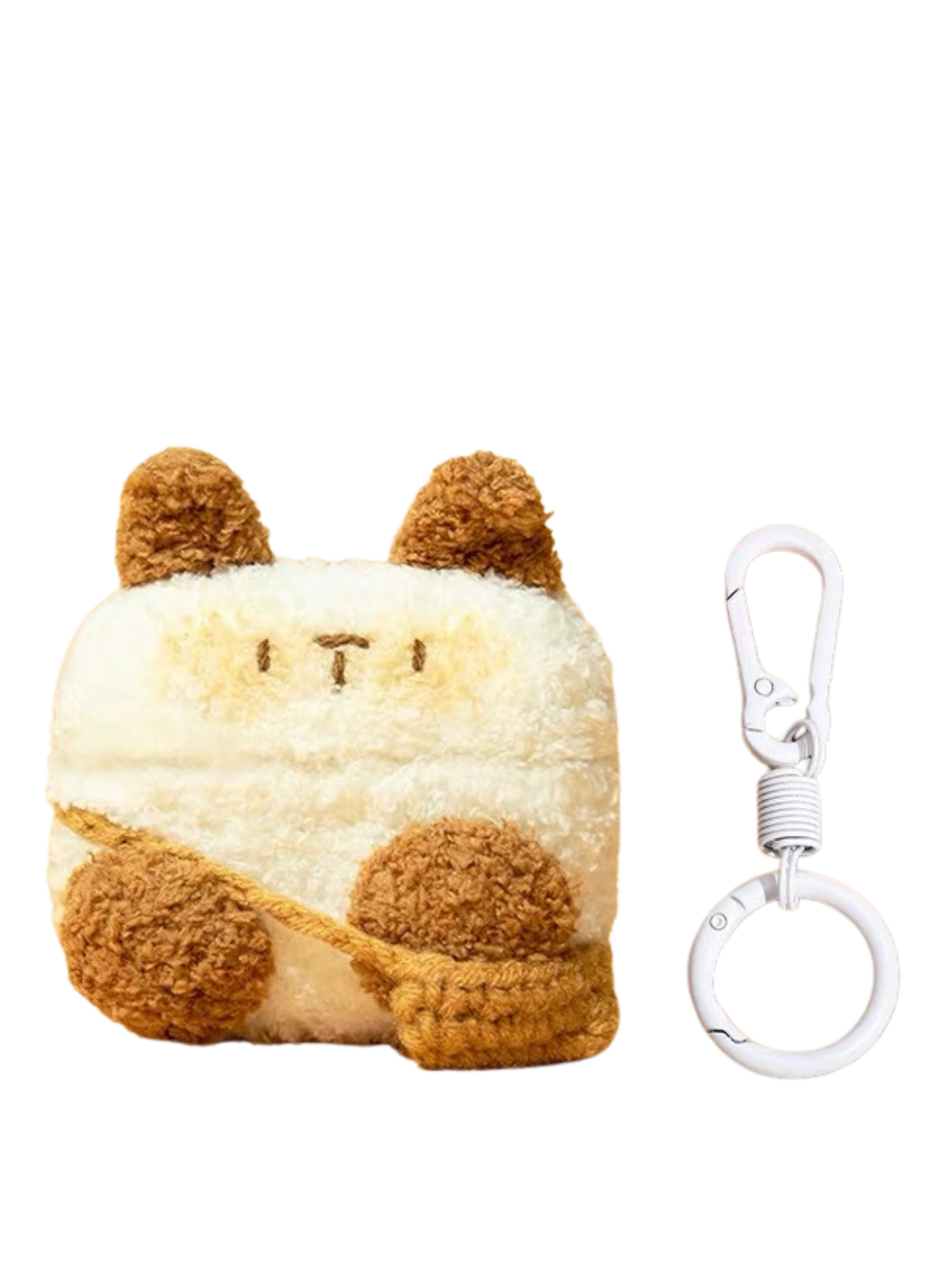
Smart interactive companion doll with cloud voice recognition, soft antibacterial cotton mesh lining, responsive emotional feedback, and contextual early education language modules.
Rapid turnkey ODM platform tailored for consumer electronic distributors. Customized shell molding, customized system boot animation, branded UI overlay, and customized regional LLM endpoints.
Pediatric behavioral adaptation robot utilizing localized sentiment analysis. Features bedtime narration engines, bilingual conversational immersion, and non-addictive screen-free interaction.
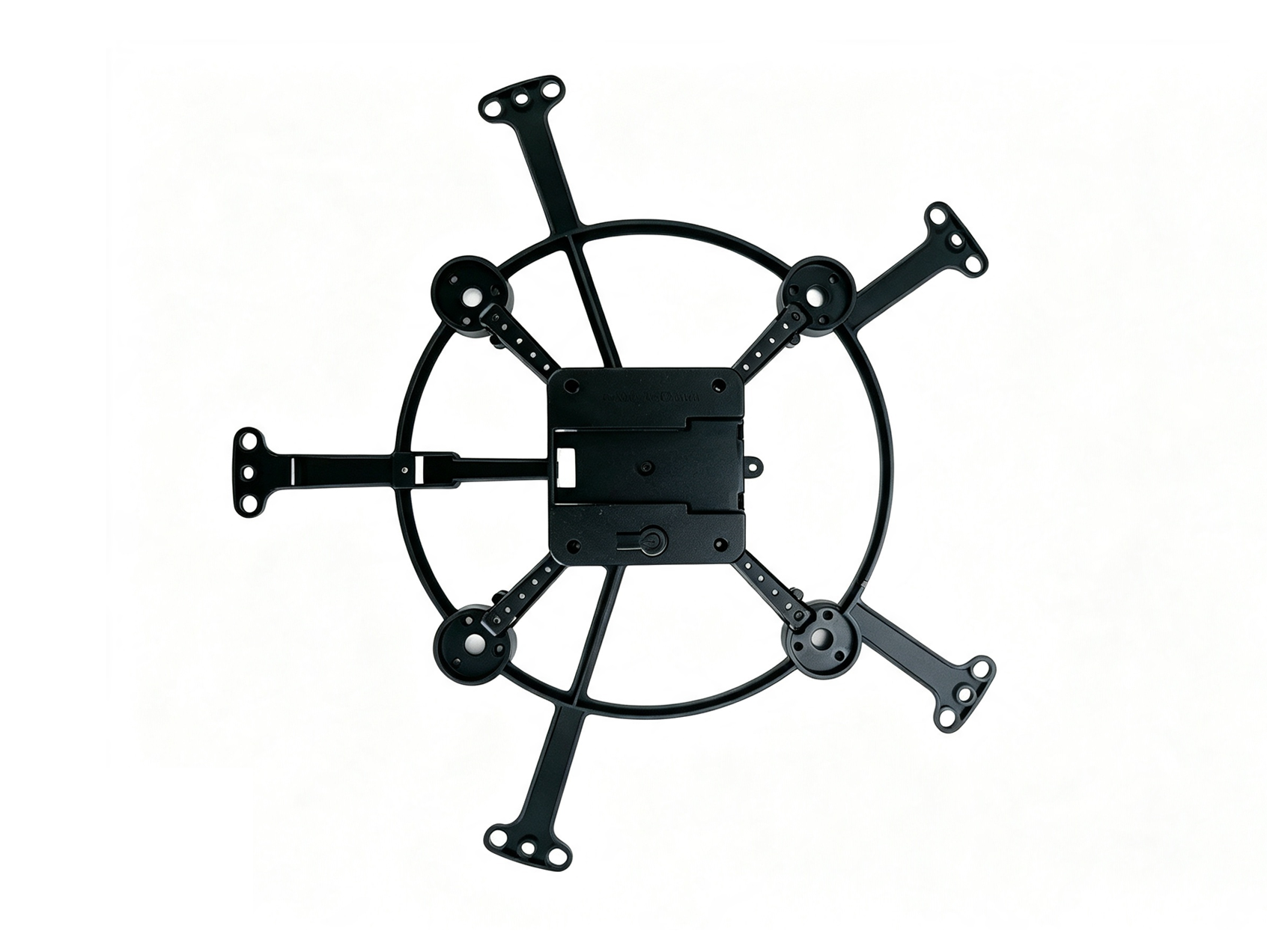
Impact-resistant poly-composite base plate architecture engineered for F1A drone soccer competitive leagues, junior STEM robotics competitions, and high-velocity aero-mechanical learning.
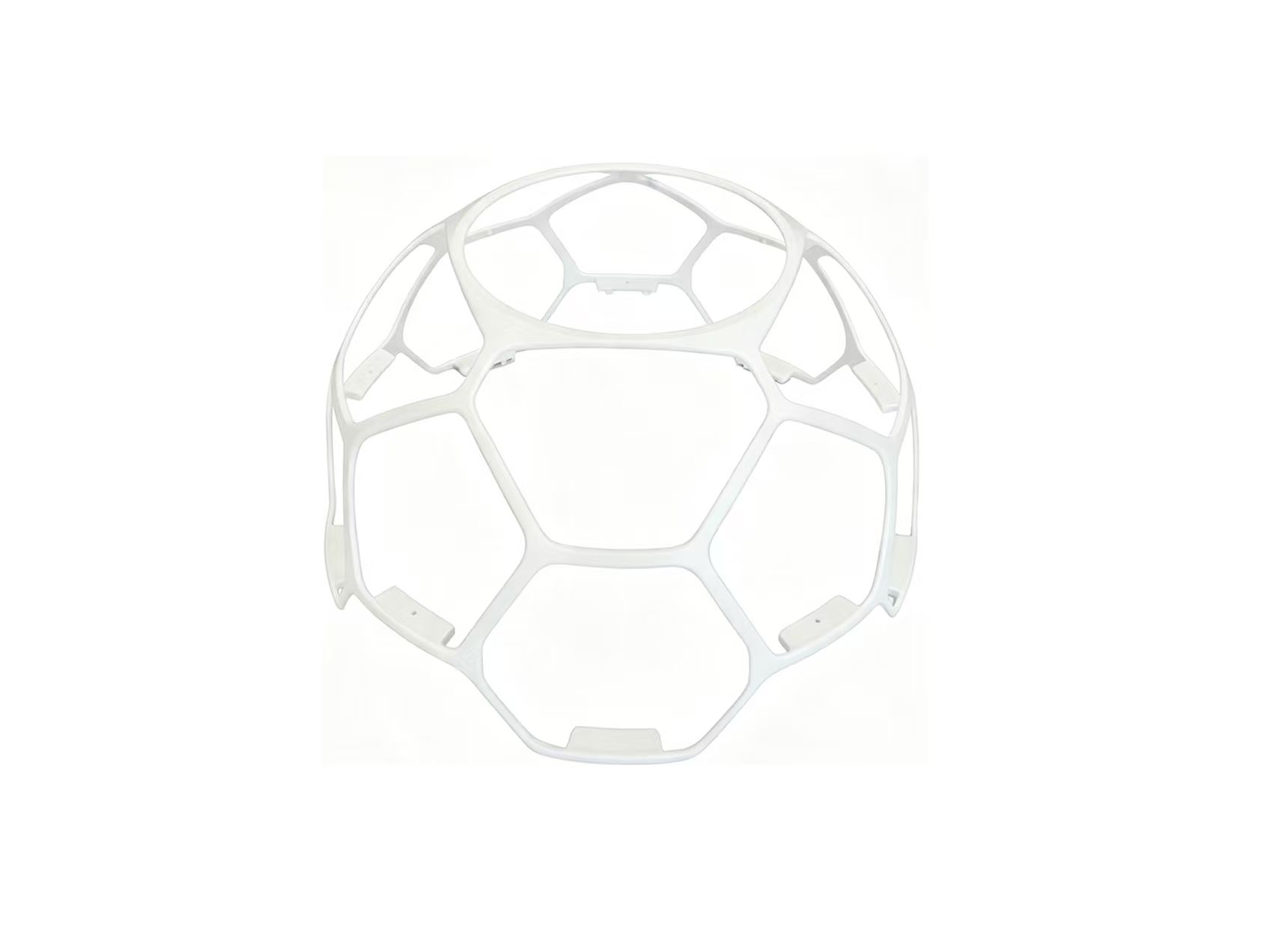
Flexible 360-degree protective exoskeleton designed for pediatric STEM educational clubs. Protects internal micro-turbines, flight controllers, and motors from high-velocity kinetic collisions.
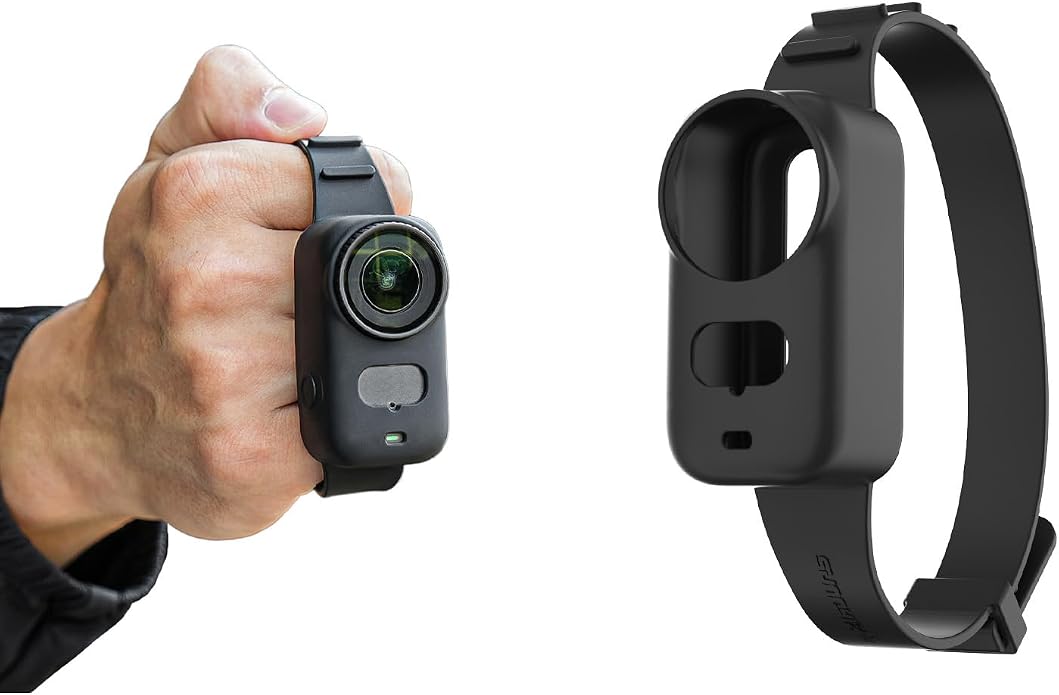
Medical-grade hypoallergenic silicone wrist mount compatible with DJI Osmo Nano action cams. Ideal for youth outdoor STEM field recording, student exploration, and robotics telemetry monitoring.
End-to-end hardware development program from schematics to boxed retail. Includes multi-lingual speech synthesizers, secure cloud proxy infrastructure, and regional data privacy certification compliance.
How Shenzhen's hardware clusters and frontier Chinese foundational LLMs have redefined children's smart hardware from voice-activated toys into sovereign pedagogical companions.
The global toy and juvenile smart hardware sector is experiencing an unprecedented structural transformation. For decades, interactive children's toys were constrained by static ROM architectures: pre-recorded microchip phrases, rudimentary keyword matching, and rudimentary infrared sensors. These legacy devices possessed zero contextual memory, could not parse children's incomplete grammatical queries, and offered an engagement half-life measured in days.
The advent of generative artificial intelligence and high-efficiency foundational inference models has permanently broken this paradigm. Today, China—and specifically the Shenzhen hardware manufacturing ecosystem—stands as the world epicenter for scalable, compliance-grade educational AI chatbot robots. The concentration of component suppliers, high-precision injection molders, SMT automated facilities, and embedded software engineers has condensed product incubation cycles from 24 months down to under 90 days.
At Shenzhen Mardijai Technology Co., Ltd. (operating since 2013), our platform design philosophy treats the child-facing chatbot not merely as a novelty gadget, but as an integrated edge-cloud computing appliance. The hardware must maintain pediatric acoustic integrity, guarantee physical drop resistance, prevent electromagnetic over-exposure, and strictly isolate biometric voice signatures to meet global consumer expectations.
Critical technological innovations steering the next decade of conversational educational hardware, from multi-LLM orchestration to zero-knowledge edge security.
Modern educational robots cannot rely on a single monolithic cloud LLM due to unpredictable network latencies and geographic API blocking. Next-generation architectures employ dynamic model orchestration across platforms such as DeepSeek, Doubao, and Qwen.
By routing linguistic, arithmetic, and creative storytelling prompts to specialized fine-tuned models, robots achieve a Time-to-First-Token (TTFT) under 650 milliseconds, maintaining fluid, human-like voice banter essential for capturing pediatric attention spans.
Children exhibit unique acoustic characteristics: higher fundamental pitch frequencies (F0 > 250Hz), non-standard phoneme pronunciation, irregular cadence, and unpredictable speech initiation. Standard adult ASR engines fail over 35% of pediatric utterances.
Factories are integrating dedicated DSP-driven Acoustic Front-End chips featuring Far-Field Beamforming, Acoustic Echo Cancellation (AEC), and custom pediatric phoneme acoustic models trained specifically on juvenile voice corpuses.
Parental concern over AI safety and sovereign data extraction is paramount. Future-ready educational chatbots leverage hardware-enforced sandbox environments. Raw audio is converted to encrypted text representations via ephemeral tokens, with biometric voice profiles instantly purged from cache.
Multi-layered systemic guardrails filter toxic content, hallucinated claims, and unsafe suggestions before text-to-speech synthesis occurs, fulfilling strict regulatory mandates including US COPPA, EU GDPR-K, and China's CAC Juvenile Protection Regulations.
Historically, Wi-Fi tethering friction accounted for over 42% of customer returns in the connected toy segment. Complicated 2.4GHz vs 5GHz home routing credentials frequently caused devices to become offline bricks.
By engineering low-power 4G LTE Cat.1 modem modules directly alongside Wi-Fi, robots operate seamlessly right out of the retail box. Whether in suburban homes, parks, or during automotive transit, interactive conversational learning proceeds uninterrupted.
Voice-only chatbots generate significant cognitive fatigue for children under 10 years old. The convergence of bright IPS touch displays with speech UI provides visual grounding—displaying animated character expressions, interactive STEM diagrams, and phonetic spelling guides.
Emerging models incorporate micro CMOS cameras for Vision-Language-Action (VLA) features, enabling the chatbot to "read" illustrated storybooks, identify real-world physical objects, and evaluate handwritten arithmetic homework.
Essential macroeconomic and operational directives for consumer electronics importers, educational content publishers, and enterprise brand distributors.
Traditional retail models predicated on one-off hardware margins are transitioning into recurring SaaS and consumable token frameworks. International buyers are actively negotiating hybrid purchase contracts: acquiring the physical robotics hardware at competitive manufacturing cost, while bundling white-labeled cloud subscription tiers that grant children access to premium curriculum packs, foreign language coaching, and parental analytics dashboards.
Tier-1 global retailers (e.g., Target, Walmart, Fnac Darty) enforce exhaustive supply chain traceability. Sourcing teams are mandating the elimination of secondary phthalate plasticizers and non-recyclable composite resins. Top China factories now deploy food-grade virgin ABS housings, compliant non-volatile UV coatings, and certified unibody battery enclosures that withstand drop tests from 1.5 meters onto solid concrete.
A major pitfall in international smart robot procurement is radio frequency mismatch. 4G-enabled smart robots require distinct baseband configurations for North American bands (B2, B4, B12, B66, B71) versus European/Asian deployments (B1, B3, B7, B8, B20). Experienced manufacturers maintain pre-certified RF schematics, expediting FCC, CE-RED, PTCRB, and GCF approvals without requiring ground-up antenna redesigns.
With shifting geopolitical tariff regimes, enterprise buyers prioritize manufacturers capable of structuring transparent Incoterms. Shenzhen Mardijai operates directly from the maritime hub of Yantian Port, providing complete DDP (Delivered Duty Paid) and DAP (Delivered at Place) solutions to streamline complex customs clearances, lithium battery transport filings (UN38.3, MSDS), and regional safety audits.
| Evaluation Parameter | Tier-1 Factory Standard (Mardijai Benchmark) | Common Trading Company / Subcontractor Risks |
|---|---|---|
| LLM Integration & API Control | Direct multi-model SDK integration (DeepSeek, Doubao, Qwen) with customizable client API keys and latency optimization. | Hard-coded third-party consumer apps with zero source code access and high latency over generic proxy relays. |
| Hardware Customization (ODM) | In-house PCB layout, antenna RF matching, acoustic cavity chamber tuning, tooling injection, and firmware customization. | Off-the-shelf whitebox rebranding limited to silk-screen exterior logos and rudimentary packaging boxes. |
| Quality Assurance & QC Staff | Dedicated in-line team of 11-20 certified inspectors conducting 100% functional, acoustic, RF, drop, and thermal aging audits. | Random spot checks or secondary outsourced third-party audits with high defect rates in field deployments. |
| Lead Times & Supply Resilience | Predictable ~20-day production turnaround for standard repeat volumes; rapid pilot runs supported. | Volatile 45-75 day delivery windows with recurring sub-tier component shortages and unannounced BOM modifications. |
| Global Regulatory Conformance | Documented test files for CE, FCC, RoHS, REACH, ASTM F963, EN71, CPSIA, and international SAR safety standards. | Forged or generic certificates borrowed from third-party component suppliers, risking port seizure. |
Established in 2013, we unite advanced embedded computing, multi-agent AI orchestration, and high-precision manufacturing under one roof in Shenzhen, China.
Headquartered at Building A, Feiyang Building in Shenzhen, Mardijai has spent over a decade cultivating deep technical mastery across consumer electronics, smart robotic toys, and wireless communication hardware. Our facility spans over 2,000 square meters of dedicated R&D laboratories, dust-free assembly lines, and acoustic testing chambers.
Unlike trading intermediaries, our internal engineering roster comprises 21 to 30 senior hardware, firmware, and AI system specialists. We develop our own PCB architectures, optimize embedded power consumption curves, tune high-fidelity acoustic chambers, and manage custom Android/RTOS system ROMs tailored for pediatric interaction.
Custom agent prompts, localized educational knowledge graphs, and rapid model routing.
High-speed automated SMT lines and agile plastic injection tooling for fast market delivery.
Spectral testing of ABS resins, battery internal resistance validation, and silicon chip screening.
Automated Optical Inspection of every solder joint on central processing and RF communication boards.
Anechoic chamber microphone sensitivity alignment, speaker THD testing, and wireless signal calibration.
Thermal chamber cycling (-20°C to +55°C), high-humidity soaking, and multi-angle kinetic tumble tests.
100% firmware burn-in validation, touch panel touch-deadzone audit, and aesthetic scratch inspection.
Direct answers addressing technical specifications, intellectual property protection, regulatory safety, and international supply chain operations.
For pre-production functional prototypes and standard OEM customization samples (logo, boot screen, custom packaging), delivery is typically accomplished within 7 to 10 working days. For standard mass production orders, our factory turnaround is approximately 20 days following final sample sign-off and specification freeze. Complex ODM engineering projects involving custom plastic injection mold creation and bespoke PCB architectures require an initial 45 to 60 days for tooling and validation prior to mass manufacturing runs.
Our system architecture is modular and API-agnostic. While our domestic platforms operate seamlessly with DeepSeek, Doubao, and Qwen, we configure our international ODM builds to communicate with regional enterprise endpoints including OpenAI (GPT-4o-mini), Microsoft Azure AI, or localized regional models based on customer preference. All cloud routing traverses dedicated client proxy gateways configured to prevent data harvesting, ensuring full alignment with US COPPA, EU GDPR-Kids, and regional data sovereignty frameworks.
Our flagship Zibby platform features dual connectivity: supporting high-speed 2.4GHz/5GHz Wi-Fi alongside integrated 4G LTE SIM cellular capability. When outdoors or away from domestic wireless networks, the robot automatically switches to cellular data. For completely disconnected offline environments, the device contains localized flash memory hosting pre-loaded bedtime stories, offline phonics drills, and basic conversational prompts driven by an on-device micro-language model.
Our OEM Program offers rapid speed to market: private-label buyers can customize the exterior shell colorways, laser-engraved or pad-printed brand logos, customized UI system boot animations, custom wallpaper assets, and fully localized multi-lingual gift boxes and user manuals. Our ODM Program provides ground-up co-development: modifying physical industrial design, developing proprietary hardware features (such as adding secondary camera sensors or projector lenses), custom mechanical robotics, bespoke audio acoustic tuning, and dedicated mobile companion app development.
Our manufacturing workflows adhere strictly to ISO 9001 quality guidelines. MardijAI products are engineered to comply with major international toy safety and electronics standards, including CE (EN71, EN62115, RED), FCC Part 15, RoHS 2.0, REACH, CPSIA, and ASTM F963. All integrated lithium-ion polymer batteries carry certified UN38.3 test reports, IEC 62133 compliance, and complete Material Safety Data Sheets (MSDS) to ensure unhindered global air and ocean freight transit.
We employ a custom dual-microphone linear array coupled with hardware-level digital signal processing (DSP). This architecture isolates speech commands within a 3-meter cone, actively filtering ambient household noises such as television broadcasts and air conditioning hum. Furthermore, our speech engine leverages customized acoustic models tuned specifically for children's higher-pitch frequencies and erratic pauses, improving voice prompt recognition accuracy above 94% under normal ambient conditions.
Shipments originate primarily from our domestic logistics hub at Yantian Port, Shenzhen. We support versatile Incoterms including FOB Shenzhen, CIF, EXW, and comprehensive DDP / DAP services directly to your regional distribution centers. All enterprise hardware purchases are accompanied by a standard 12-month manufacturer warranty, backed by a 1% to 2% complimentary spare parts allotment for high-velocity wear components and dedicated technical engineering support for firmware updates.
Connect directly with Shenzhen Mardijai Technology's engineering and export sourcing directors. Share your target demographic, intended volume, and technical specifications for a formal proposal within 24 business hours.