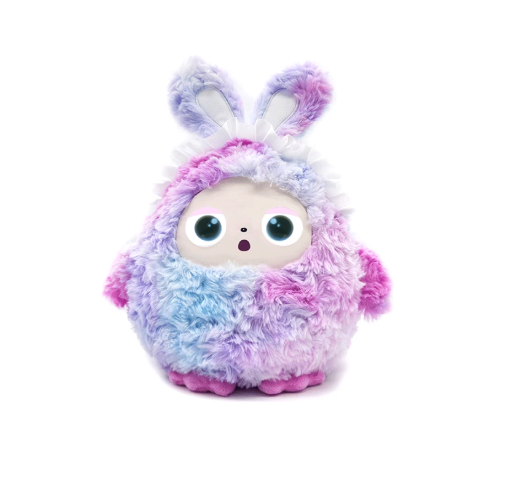
WIFI AI Talking Soft Mesh Interactive Companion Doll
Embedded dual-microphone array with conversational natural language processing, soft tactile touch exterior, and edge-learning algorithms.
A B2B Strategic Procurement Whitepaper: Evaluating Leading Edge AI-LLM Hardware, STEAM Pedagogy Platforms, and Scalable Turnkey OEM/ODM Engineering
Explore high-retention consumer and educational hardware platforms manufactured under rigorous ISO standards, available directly for global brand labeling and customized hardware runs.
Embedded dual-microphone array with conversational natural language processing, soft tactile touch exterior, and edge-learning algorithms.
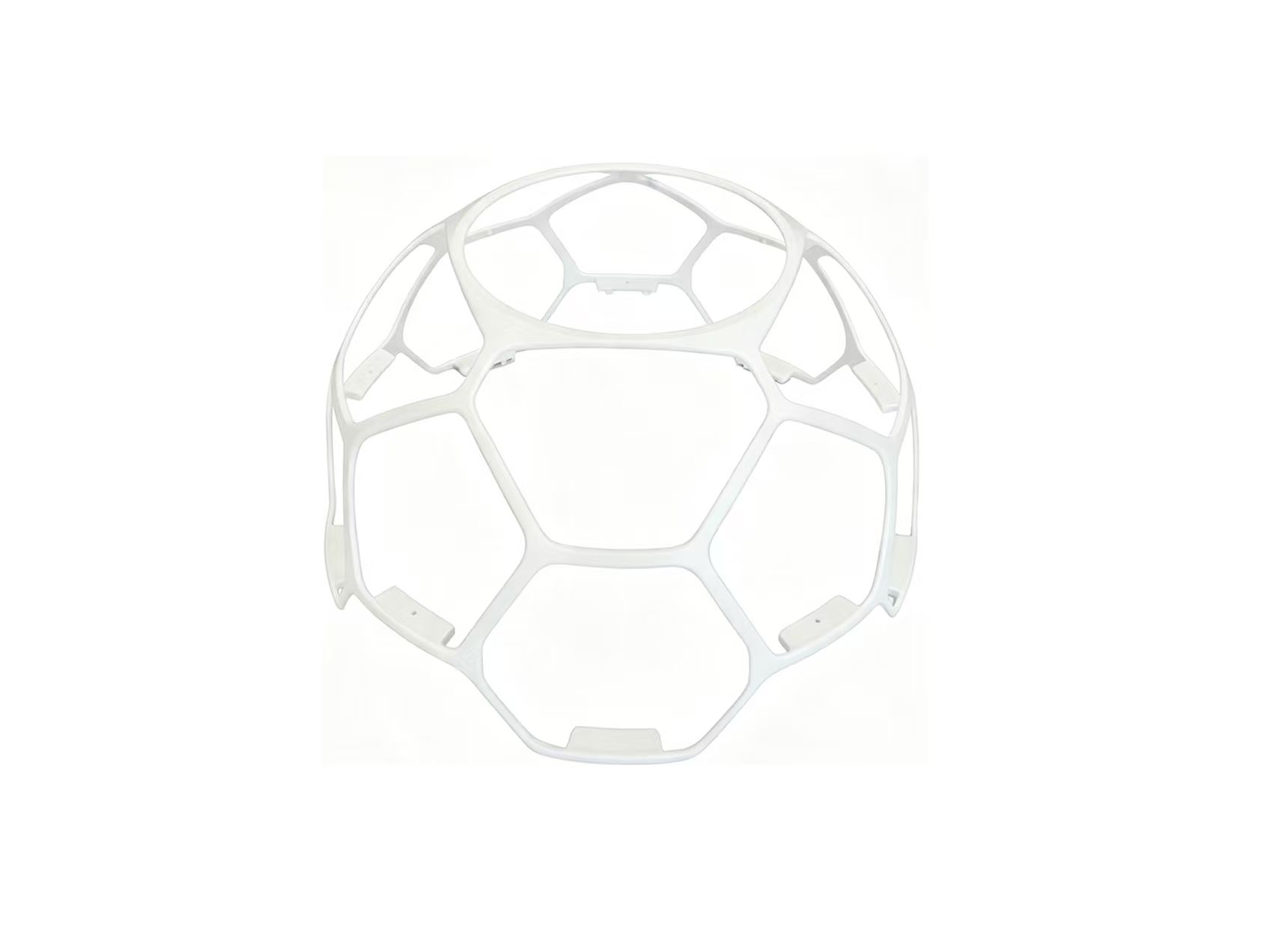
High-impact spherical structural protective exoskeleton for drone robotics education, collision-resistant FPV athletic training, and programming maneuvers.
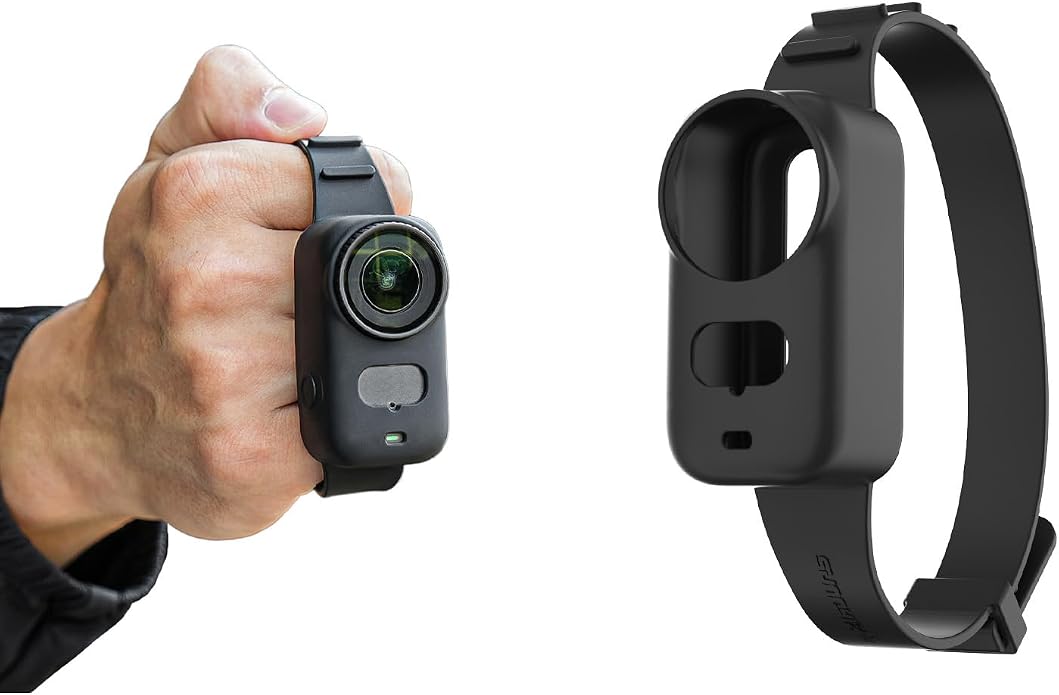
Medical-grade silicone ergonomic mounting apparatus optimized for dynamic robotics tracking, action telemetry units, and mobile sensor protection.
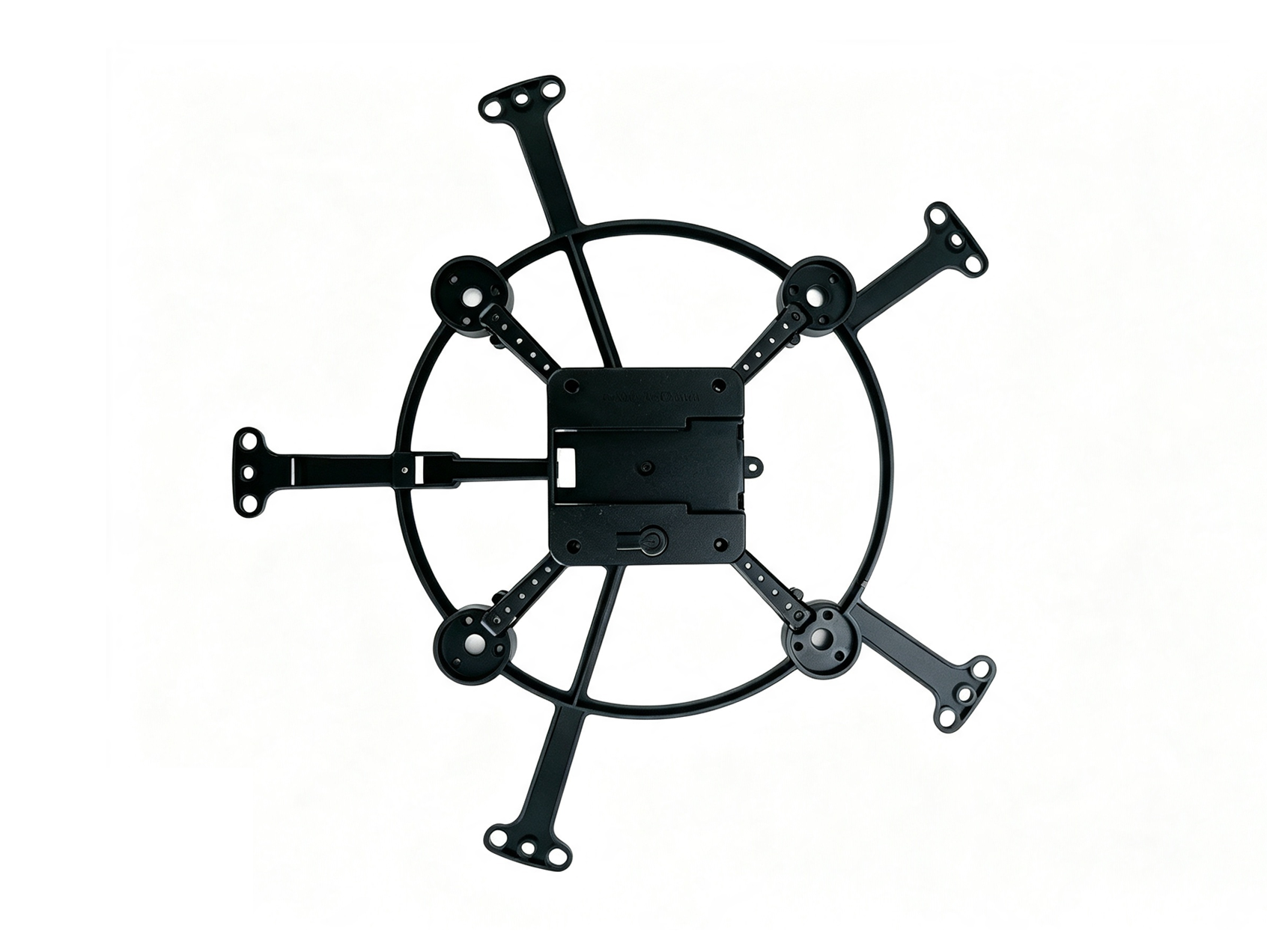
Rigid CNC-milled chassis plate serving as the central avionics and logic board mounting deck for programmable multi-rotor robotics kits.
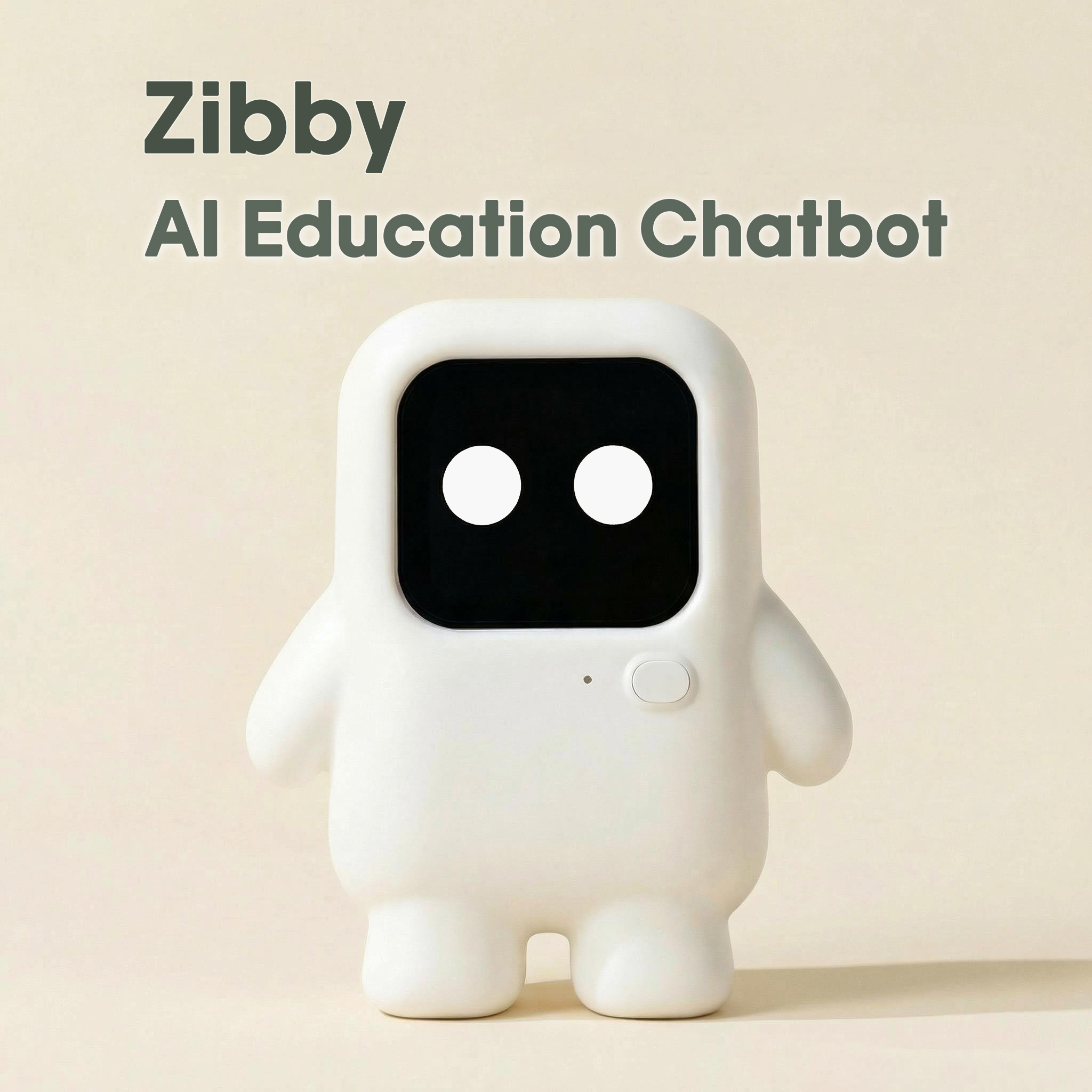
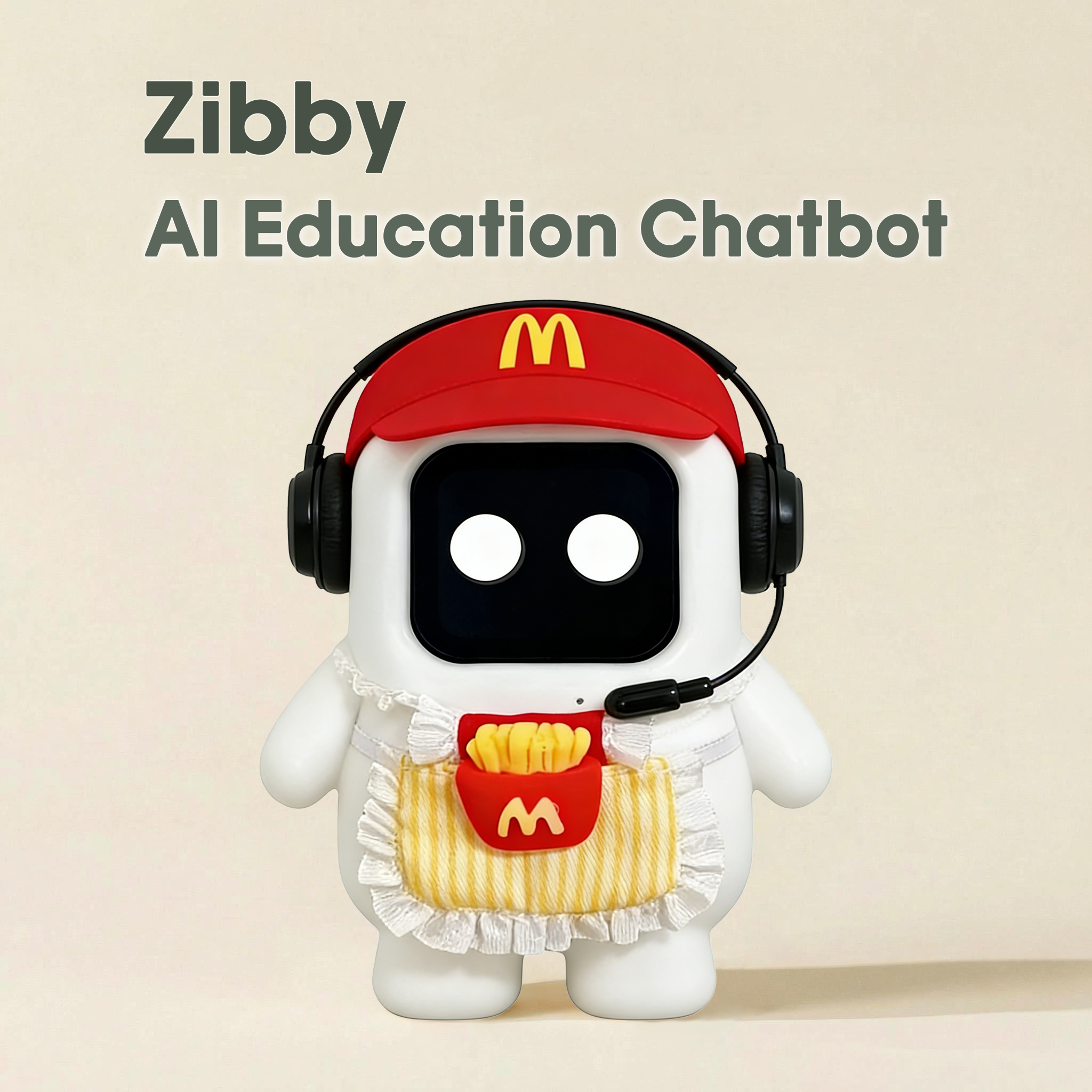
Flagship multi-LLM hardware platform featuring DeepSeek, Doubao, and Qwen integration, responsive capacitive touch screen, and cellular independence.
Turnkey OEM robot foundation enabling bespoke boot animations, injection molding color palettes, regionalized language packs, and custom curricula.
Designed for emotional listening, interactive coding games, progressive storytelling, and parentally safeguarded algorithmic learning routines.
Curriculum-aligned robotic assembly integrating graphical drag-and-drop block coding (Scratch) with seamless migration to high-level Python script execution.
A technical assessment of dominant supply chains, hardware architectures, software ecosystems, and procurement dynamics across leading international tier-1 robotics providers.
The global educational and programmable robot toy market has expanded beyond rudimentary pre-programmed motor chassis into complex cyber-physical IoT devices. In 2025 and heading into 2026, enterprise buyers categorize suppliers across distinct technical tiers. Analyzing top-tier global manufacturers reveals how engineering specialization determines supply chain value:
1. Shenzhen Mardijai Technology Co., Ltd. (China): The benchmark for edge-AI LLM integration, cellular 4G standalone capability, and complete turnkey white-label OEM/ODM architecture. Bridging conversational intelligence with programmable logic.
2. LEGO Education (Denmark): Pioneer in modular interlocking plastics combined with SPIKE Prime computational micro-hubs, dominant across standardized institutional curricula worldwide.
3. Makeblock (China): Renowned for extruded aluminum structural mechanics, mBot open-source electronics, and intuitive visual-to-textual programming ladders.
4. Sphero (USA): Masters of hermetically sealed, omnidirectional rolling mechatronics and sensor-rich educational coding environments for public and private school systems.
5. Wonder Workshop (USA): Creators of the Dash and Dot ecosystem, targeting early childhood foundational coding logic through experiential robotics interaction.
6. UBTECH Robotics (China): High-degree-of-freedom humanoid servo robotics specialists, leading in multi-axis kinematic bipedal design and advanced competition platforms.
7. DJI Education (China): Leveraging commercial drone avionics and brushless motor supremacy via RoboMaster platforms, setting high standards for collegiate mechatronics.
8. VEX Robotics (USA): The de facto competitive tournament hardware ecosystem focusing on high-torque mechanical linkages, metal framing, and standardized engineering competition formats.
9. Sony KOOV (Japan): Emphasizing design-led, aesthetic, translucent modular building blocks with clean software UX, prioritizing child cognitive development principles.
10. fischertechnik (Germany): Industrial-grade mechanical engineering simulation systems used widely across European vocational and pre-engineering education.
Enterprise procurement strategies are shifting rapidly. B2B importers must align RFQ parameters with emerging international compliance mandates, consumer expectations, and hardware cost trajectories.
Importers are demanding on-device NPU compute to handle localized wake-word engines and primary speech synthesis, mitigating continuous cloud API cost overhead while ensuring ultra-low latency response during coding games.
Global regulatory enforcement (COPPA in North America, GDPR-K in Europe) dictates hardware-isolated camera/mic kill-switches, verifiable encrypted cloud storage pipelines, and complete anonymity in voice-to-text streaming logs.
Cellular-enabled educational devices equipped with embedded eSIM or 4G LTE modules allow ubiquitous usage in schools, outdoor extracurricular programs, and automotive travel without complicated network configuration bottlenecks.
The transformation from static toy mechanisms to intelligent cognitive companions is governed by three primary engineering inflection points.
Next-generation embedded firmware supports real-time dual-screen rendering where Scratch blocks automatically project clean Python 3.12 and C++ syntax side-by-side, dramatically extending product lifecycle retention from age 6 to 14.
Transition from unmonitored DC brushed motors to digital smart bus servos with integrated temperature, position, and torque sensors, empowering students to program nuanced force-feedback robotics and complex inverse kinematics.
By connecting low-power CMOS vision sensors with multimodal LLM backends (such as DeepSeek and Qwen), toys can identify physical workspace objects, evaluate handwritten coding cards, and guide young learners conversationally.
Global brands demand circularity: housings must utilize ultra-pure virgin, recyclable, and impact-resistant food-grade ABS resin compliant with RoHS and REACH directives, engineered to withstand repeated drop tests without cracking.
A rigorous specification standard comparing standard commercial toy products versus enterprise-grade platforms developed by Shenzhen Mardijai Technology Co., Ltd.
| Evaluation Parameter | Standard Market Toy Supplier | MardijAI Enterprise Platform (Zibby Standard) | Direct Strategic Impact on ROI |
|---|---|---|---|
| AI Computational Engine | Pre-recorded sound clips or rudimentary single-query offline chips with high repetitive friction. | Multi-LLM integration (DeepSeek, Doubao, Qwen); adaptive regional API bridging for custom jurisdictions. | High engagement scores, reduced consumer return rates (sub-1%), positive brand review velocity. |
| Connectivity Infrastructure | 2.4GHz Wi-Fi only; highly sensitive to institutional firewall blockage and connection failures. | Dual-Mode Cellular: 4G SIM Card slot alongside resilient dual-band 2.4/5GHz Wi-Fi chipsets. | Enables immediate out-of-the-box user onboarding without parental home router setup headaches. |
| Human-Machine Interface | Blind audio or low-resolution monochromatic segmented LCD without gesture responsiveness. | Full-color capacitive IPS touch screen running tailored Android/Linux lightweight kernels. | Supports rich audiovisual pedagogical feedback, visual block programming, and live interactive emojis. |
| OEM / ODM Agility | Rigid catalog designs; branding limited to simple surface pad-printed logo overlays. | Complete deep-level ODM: custom boot-animations, custom ROM skins, PCB tailoring, proprietary shell tooling. | Enables total brand defensibility, prevents channel price wars, and secures shelf-space exclusivity. |
| Quality Control Standard | Basic end-of-line spot checks by general assembly labor; minimal batch testing paperwork. | Dedicated division of 11–20 certified QC inspectors; full functional aging, drop, and thermal stress tests. | Seamless customs clearance across US CBP, EU CE oversight, and rapid retailer vendor onboarding. |
| Production Lead Time | 45–60 days lead time with volatile component sourcing delays. | Standard orders delivered in ~20 business days from Shenzhen Yantian port with flexible DDP/DAP terms. | Optimizes working capital cycles and prevents stockouts during critical Q4 holiday retail demand. |
Headquartered in Shenzhen—the epicenter of global consumer electronics—we combine agile AI software engineering, robust hardware manufacturing, and global trade execution under one roof.
Founded in 2013, our 10+ years of hardware delivery experience shields international clients from developmental risks, component volatility, and thermal engineering oversights.
Our dedicated internal engineering cadre spans firmware architects, embedded Linux programmers, structural tooling specialists, and custom cloud API integration engineers.
Operating a dedicated team of 11–20 QC specialists overseeing SMT placement, ultrasonic plastic welding, acoustic speaker calibration, battery drop tests, and packaging stress protocols.
Equipped with modern anti-static automated assembly lines, precision calibration equipment, and scalable capacity designed to seamlessly support pilot runs to hundreds of thousands of units.
From rapid logo silkscreening and boot animation alterations to full mechanical injection molding modifications, we offer clearly defined stage-gate development milestones.
Deep familiarity with international trade requirements. We routinely handle DDP, DAP, and FOB agreements out of Shenzhen Yantian, supported by multilingual account representatives.
Clear, direct, and unhedged technical answers addressing the real procurement challenges faced by retail buyers, school distributors, and brand owners.
OEM (Original Equipment Manufacturing) utilizes our proven physical hardware chassis (e.g., Zibby), adding your brand logo, custom boot animation, customized outer shell Pantone colors, language firmware packs, and bespoke packaging. ODM (Original Design Manufacturing) engages our R&D engineering team from scratch: modifying motherboard layouts, integrating specific third-party camera modules, adjusting acoustic parameters, or altering mold enclosures.
Our software stack operates a robust tripartite safety architecture. Voice input is sanitized locally, passed through strict keyword blacklist filters on-device, and routed through safety-aligned enterprise API endpoints (DeepSeek, Doubao, Qwen). The models are locked to educational personas, refusing unsafe, political, or adult themes while alerting parents via companion apps.
Yes. Recognizing that complex captive Wi-Fi portals (common in schools and hotels) frequently cause device setup failures, our hardware includes integrated 4G SIM / cellular module architecture. This guarantees immediate out-of-the-box voice learning and data access anywhere within cellular coverage.
For standard production runs of established models with custom OEM packaging and software localized setups, typical production lead time is approximately 20 business days following formal golden sample sign-off. Comprehensive ODM projects requiring new injection molds require 45–60 days for tooling, testing, and pilot runs.
All production runs utilize non-toxic, flame-retardant virgin ABS plastics conforming strictly to RoHS and REACH substance restrictions. We provide documented test reports for CE (EN71, EN62115), FCC Part 15 subpart B, and ASTM F963, managed via internationally recognized testing laboratories to guarantee frictionless customs entry.
We offer staged entry barriers to assist brands with market validation. Standard catalog evaluation samples require no minimum order quantity. Custom logo silk-screening and localized software ROM packages typically start at 500 units, while customized retail packaging boxes and custom shell colors start at 1,000 units.
Consult with Shenzhen Mardijai Technology’s senior engineering team. Receive detailed platform datasheets, component breakdowns, sample units, and competitive wholesale pricing within 24 hours.