Enterprise Drone Soccer Equipment & Avionics Hardware
Manufactured according to official international drone soccer technical guidelines: high burst-to-weight balance, multi-axis resilience, and modular maintenance architectures.
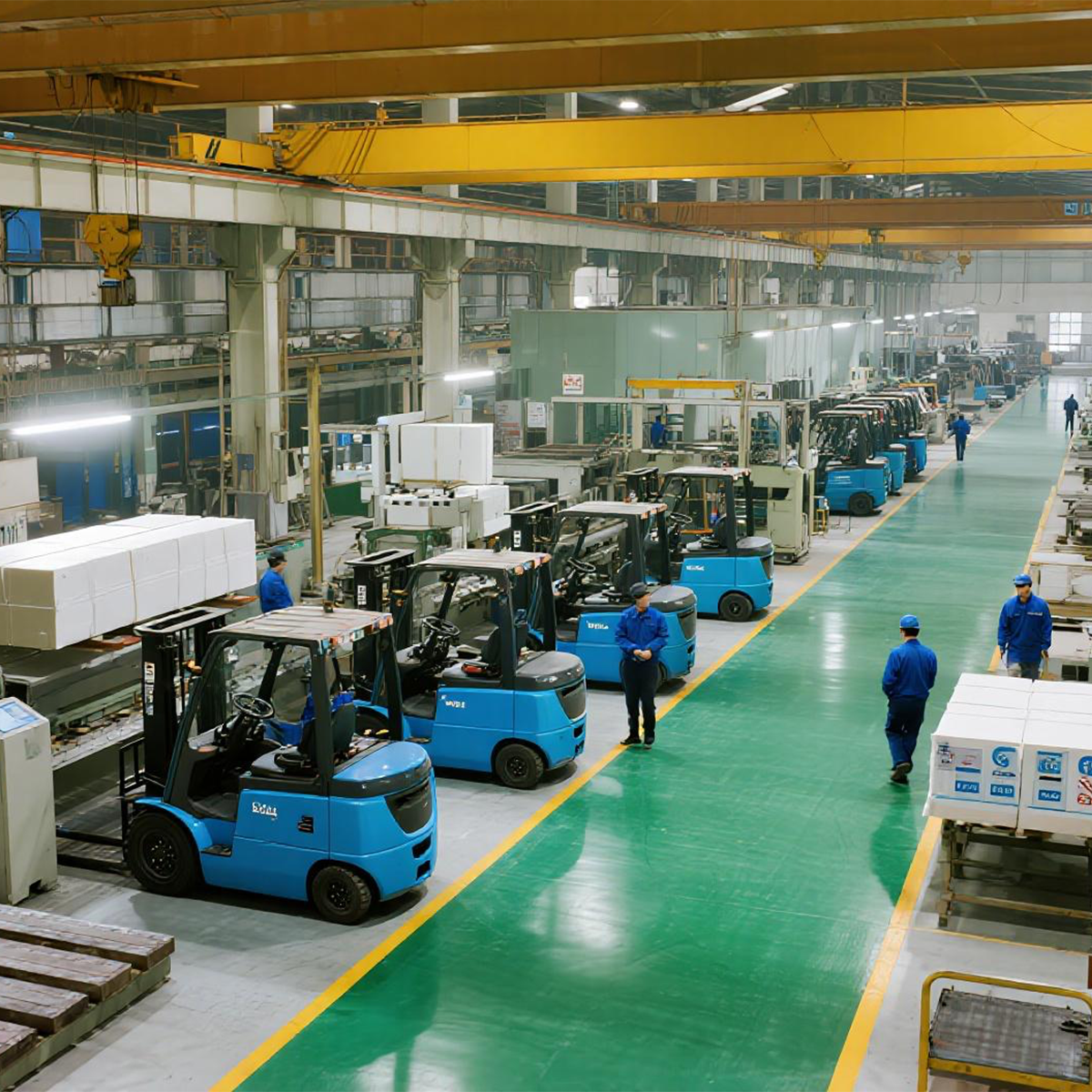

Global Drone Soccer Manufacturing Standards & Industry Landscape
In-depth engineering analysis on polymer elasticity, aerospace-grade composite tolerances, and the strategic evaluation metrics defining the world's top drone soccer manufacturing facilities.
Drone soccer—governed internationally by the Federation of International Drone Soccer Association (FIDA) and acknowledged under the World Air Sports Federation (FAI)—represents one of the most explosive intersections of high-kinetic electronic athletics, aerospace modeling, and secondary/tertiary STEM engineering education. Unlike traditional aerial consumer quadcopters or standalone FPV racing drones, competitive drone soccer presents an entirely distinct mechanical stress profile. Vehicles operate within a confined 360-degree enclosed mesh arena, engaging in full-contact kinetic ramming at velocities exceeding 60 kilometers per hour. For professional procurement directors, municipal athletic associations, and educational wholesalers, choosing the right production partner is not merely a pricing calculation—it is a mission-critical evaluation of metallurgical precision, polymeric elasticity science, dynamic thrust calibration, and regulatory batch tracking.
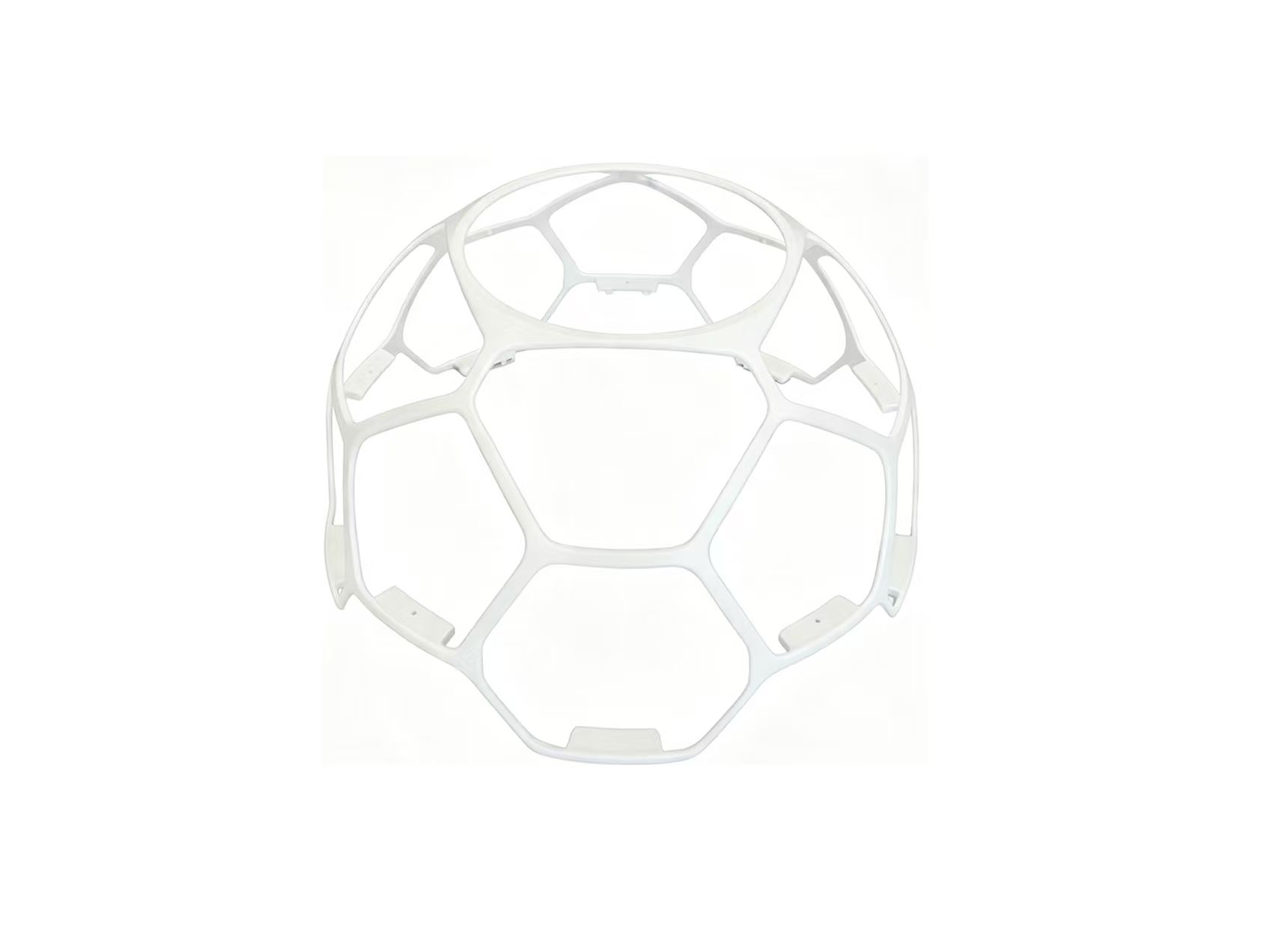
The core structural engineering challenge lies within the spherical exoskeleton cage. Standard ABS plastics fail rapidly under high-strain cyclic shear; they fracture brittlely along injection molding weld lines when subjected to multi-axis impacts. Tier-1 manufacturing enterprises overcome this material threshold by formulating specialized modified polyoxymethylene (POM), polycarbonate-nylon blended matrices, and ultrasonic-welded interlocking ribs. These components undergo finite element analysis (FEA) to disperse kinetic force across 20 to 32 interconnected nodes, directing impact away from the central avionics bay while preserving aerodynamic intake volume.
Below is a comparative breakdown of the operational and technical capabilities across the top manufacturing ecosystems globally, evaluating precision manufacturing, electronics integration, and volume stability.
| Manufacturer Classification | Core R&D Competencies | Typical Materials Applied | Avionics Integration Level | OEM/ODM Lead Time | Procurement Suitability |
|---|---|---|---|---|---|
| Shenzhen Tier-1 Integrated Factory (e.g., MardijAI / Partner Ecosystem) | Full-stack injection tooling, carbon fiber CNC, in-house SMT avionics lines, RF test chambers | Custom POM/PC-Nylon, 3K/T700 Carbon Fiber, Medical Silicone, Aviation Aluminum | Plug-and-play F4/F7 FC, 4-in-1 BlHeli_S/32 ESC, ELRS/TBS telemetry, programmable RGB LED matrix | 15–20 Calendar Days (Standard Bulk) | Optimal: Tournament & STEM |
| Boutique FPV Workshop / Craft Assemblers | Small-batch manual assembly, open-source betaflight tuning, 3D printing rapid prototyping | Standard TPU, 3D-printed PLA/PETG, off-the-shelf carbon plates | Fragmented commercial off-the-shelf modules; inconsistent wire harness soldering | 35–50 Days (Capacity Constrained) | Niche Custom Prototyping |
| Commodity Toy Drone Mass Manufacturers | High-cavity injection molding, cost-down brushed/toy brushless motors, generic remotes | Low-grade ABS, recycled polypropylene, basic structural stamped metal | Single-board integrated toy receiver/ESC combos with high signal latency (>35ms) | 25–30 Days (High Minimum MOQs) | Consumer Toy Grade Only |
| Aerospace Composite Specialized Plants | Autoclave vacuum bagging, extreme tensile carbon layups, specialized military UAV parts | Aerospace pre-preg carbon fiber, titanium fastener alloys, honeycomb core sheets | Minimal electronic integration; mechanical framing only, no factory avionics tuning | 60–90 Days (High Engineering Setup) | Over-Engineered / Cost-Prohibitive |
Aerospace Carbon Structural Rigidity
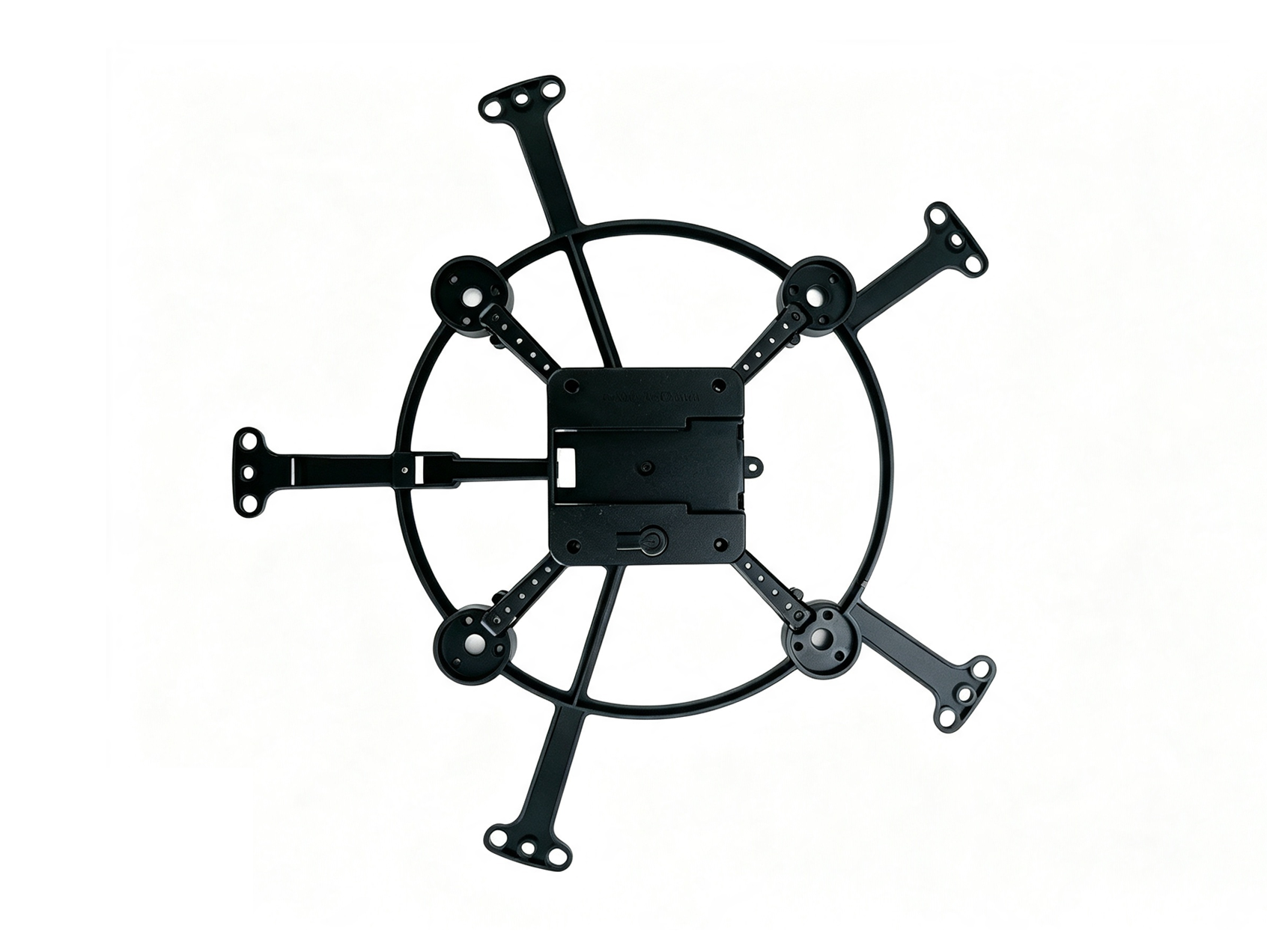
Base plates machined from authentic Toray 3K quasi-isotropic carbon fiber laminates. Controlled fiber orientation eliminates motor resonance and dampens parasitic high-frequency vibrations before reaching the gyroscope sensors.
Ultrasonic Multi-Rib Energy Absorption
Exoskeleton outer shells feature computerized snap-and-weld geometry that dissipates kinetic deceleration over milliseconds. The structural design isolates the center battery core and electronic speed controllers during heavy impacts.
Turnkey SMT & RF Telemetry Integration
Full support for sub-millisecond protocol standards including ExpressLRS (ELRS 2.4GHz / 915MHz) and dual SPI bus architectures. Multi-color 360-degree high-lumen programmable LED strips provide immediate field visual arbitration.
Upcoming Trends in Drone Soccer Equipment Procurement
Key technological inflections shaping bulk purchase tenders, institutional curricula, and international competitive sports logistics through 2026–2030.
Autonomous Goal Scoring & RFID Telemetry
Manual referee goal reporting is rapidly phasing out. Municipal and collegiate leagues now require factory-integrated optical break-beam infrared sensors paired with drone-mounted active RFID transponders for automated, millisecond-accurate match scoring.
Toolless Quick-Release Cage Modules
Maintenance downtime during competitive matches is a major operational challenge. The industry is moving toward toolless quarter-turn locking ring assemblies, enabling pit crews to swap damaged propulsion arms or batteries in under 45 seconds.
AI STEM Curriculum & Simulator Integration
Institutional buyers require integrated training solutions. Procurement contracts now demand standardized USB-C interface simulator connectivity and companion software, allowing students to train flight physics virtually before entering the physical arena.
Enterprise Advantages: Shenzhen Mardijai Technology Co., Ltd.
Combining tenured electronics engineering, precision tooling, and streamlined supply chain logistics to deliver verified, high-performance competitive sporting hardware.
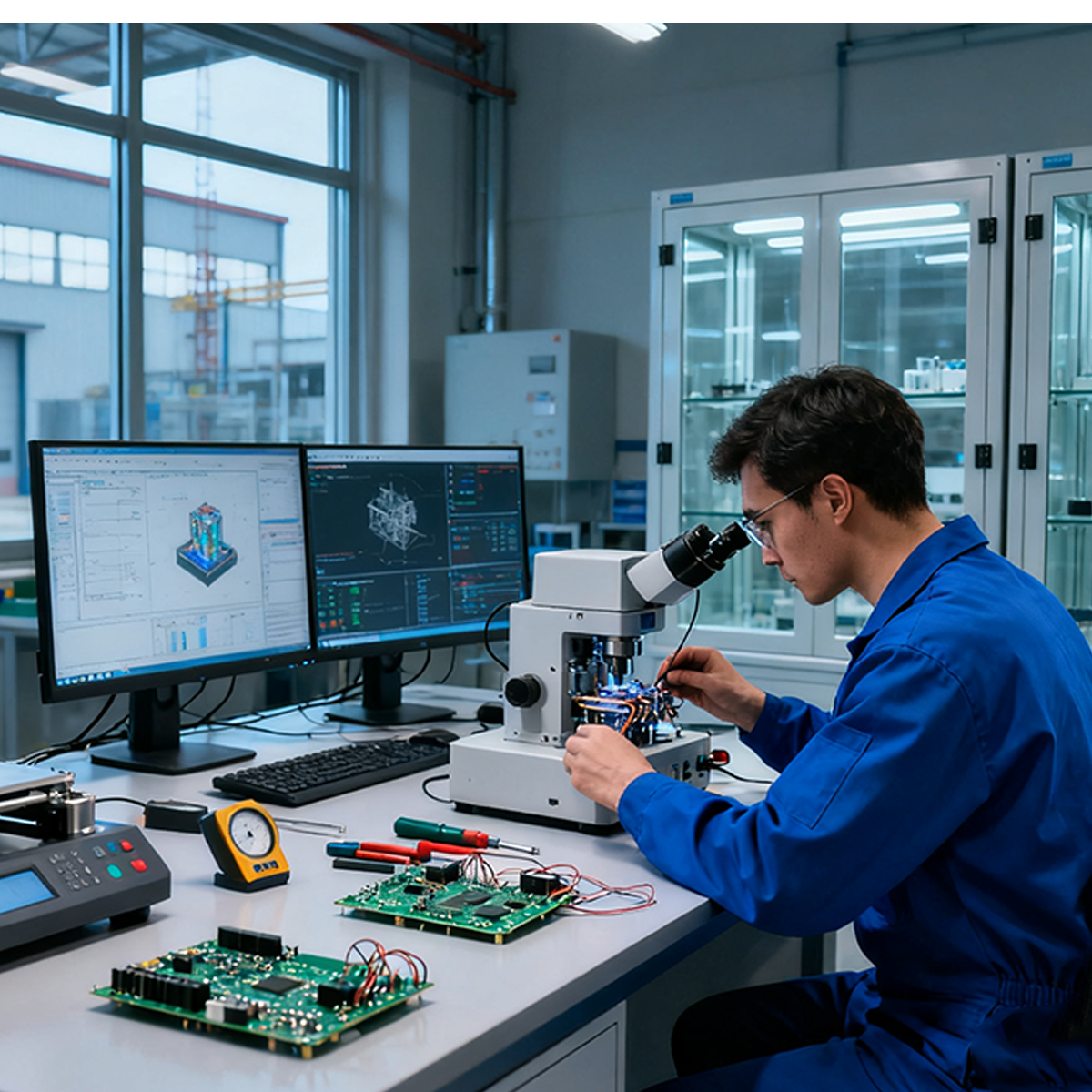
A Decade of Hardware & Embedded R&D (Since 2013)
Headquartered in Shenzhen, the heart of global consumer electronics. Over 2,000 square meters of specialized development space supporting full-cycle prototyping, SMT avionics assembly, and injection molding.
Rigorous Quality Control & Specialized Testing Infrastructure
Equipped with a dedicated team of 11–20 quality inspectors. Every production run undergoes automated drop-tower shock evaluation, multi-axis harmonic vibration tests, and high-temperature battery endurance cycles.
Flexible OEM / ODM & Private-Label Customization
From custom-pantone impact cages and customized team logo boot animations to deep ODM flight controller firmware programming, we adapt our platforms to meet specific brand and tender specifications.
Efficient 20-Day Production Turnaround & Direct Export Support
Standardized bulk orders clear production in approximately 20 days. Direct shipping out of Shenzhen Yantian port with complete DDP and DAP terms minimizes international customs lead times for distributors.
Frequently Asked Questions by Institutional Buyers
Direct technical and logistical clarity addressing minimum orders, regulatory compliance, testing protocols, and customization options for international tenders.
What are the primary differences between Class 20 and Class 40 drone soccer specifications?
How does your factory ensure the impact durability of the spherical cage under sustained match conditions?
What level of OEM/ODM branding customization can be integrated into large-volume shipments?
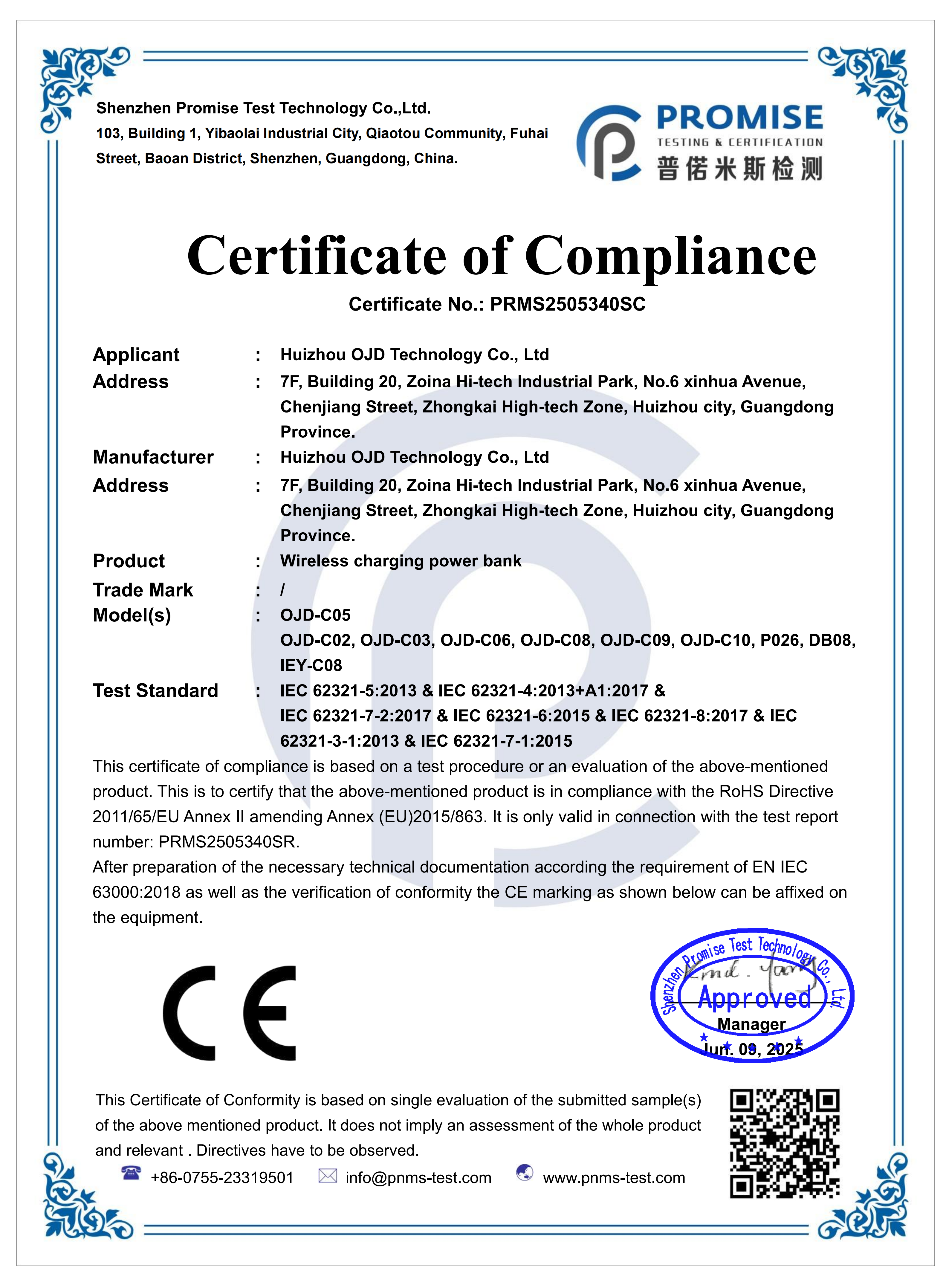
What certifications and export documentation are provided for European and North American customs clearance?
What is the standard manufacturing turnaround time, minimum order quantity, and logistics terms?
Partner with an Established Drone Soccer Manufacturer
Looking to launch a branded league line, fulfill a municipal STEM education tender, or source reliable championship-grade Class 20/40 platforms? Our Shenzhen engineering and logistics team delivers within target timelines.