Featured AI Conversational Systems & Interactive Hardware
Explore production-ready platforms and customizable AI voice-interactive devices engineered for rapid market penetration, compliant with ASTM F963, EN71, FCC Part 15, and COPPA/GDPR-K privacy directives.
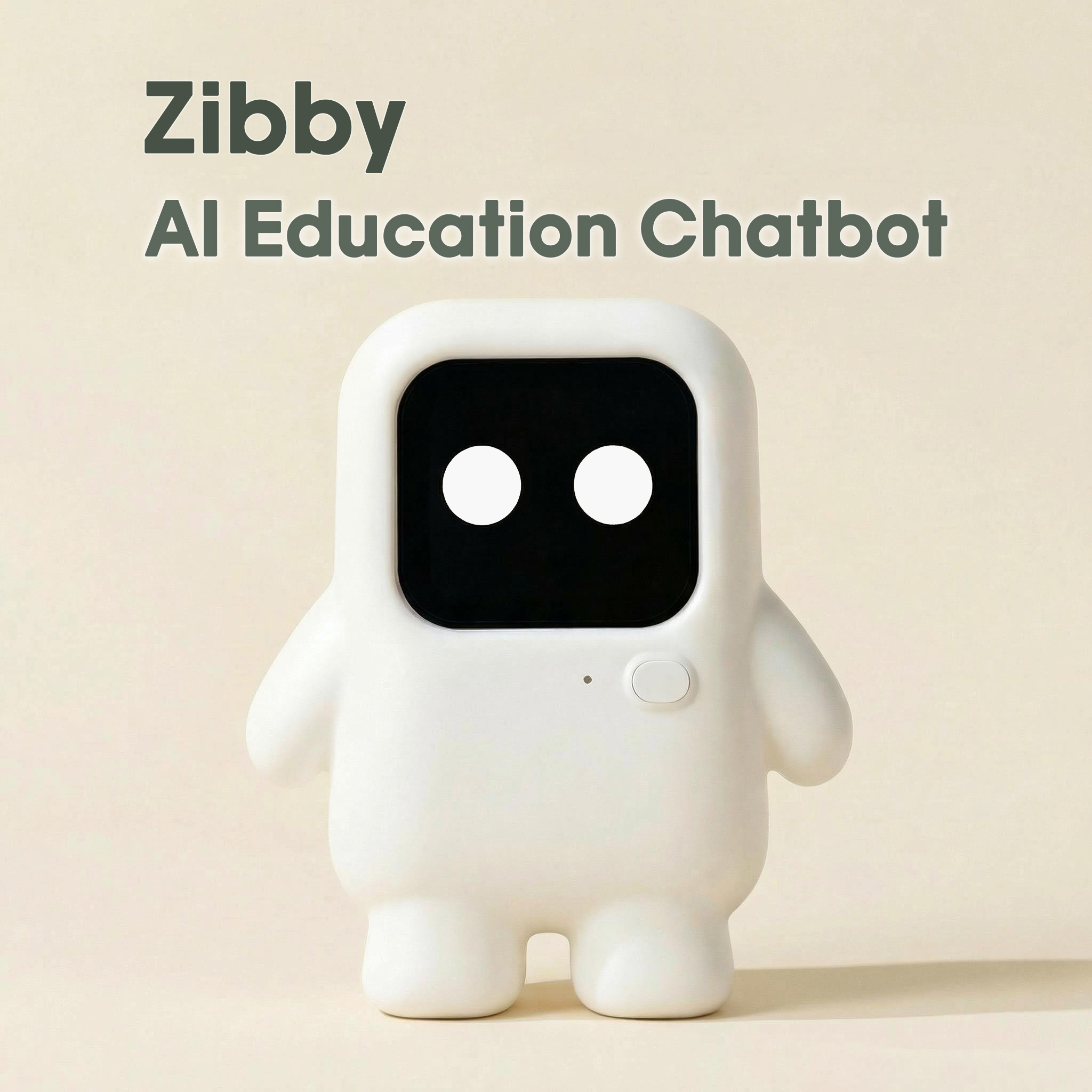
Zibby 4G & Wi-Fi Smart Kids AI Robot
Interactive color IPS touch screen with dual-channel beamforming acoustic arrays and multi-LLM cloud voice processing.

WIFI AI Talking Soft Interactive Plush Toy
Soft tactile mesh lining housing a sealed acoustic sound box with real-time natural language dialogue and emotional listening.
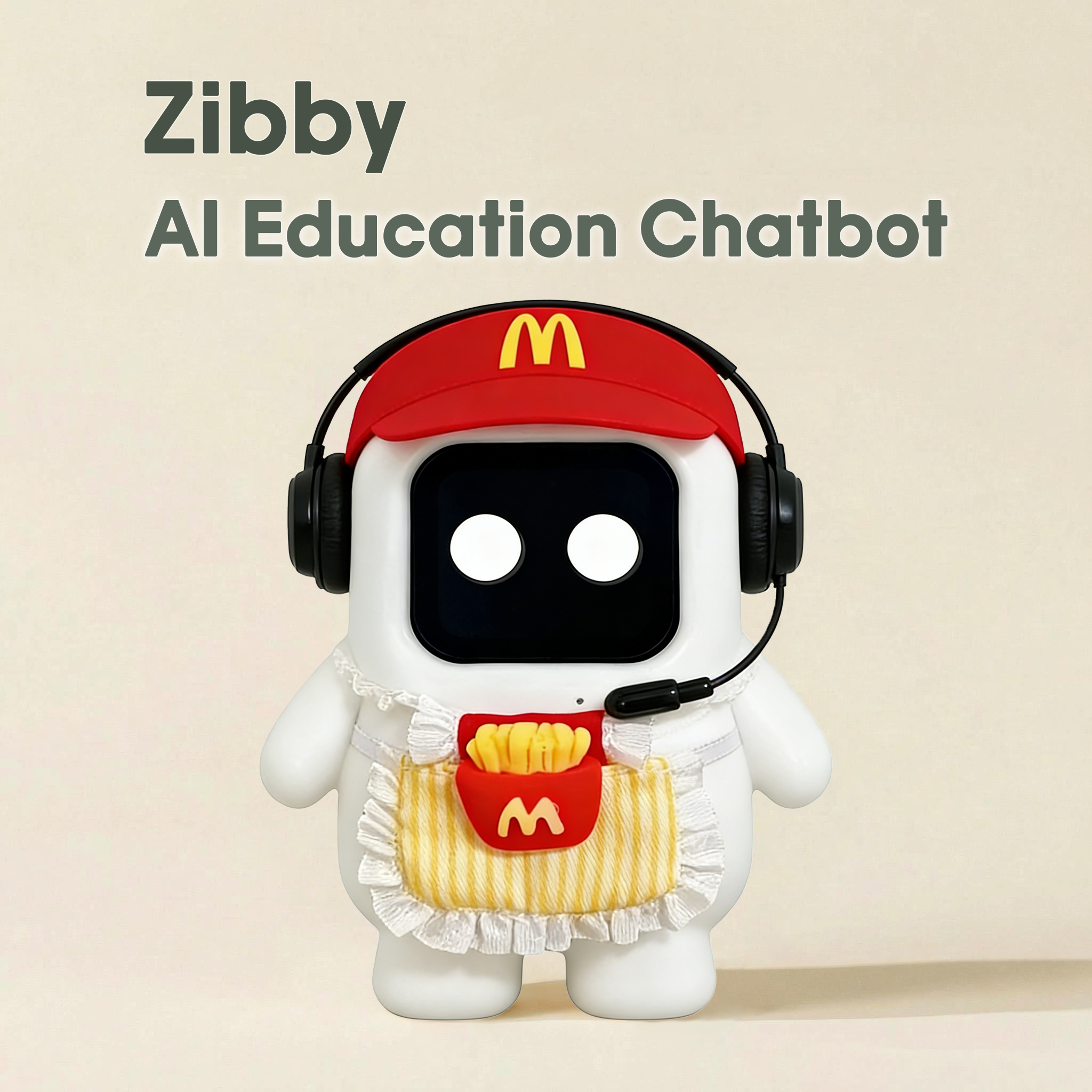
Private-Label Kids AI Voice Robot System
Full OEM customization suite covering housing injection colors, firmware boot animation, localized TTS dialects, and custom packaging.
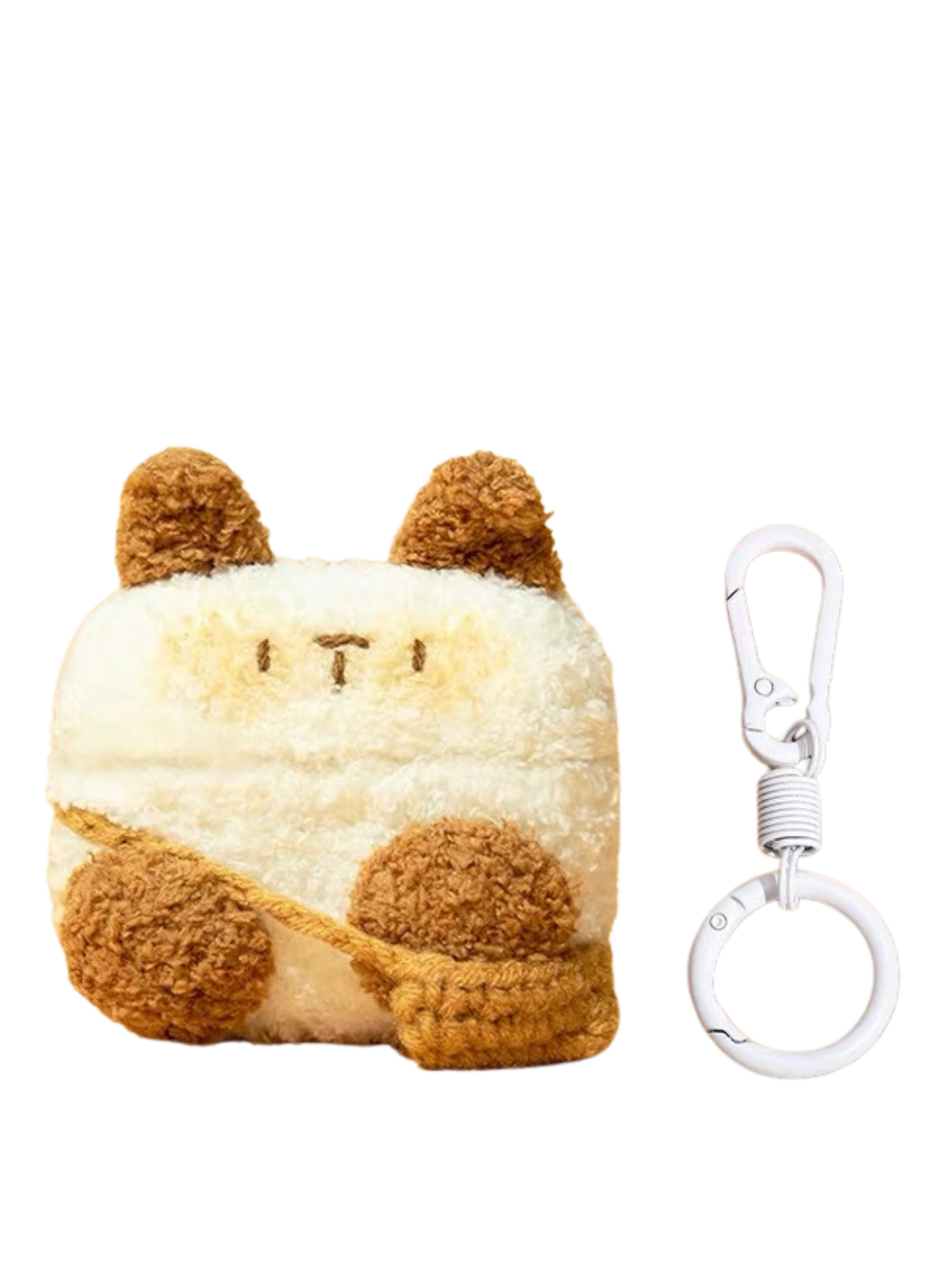
AI Smart Emotional Learning Companion
Empathetic speech synthesizer with adaptive conversational prompts tailored for toddler vocabulary enrichment and bedtime audio storytelling.

Commercial Turnkey AI Robot Package
Pre-certified inventory configurations optimized for rapid customs export, featuring parental monitoring app sync and cloud analytics.
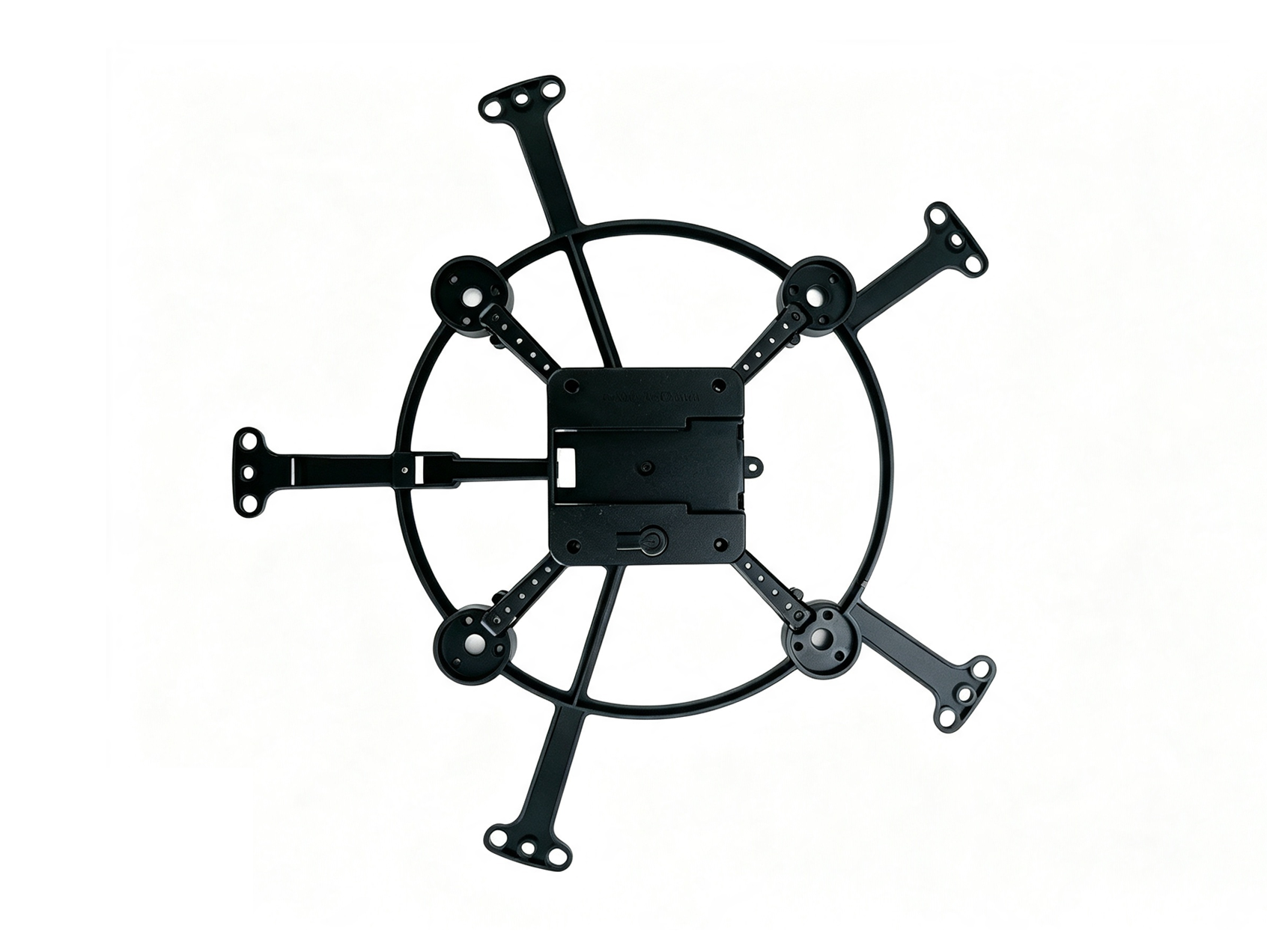
F1A Drone Soccer Aerodynamic Base Frame
High-resilience polycarbonate structural plate engineered for competitive RC FPV drone soccer arena collisions and STEM robotics leagues.
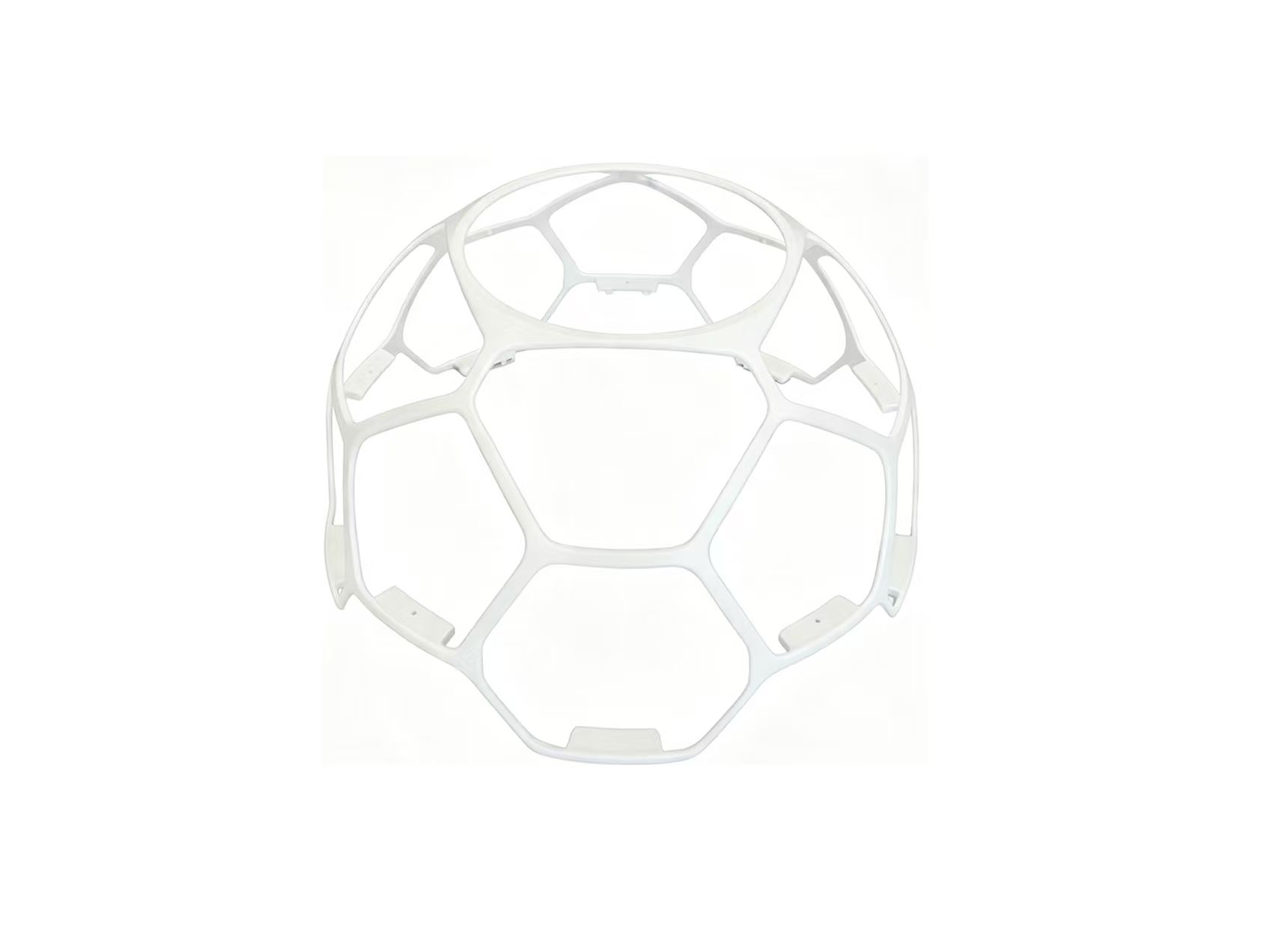
Spherical FPV Drone Soccer Protective Cage
360-degree interlocking kinetic safety sphere designed to house high-RPM brushless motors for youth STEM aerodynamic programming clubs.
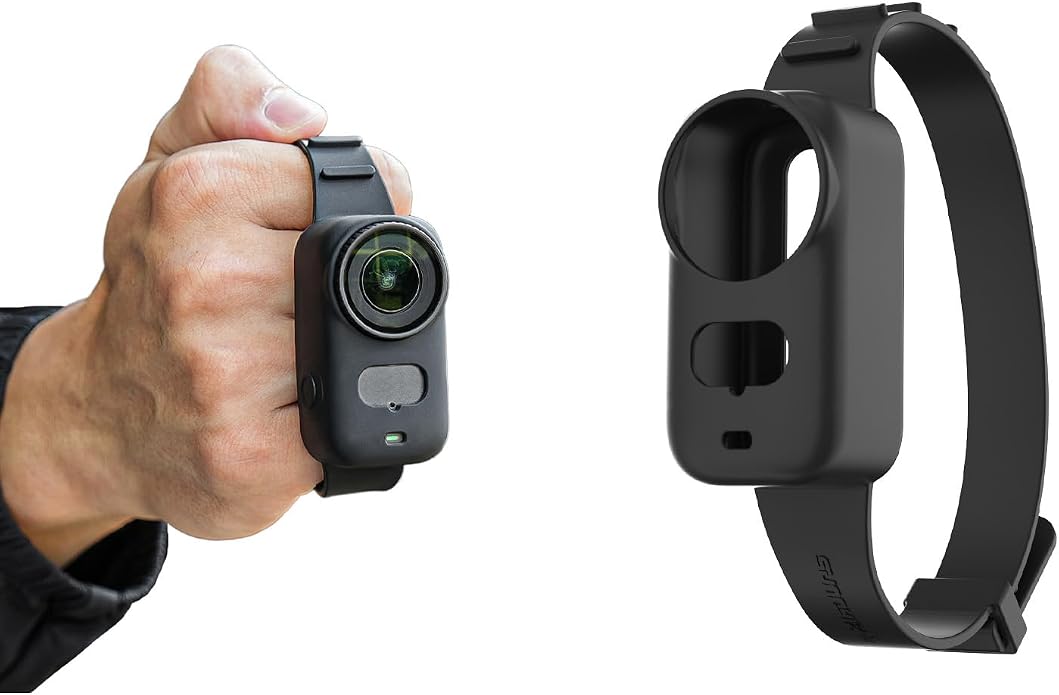
Sports Camera Nano Silicone Wrist Mount
Medical-grade non-toxic hypoallergenic silicone strap and shockproof casing tailored for miniature youth action cams and transmitter gear.
Industrial Paradigm Shift: Evolution of AI Voice Assistant Toys
The global toy and educational technology market is witnessing an unprecedented architectural transition. Traditional electronic learning aids (ELAs) were long constrained by pre-recorded optical masked ROM chips, limited offline audio loops, and primitive keyword-matching microcontrollers. These static devices provided superficial engagement, resulting in high churn rates, rapid play-fatigue, and short product life cycles.
Today's B2B procurement landscape has pivoted toward dynamic, generative artificial intelligence architectures. With the commercial deployment of localized Small Language Models (SLMs) and low-latency cloud gateways powered by state-of-the-art Large Language Models (LLMs)—including DeepSeek, Alibaba Qwen, ByteDance Doubao, and OpenAI GPT APIs—smart companion robots can now comprehend unstructured syntax, process emotional nuance, remember child-specific user preferences, and scaffold personalized pedagogical journeys in real time.
Technical Value Multiplier: By transitioning from fixed-script toys to LLM-driven edge-cloud hybrid platforms, consumer retention indices increase by more than 340%. Toys become evolving intellectual mentors that adapt their lexicon and tone as the child grows from ages 3 through 12.



Key Technological Benchmarks in Voice Assistant Toy Development
As a specialized OEM/ODM manufacturer headquartered in Shenzhen's high-tech manufacturing corridor, Shenzhen Mardijai Technology Co., Ltd. resolves the fundamental hardware-software friction points inherent in juvenile voice technology. Executing enterprise-grade voice interaction within low-power, drop-resistant juvenile devices requires deep interdisciplinary mastery across several technical domains:
Acoustic Echo Cancellation (AEC) & Beamforming
Children talk over toy responses. Our dual-MEMS microphone arrays leverage customized digital signal processors (DSP) running blind source separation, allowing prompt interruption (barge-in) amidst loud ambient playroom noise.
Sub-800ms Latency Pipeline
Attention spans under age 10 break down if response latencies exceed 1.2 seconds. We combine optimized lightweight edge VAD (Voice Activity Detection), WebSocket streaming, and distributed inference engines to sustain sub-800ms end-to-end roundtrip voice feedback.
Child-Centric Guardrail Filtering
Raw LLMs risk outputting hallucinations or non-age-appropriate narratives. Our middleware implements rigid semantic filter layers, toxicity interceptors, and strict parental controls ensuring 100% child-safe, vetted pedagogical outputs.
Dual-Path Connectivity: 4G LTE + Wi-Fi
Wi-Fi dropouts cripple interactive toys during outdoor use. MardijAI models integrate dual-band Wi-Fi with global cellular 4G SIM/eSIM fallback, ensuring seamless pedagogical continuity during school commutes, travel, and park play.
Multimodal Touch-Screen Ergonomics
Audio-only interfaces frustrate young language learners who require visual reassurance. Integrating tempered, blue-light-filtered capacitive IPS displays provides interactive phonetic graphics, emotional facial avatars, and intuitive UI.
Non-Toxic, Drop-Resistant Mechanicals
All enclosures use virgin Chi-Mei high-impact flame-retardant ABS, UL94-HB compliant, free from BPA, phthalates, and heavy metals. Internal structural ribs withstand standard 1.5-meter repetitive drops onto concrete surfaces.
Future Procurement Trends in the B2B AI Educational Toy Sector
Professional importers, brand distributors, and retail chain buyers across North America, the European Union, and Australasia are fundamentally altering their procurement requirements. Analyzing supply contracts over the past 24 months reveals four distinct procurement trends shaping upcoming sourcing cycles:
1. Strict Alignment with COPPA, GDPR-Kids, and California CPRA
Data sovereignty and minor identity privacy have become pass/fail procurement conditions. Major retailers (such as Target, Walmart, FNAC, and Smyths Toys) reject cloud-tethered toys that store biometric voice prints or transmit unencrypted audio payloads. MardijAI’s firmware architecture is engineered around Zero-Knowledge Voice Transcriptions: raw audio streams are converted to transient text in volatile RAM, scrubbed of personal identifiers, routed through encrypted TLS 1.3 channels, and discarded immediately following token generation. No audio recordings are permanently archived on cloud infrastructure.
2. Hybrid Architecture: SLM Edge Inference + Cloud Escrow
Fluctuating token inference costs and server outage vulnerabilities have accelerated demand for hybrid architectures. Buyers prioritize hardware equipped with neural processing unit (NPU) accelerators capable of running 0.5B to 1.8B parameter quantized Small Language Models on-chip. Basic mathematical drills, vocabulary prompts, and core system operations execute locally without internet connectivity, while complex interactive storytelling calls the multi-LLM cloud gateway.
3. Demand for Token Economy Customization & SaaS Monetization
Distributors no longer seek single-margin hardware sales. OEM buyers now demand customizable subscription backends. Our firmware accommodates custom API token balance management, tiered parental subscriptions, and white-labeled companion mobile apps (iOS & Android) allowing brands to capture recurring monthly software revenues post-sale.
4. Turnkey Regional Localization & Multi-Accent TTS
Global market expansion falters if voice toys sound exclusively like standard American English. Modern sourcing specifications mandate multi-dialect vocal textures. Through our neural speech engine partnerships, our devices switch effortlessly between Castilian and Latin American Spanish, British, Australian, and US English, alongside German, French, Japanese, and Gulf Arabic—allowing importers to scale across 50+ sovereign markets with a single unified PCB layout.
Comparative Technical Matrix: Toy Platform Architecture
To illustrate the operational differences between entry-level voice toys and MardijAI’s enterprise-grade AI conversational robotic systems, our engineering department provides the following comparative specification breakdown:
| System Parameter | Traditional Legacy Voice Toys | Generic White-Label Wi-Fi Toys | MardijAI Enterprise Platform (Zibby Core) |
|---|---|---|---|
| Acoustic Processing Core | 8-bit MCU with discrete sound chips | Basic single mic, 16-bit generic DSP | Dual-channel MEMS array, specialized AEC DSP |
| AI Intelligence Model | Hardcoded ROM playback scripts | Single fixed cloud LLM API endpoint | Multi-LLM gateway: DeepSeek, Doubao, Qwen & OpenAI |
| Connectivity Modes | Offline only (Infrared/USB update) | 2.4GHz Wi-Fi strictly | Global 4G LTE-M / Micro-SIM / eSIM + Dual-Band Wi-Fi |
| Visual Interface | Static segments or printed stickers | None (Voice-only speaker) | Full-Color High-Resolution IPS Capacitive Touch Screen |
| Response Latency | Instant (Pre-recorded clips) | 1,800ms – 3,500ms (High drop rate) | Sub-800ms optimized streaming pipeline |
| Data Compliance Safety | Not applicable (No network) | High vulnerability; open cloud telemetry | Full COPPA / GDPR-K compliance, Zero-Record storage |
| Battery Management | AA/AAA alkaline dry cells | Standard Li-ion (Uncertified) | High-density Li-Po with dual PTC thermal protection (UN38.3) |
Enterprise Sourcing Advantages: Shenzhen Mardijai Technology
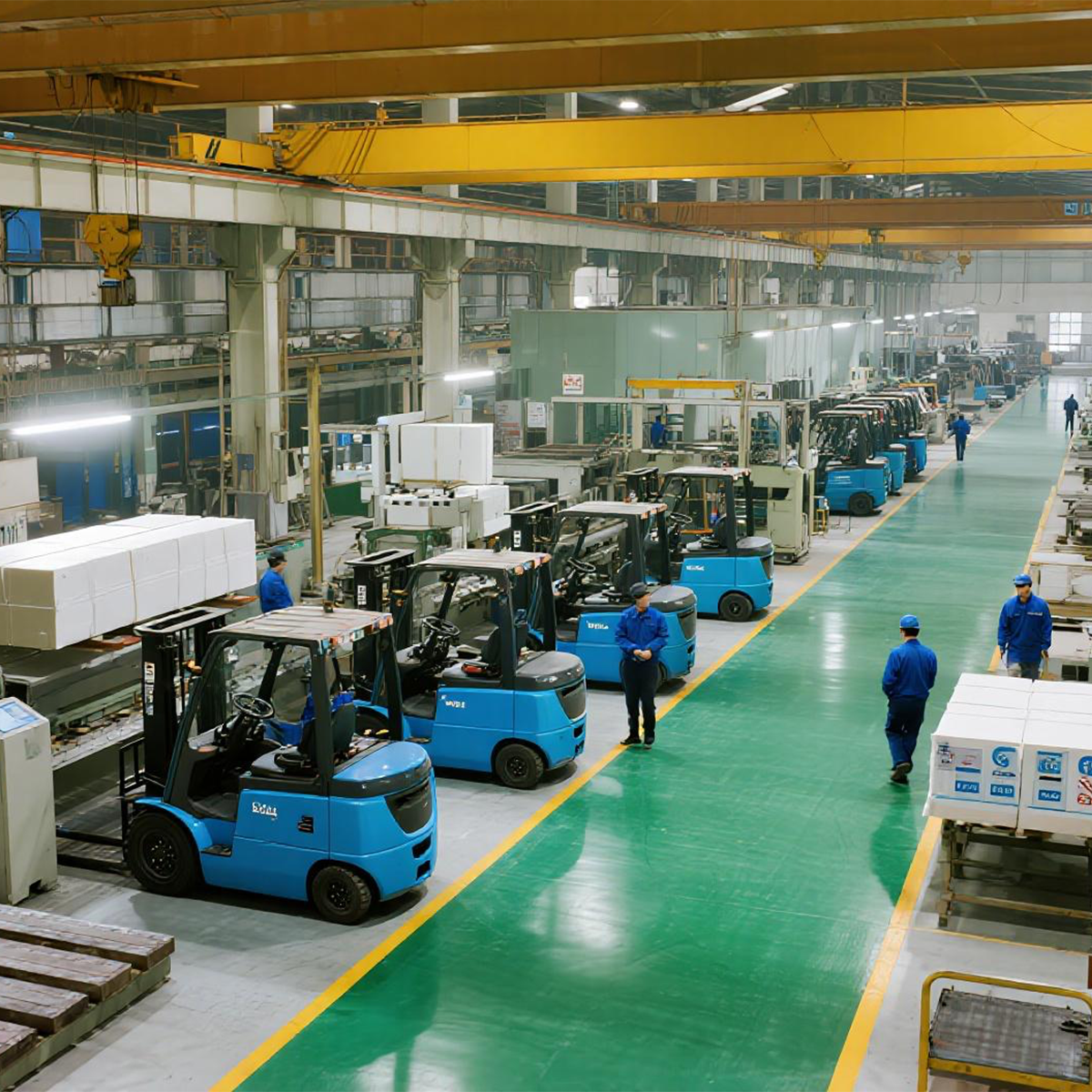
Rooted in Shenzhen’s premier hardware innovation corridor since 2013, Shenzhen Mardijai Technology Co., Ltd. brings together deep consumer electronics R&D with rigorous export quality control. Our integrated 2,000 m² production facility at Feiyang Building coordinates every phase of production under one roof:
21–30 Hardware & AI Engineers
Our in-house R&D division encompasses antenna RF simulation engineers, industrial acoustic tuners, low-power Linux/Android kernel architects, and model fine-tuning prompt engineers.
11–20 Dedicated QC Inspectors
Every production batch undergoes MIL-STD-105E Level II AQL inspection. Testing encompasses drop-tower impact, acoustic SPL decibel limits, button cycle life, thermal chamber stress, and packaging drop testing.
Exporting to Over 50 Countries
Our products are distributed across North America, Europe, Australia, Latin America, and East Asia. We manage full export logistics through Shenzhen Yantian Port, offering DDP, DAP, and FOB arrangements.
The 6-Phase End-to-End OEM/ODM Manufacturing Workflow
Navigating an AI hardware program from concept to international retail shelves demands disciplined phase-gate project governance. MardijAI ensures predictable delivery through a structured milestone framework:
Industrial Design & Architecture
Evaluating target demographics, structural ergonomics, mold draft angles, speaker cavity resonance, and BOM cost modeling.
PCB Layout & Audio DSP Tuning
Custom multi-layer PCB routing, antenna RF isolation, microphone chamber acoustic sealing, and component sourcing.
AI Engine & Cloud Gateway Setup
Integration of designated LLM engines (DeepSeek, Qwen, Doubao), safety guardrail testing, and cloud latency optimization.
Tooling, DFM & Rapid Prototyping
CNC working prototypes, silicone tooling, hardened steel injection mold cutouts, and initial T1 plastic injection trials.
Certification Pre-Compliance
Executing CE-RED, FCC Part 15B/15C, RoHS 2.0, REACH, ASTM F963, and EN71 physical and flammability testing with certified labs.
Pilot Batch & Automated Production
500-unit pilot run validation followed by high-speed SMT assembly, automated optical inspection (AOI), and final export boxing.
B2B Procurement FAQ: Voice Assistant Toys & Educational AI
What is the typical Minimum Order Quantity (MOQ) for OEM vs. ODM production?
For standard OEM branding programs—which include laser-engraved housing logos, custom packaging, localized user manuals, and customized firmware boot screens on our proven Zibby platform—our baseline MOQ is 1,000 units. For complete ODM bespoke developments involving custom plastic injection tooling, non-standard PCB form factors, and unique acoustic chambers, the baseline MOQ is 3,000 to 5,000 units, with tooling costs amortized across scheduled delivery contracts.
How do you navigate international child privacy laws (COPPA / GDPR-K)?
Compliance is managed at the firmware and architectural level. Our hardware operates without biometric identification or voice-profile fingerprinting. Transcribed audio streams are processed in transient memory and deleted immediately following text-to-speech synthesis. We provide complete network architecture documentation to assist your legal team in certifying compliance with the US FTC COPPA Rule, EU GDPR Article 8, and the UK Age Appropriate Design Code.
Who manages and pays for the ongoing cloud LLM API token consumption?
We offer two flexible commercial frameworks: (1) Turnkey Hosted Model: MardijAI provides access to our multi-model cloud proxy gateway, with wholesale token packages built directly into hardware pricing or billed on an annual active-device basis. (2) Direct Client API Routing: For major brands maintaining their own infrastructure on AWS Bedrock, Microsoft Azure, or direct LLM partnerships, our firmware can be pointed directly to your proprietary endpoint gateways.
What is your standard production lead time and rapid sampling protocol?
Evaluation samples of existing models ship within 3 to 5 business days. Functional rapid-prototypes with custom software builds take 14 to 20 days. Full-scale repeat OEM production orders typically ship in 20 to 25 days from final sample sign-off and deposit receipt, departing directly from Shenzhen Yantian port under FOB, CIF, or door-to-door DDP arrangements.
How are lithium polymer batteries protected against drop impact and thermal runaway?
Our battery packs use UL-listed lithium polymer cells featuring integrated positive temperature coefficient (PTC) thermistors and dual-MOSFET protection circuits guarding against over-voltage, over-current, and over-discharge. Mechanically, the battery sits within an isolated, reinforced internal polycarbonate cage, keeping it safe from direct puncture or mechanical shock during standard toy drop tests.
Can the voice interaction operate in regions with strict internet firewalls or weak connectivity?
Yes. Our architecture supports dynamic network routing. When internet bandwidth drops or becomes unavailable, the system automatically falls back to on-device localized micro-SLMs and edge speech engines. This allows essential offline voice interactions, basic games, and offline educational drills to function reliably without an active internet connection.