Recommended AI Educational Hardware Portfolio
Precision-engineered smart hardware platforms ready for white-label branding, SDK customization, and mass procurement.
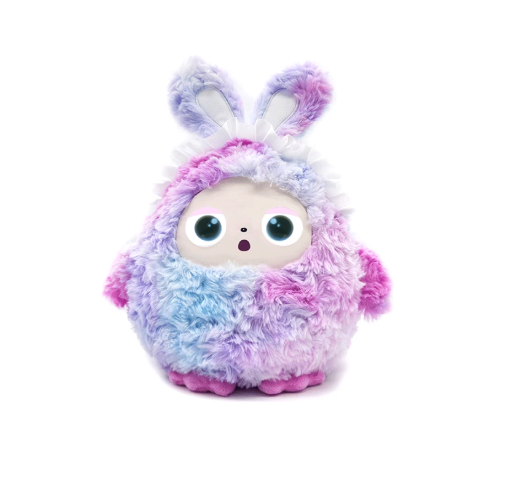
Interactive AI Plush Learning Companion
Voice-enabled interactive soft plush integrated with conversational AI, high-sensitivity far-field microphone, and child-safe cotton lining.
View Specifications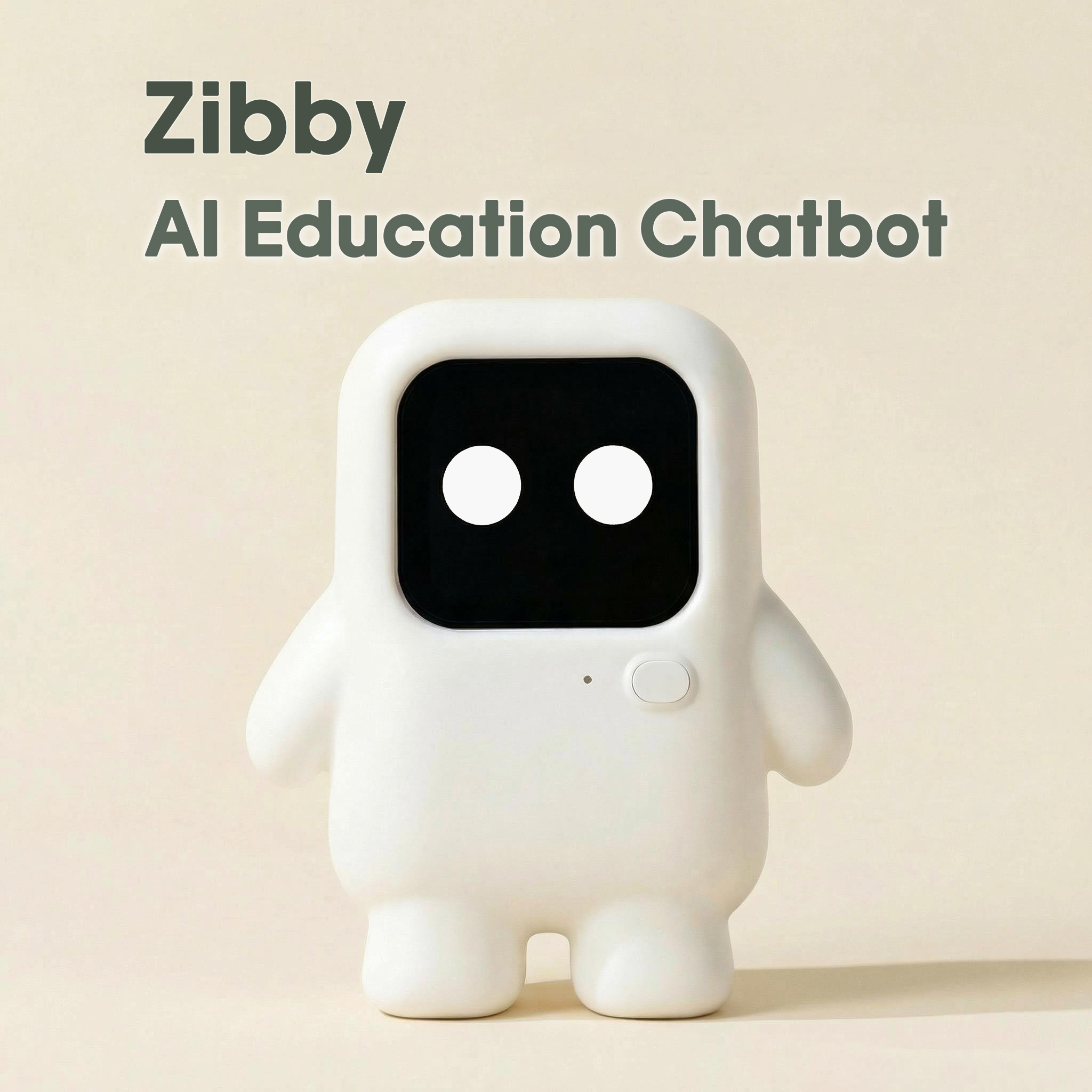
Zibby 4G & Wi-Fi AI Educational Robot
Flagship full-color capacitive touch screen device driven by multi-model architectures (DeepSeek, Doubao, Qwen) with SIM slot support.
Get a Quote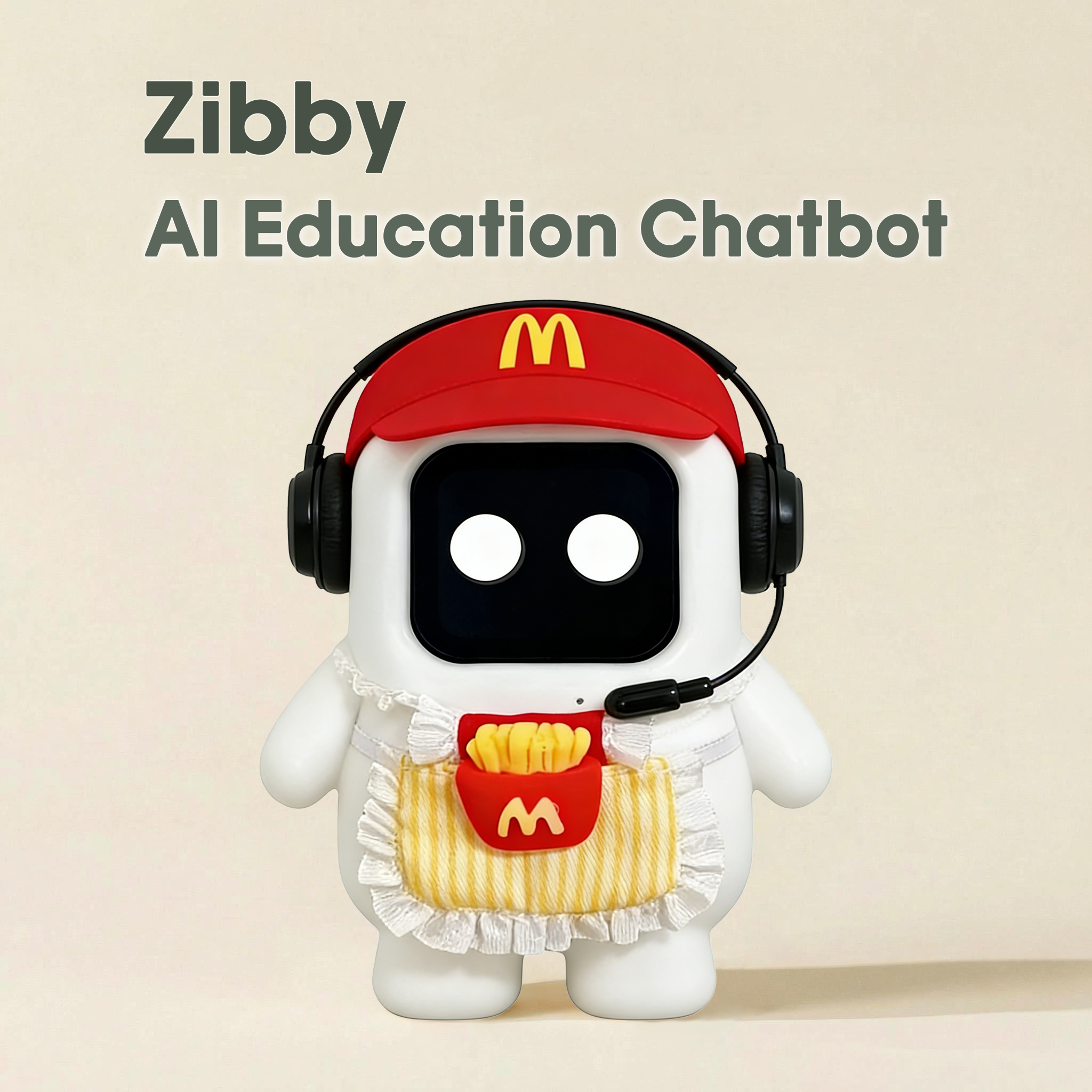
Private-Label Custom Children AI Toy
Turnkey structural housing built from food-grade ABS resin, featuring real-time conversational streaming and bespoke boot branding.
Get a Quote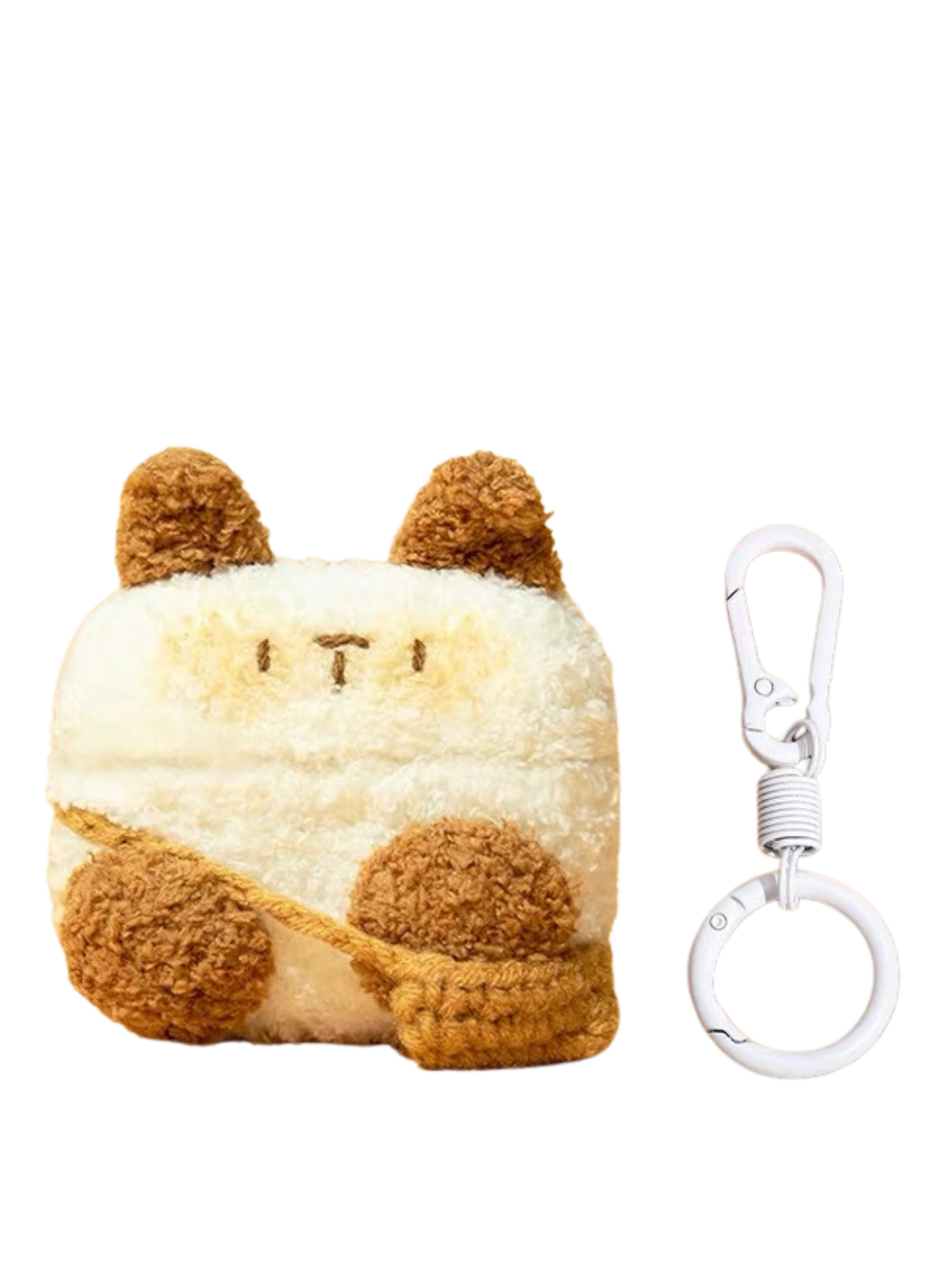
AI Emotional Listening Smart Companion
Specially calibrated natural speech recognition engine facilitating cognitive dialogue, early phonetic learning, and bedtime storytelling.
Get a Quote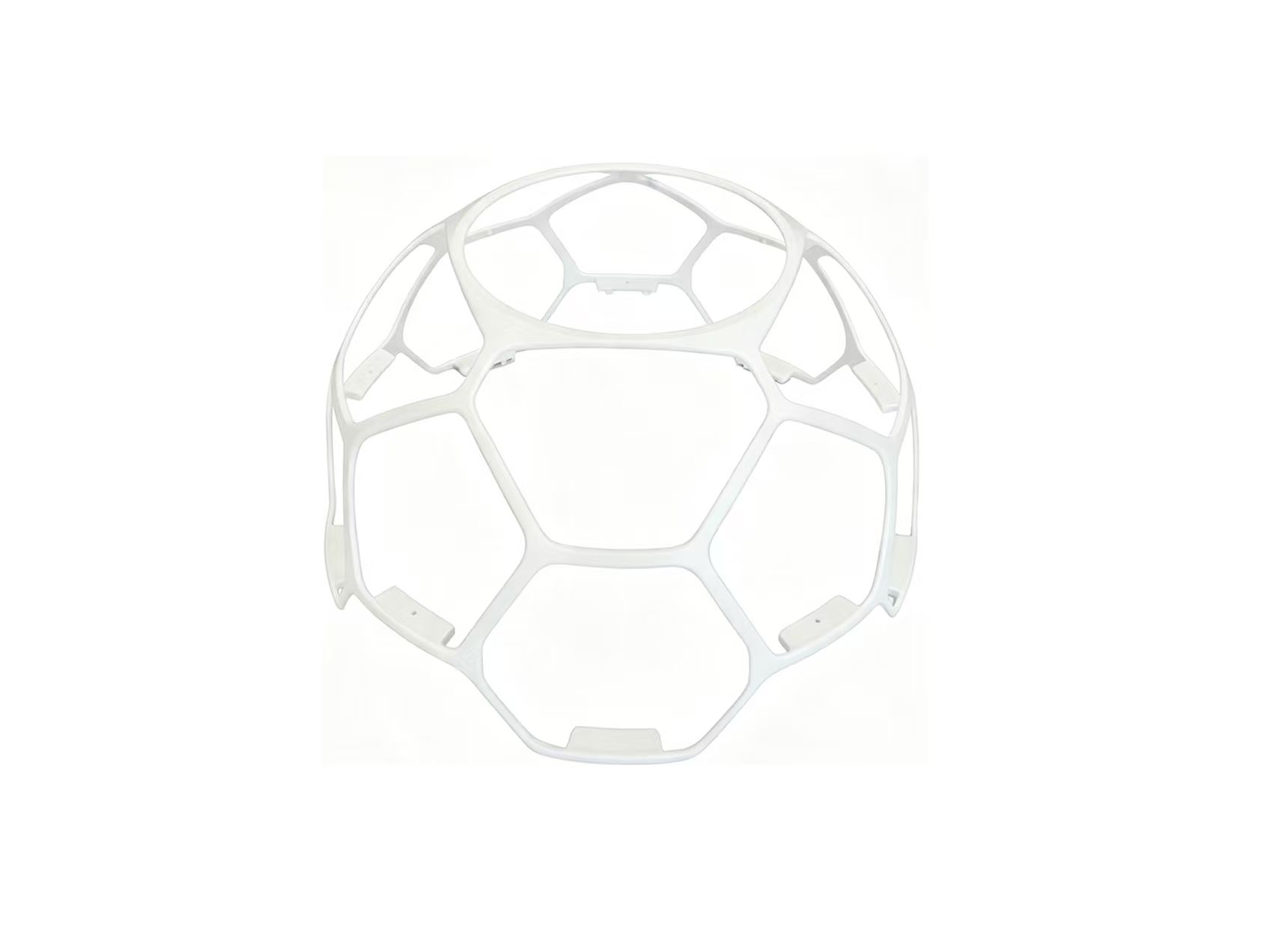
Drone Soccer STEM Educational Kit
High-durability spherical aerodynamic cage designed for hands-on classroom robotics, telemetry training, and STEM drone agility sports.
View Specifications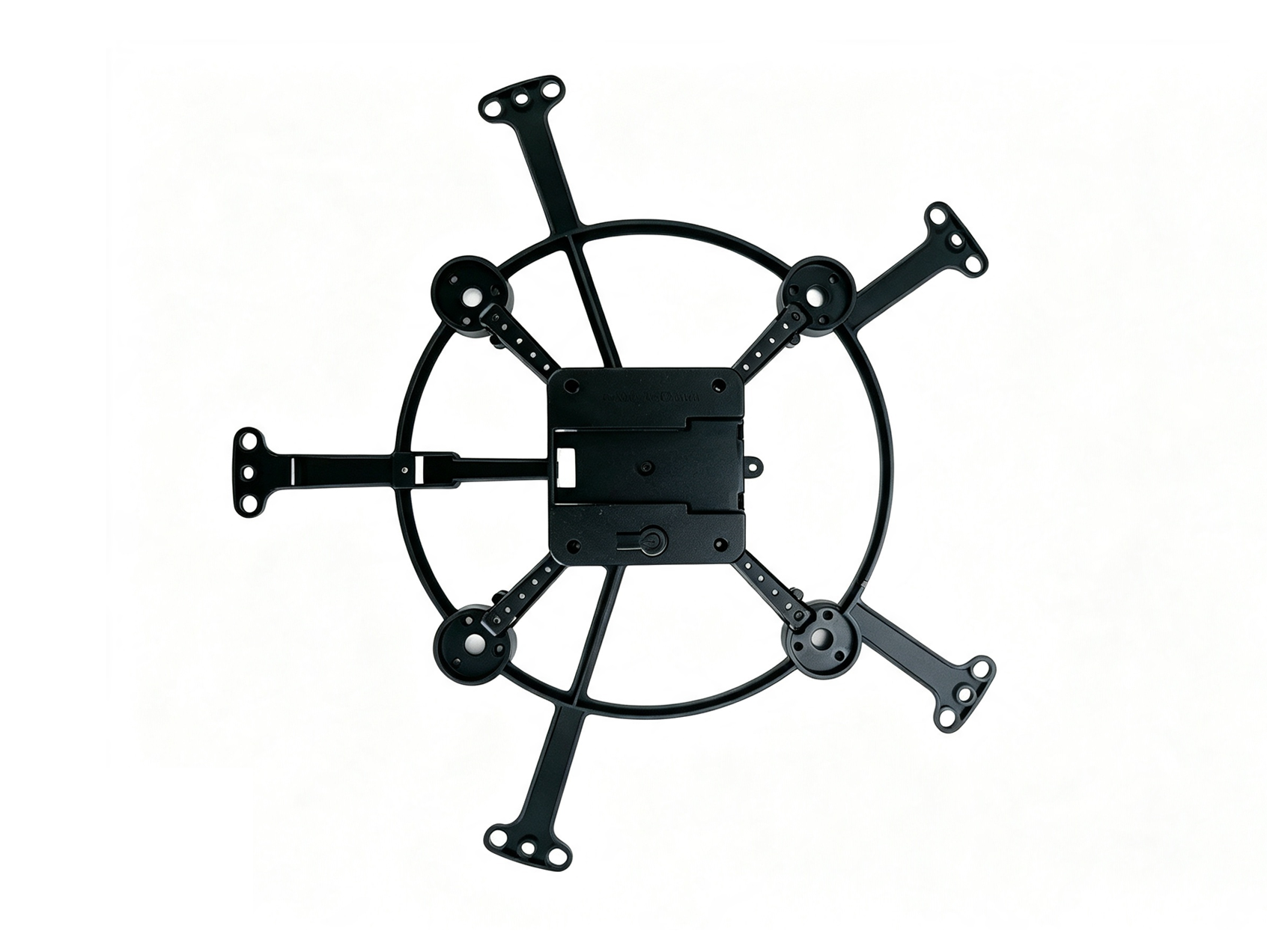
STEM Drone Modular Structural Base Plate
Precision-milled composite base frame built for high-impact educational robotics experiments, DIY assembly, and motor stability testing.
View Specifications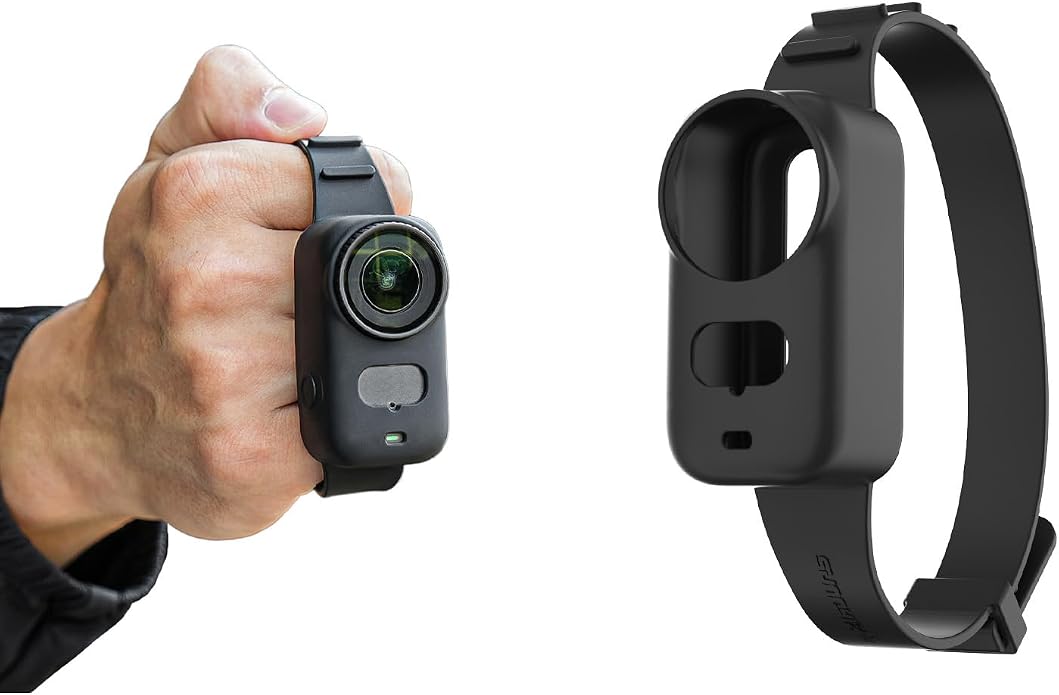
Rugged Protective Silicone Wearable Mount
Medical-grade biocompatible silicone sleeve and ergonomic strap suited for child-operated sensors, smart modules, and mobile recorders.
View Specifications
Dual-Network Conversational Tablet Robot
Comprehensive early-education robotic terminal with localized offline vocabulary support, edge-cloud switching, and interactive touch GUI.
Get a QuoteGlobal Sourcing Outlook: Strategic Trends in Educational Hardware
Key technical shifts procurement directors and brand managers must account for over the 2025–2030 sourcing horizon.
Multi-Model Hybrid Integration
Global distributors are shifting away from static cloud LLM binding. Forward-thinking buyers require hardware architectures that facilitate backend routing between DeepSeek, OpenAI APIs, Doubao, or regional localized engines. This ensures continuous compliance with localized sovereign data privacy mandates without altering the underlying hardware bill of materials (BOM).
Dual-Path Cellular (4G LTE + Wi-Fi)
Wi-Fi-tethered limitations consistently generate negative end-user sentiment when smart devices disconnect outside household boundaries. Modern institutional procurement mandates dual-connectivity configurations featuring micro-SIM or eSIM modules alongside dual-band 2.4/5GHz Wi-Fi, sustaining contextual learning during school commutes and travels.
Stringent Child Privacy & Audits
Global regulatory oversight—including COPPA in North America and GDPR-K in Europe—places extreme liability on educational technology importers. Hardware procurement requires audited end-to-end data minimization architectures, onboard mechanical microphone/camera privacy shutters, zero-retention voice caching, and isolated cloud processing tunnels.
Engineering Architecture: Technical Evolution of Smart Robots
Comprehensive breakdown of mechanical, acoustic, and algorithmic advancements driving child-centric interaction.
Far-Field Acoustic Noise Suppression
Children naturally articulate words with variable pitch, irregular cadence, and softer voice projections within ambient home environments. Next-generation smart learning robots deploy dual-microphone arrays with customized beamforming DSP chips and acoustic echo cancellation (AEC), guaranteeing accurate voice ingestion up to three meters away.
Multimodal Touch-Screen Ergonomics
Purely conversational auditory toys produce high drop-off rates due to cognitive fatigue. Incorporating high-resolution IPS capacitive panels (from 2.8 to 4.0 inches) allows the simultaneous presentation of graphical animated avatars, synchronized educational flashcards, and step-by-step mathematical reasoning, multiplying engagement metrics.
Dynamic Guardrailed LLM Fine-Tuning
Unfiltered generative AI poses significant reputational threats to commercial brands. Advanced robotics firmware now integrates real-time ethical content moderating filters directly between the speech-to-text pipeline and the primary inference engine, ensuring all conversational output remains strictly pedagogical, safe, and age-appropriate (Ages 6–12).
Low-Power Power Management Systems
Sustained voice synthesis, network switching, and display backlighting demand substantial power. Advanced lithium-ion battery management systems (BMS) with overvoltage, thermal runaway protection, and intelligent sleep-wake states extend active companion runtime beyond 8 hours of interactive learning and 72 hours of low-power standby.
Enterprise Strengths: Full-Stack R&D and Manufacturing
Operating out of Shenzhen's core tech ecosystem since 2013, we unite deep software modeling, PCB engineering, and global logistics under one roof.
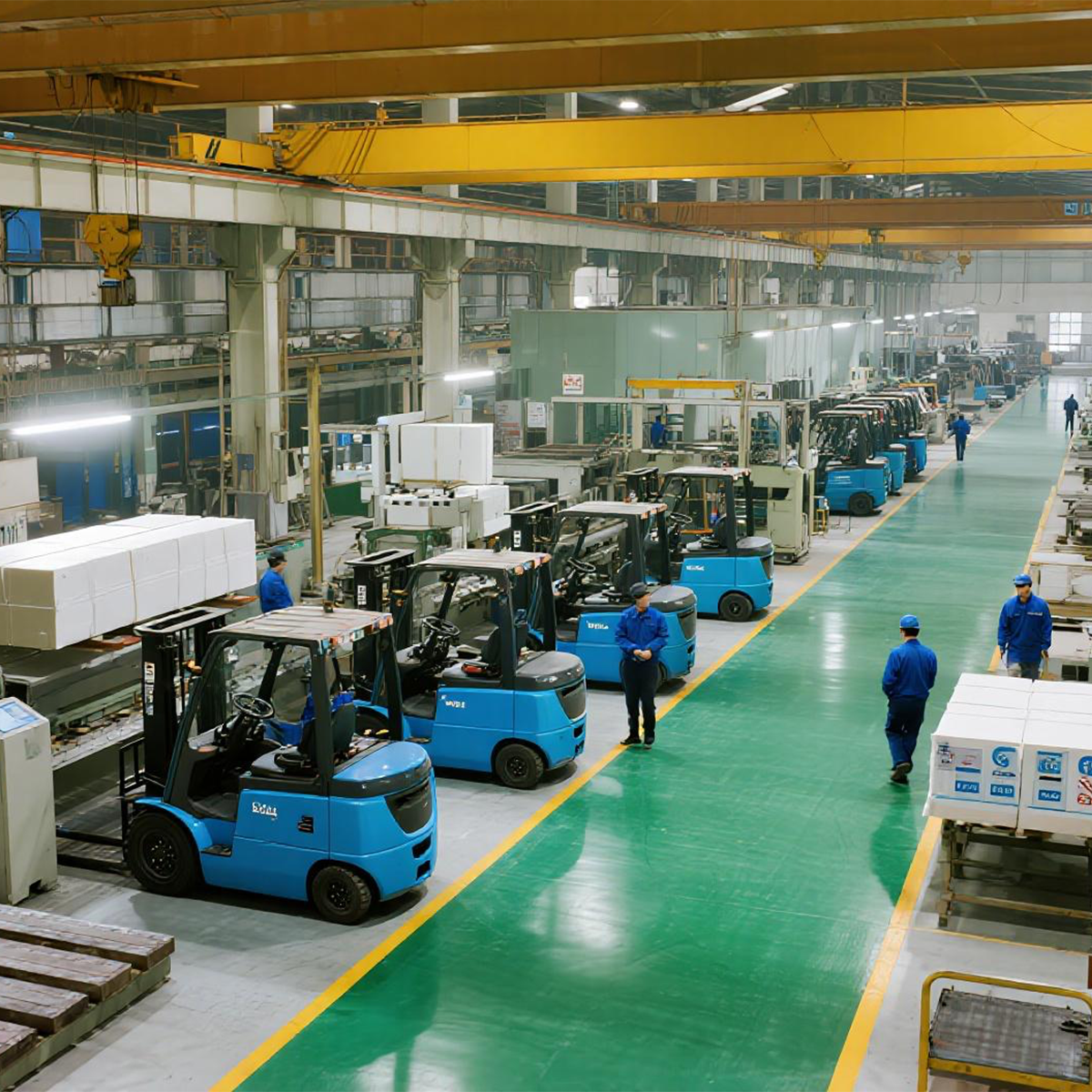
Automated SMT & Assembly Lines
Our 2,000 m² modern manufacturing hub leverages high-speed SMT lines, automated optical inspection (AOI), and modular cleanroom workstations to secure reliable delivery timelines of 20 days for standard enterprise production orders.

In-House R&D & Firmware Mastery
Backed by an engineering core of 21–30 specialists across embedded firmware, DSP acoustic calibration, RF antenna matching, and large language model integration, we translate complex institutional requirements into market-ready retail products.
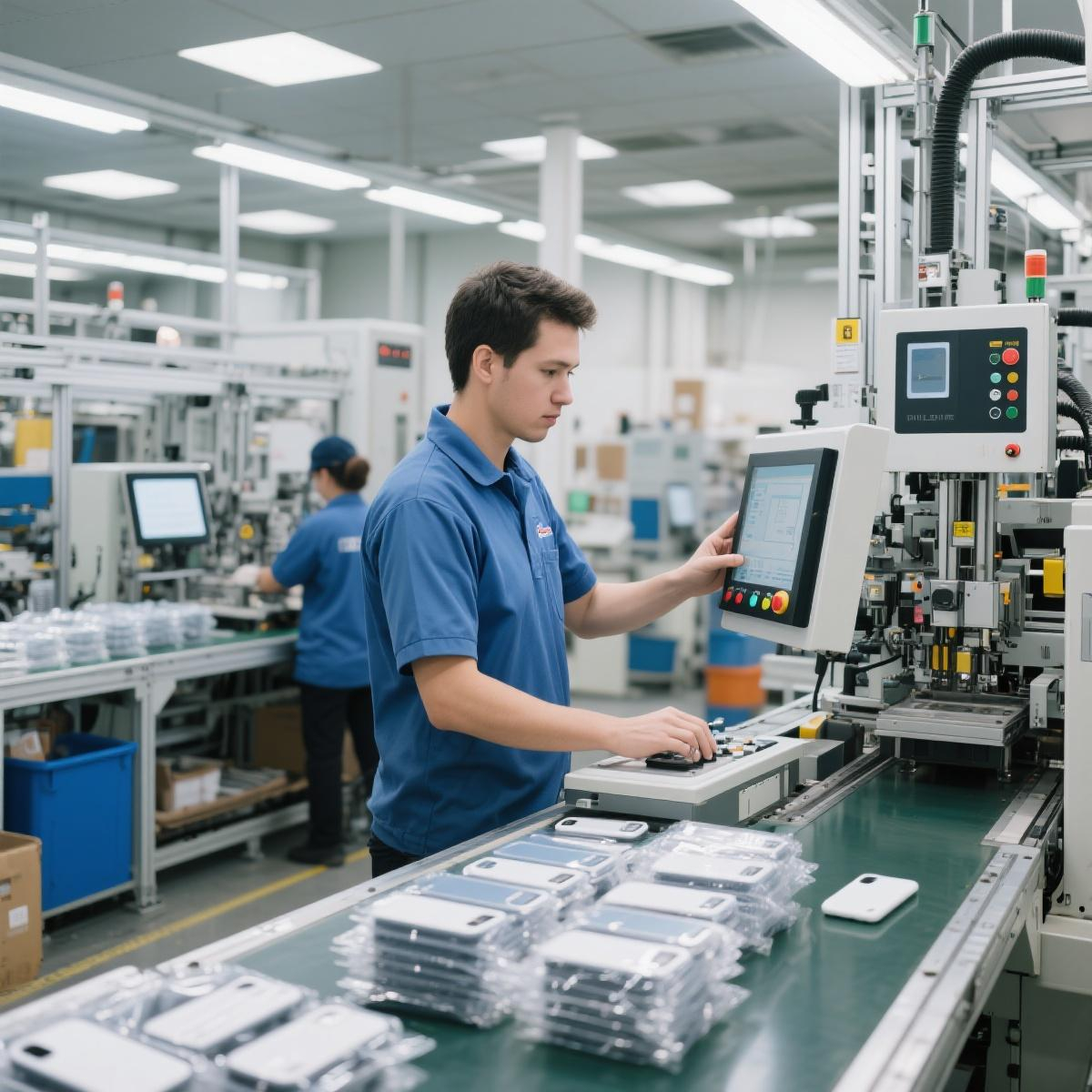
Rigorous Multi-Tier Quality Control
A dedicated team of 11–20 certified QC inspectors conducts rigorous drop-durability testing, hinge torque cycles, battery charge-discharge thermal verification, and 100% audio calibration to comply fully with CE, FCC, RoHS, and child safety guidelines.
B2B Procurement & Technical Architecture FAQ
Essential guidance addressing technical specifications, logistics terms, and customization boundaries for B2B buyers.
What distinguishes your OEM services from full ODM development?
Our OEM track adapts established platforms like the Zibby robot with customized silk-screened logos, localized outer packaging, branded boot sequences, and bespoke housing colors while leaving the underlying PCB and core firmware architecture intact for rapid market deployment. ODM services entail comprehensive custom engineering—including new tooling molds, unique PCB layout design, tailored peripheral sensor integration, bespoke firmware builds, and private cloud backend API bridging.
How do you manage child data protection and privacy compliance globally?
We build hardware strictly aligned with global standards such as US COPPA and EU GDPR-K directives. Our firmware can be configured with zero-retention audio buffers, local voice-command processing, and completely anonymous session-level tokenization. For custom enterprise programs, we support customer-directed cloud server deployments on AWS or Azure environments within target jurisdictions, guaranteeing no voice telemetry leaves designated sovereign borders.
Can we bind our proprietary AI models, learning content, or APIs?
Yes. While standard platforms run optimized configurations across DeepSeek, Doubao, and Qwen, our software team provides standardized SDK endpoints and API tunneling mechanisms. This allows enterprise educational institutions and publishers to connect their own proprietary knowledge graphs, curriculum databases, or fine-tuned language models seamlessly into the robot’s voice interaction pipeline.
What certifications and environmental test reports are furnished?
All finished products are engineered to conform with CE (RED), FCC ID, and RoHS environmental directives. We utilize non-toxic, impact-resistant ABS resin shells verified through EN71 and ASTM F963 toy safety evaluations. Battery assemblies feature integrated protection circuitry compliant with UN38.3, MSDS, and IEC 62133 safety mandates, smoothing global customs clearance processes.
What are standard minimum order quantities (MOQs) and lead schedules?
Pilot OEM private-label branding programs typically require an MOQ starting at 500 to 1,000 units depending on packaging complexity, with standard mass production timelines averaging 20 working days post-sample sign-off. Bespoke ODM developments requiring custom physical tooling generally take 60 to 90 days from initial industrial concept design to pilot production validation runs.
Which international shipping terms and logistics channels do you support?
Exporting directly from Shenzhen Yantian port or Shenzhen Bao'an international logistics hubs, we regularly execute shipments under FOB, CIF, DDP, and DAP terms. Our trade coordination team manages battery hazardous goods declarations, customs documentation, and unified intermodal shipping across North America, South America, Europe, Southeast Asia, and the Middle East.
Accelerate Your Smart Educational Hardware Program
Consult with our Shenzhen engineering specialists to request evaluation evaluation units, review complete schematics, or obtain detailed tier-volume pricing for your market.
Get a Quote