Precision Drone Soccer Balls & Competition Hardware
Explore our export-ready competitive drone soccer frames, complete F1A league balls, interactive companion systems, and protective accessories engineered for maximum durability.
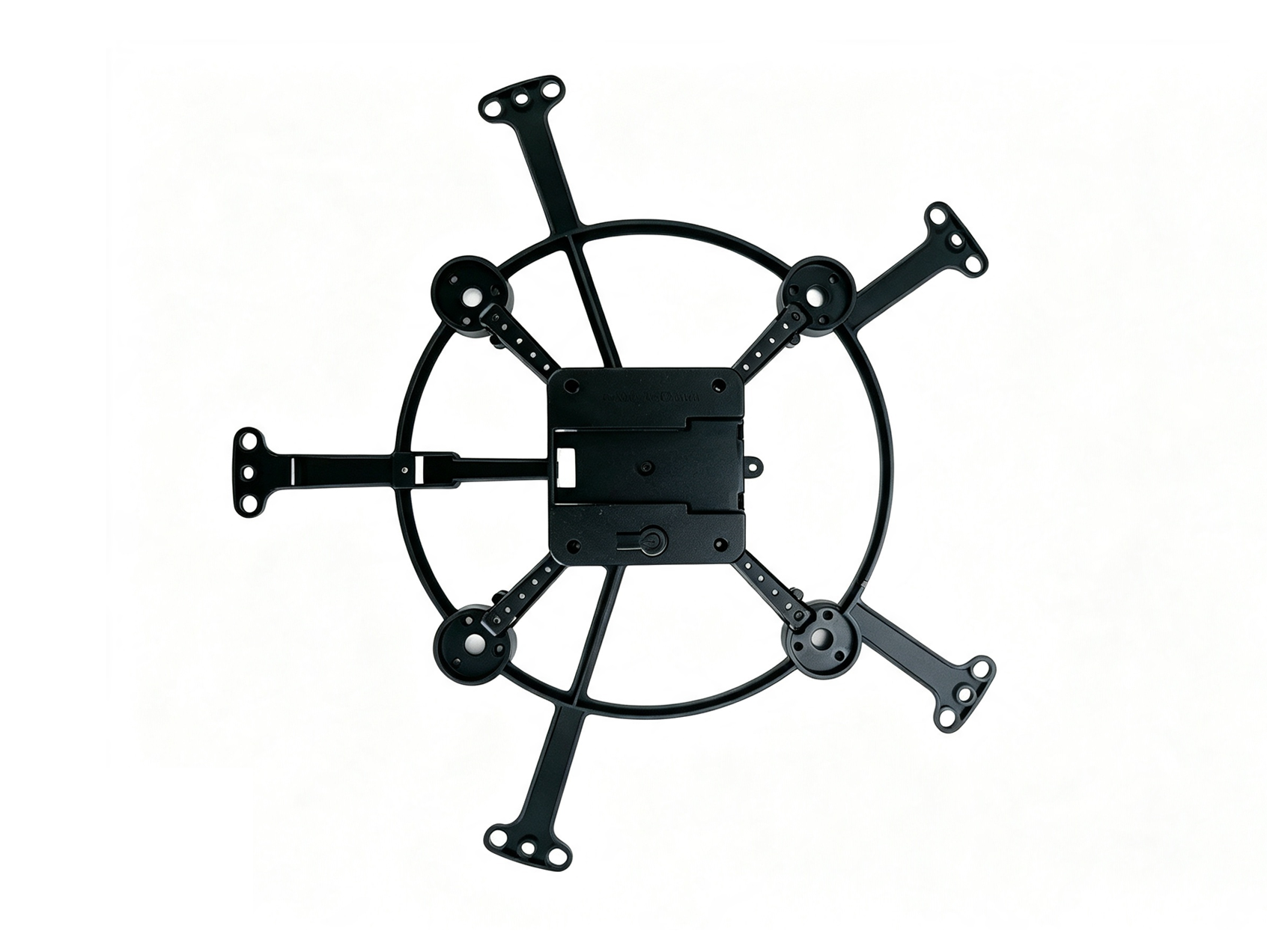
Drone Soccer Frame Base Plate Soccer Flying Drones Flying Ball Competitive Drone for RC Racing FPV Quadcopter F1A
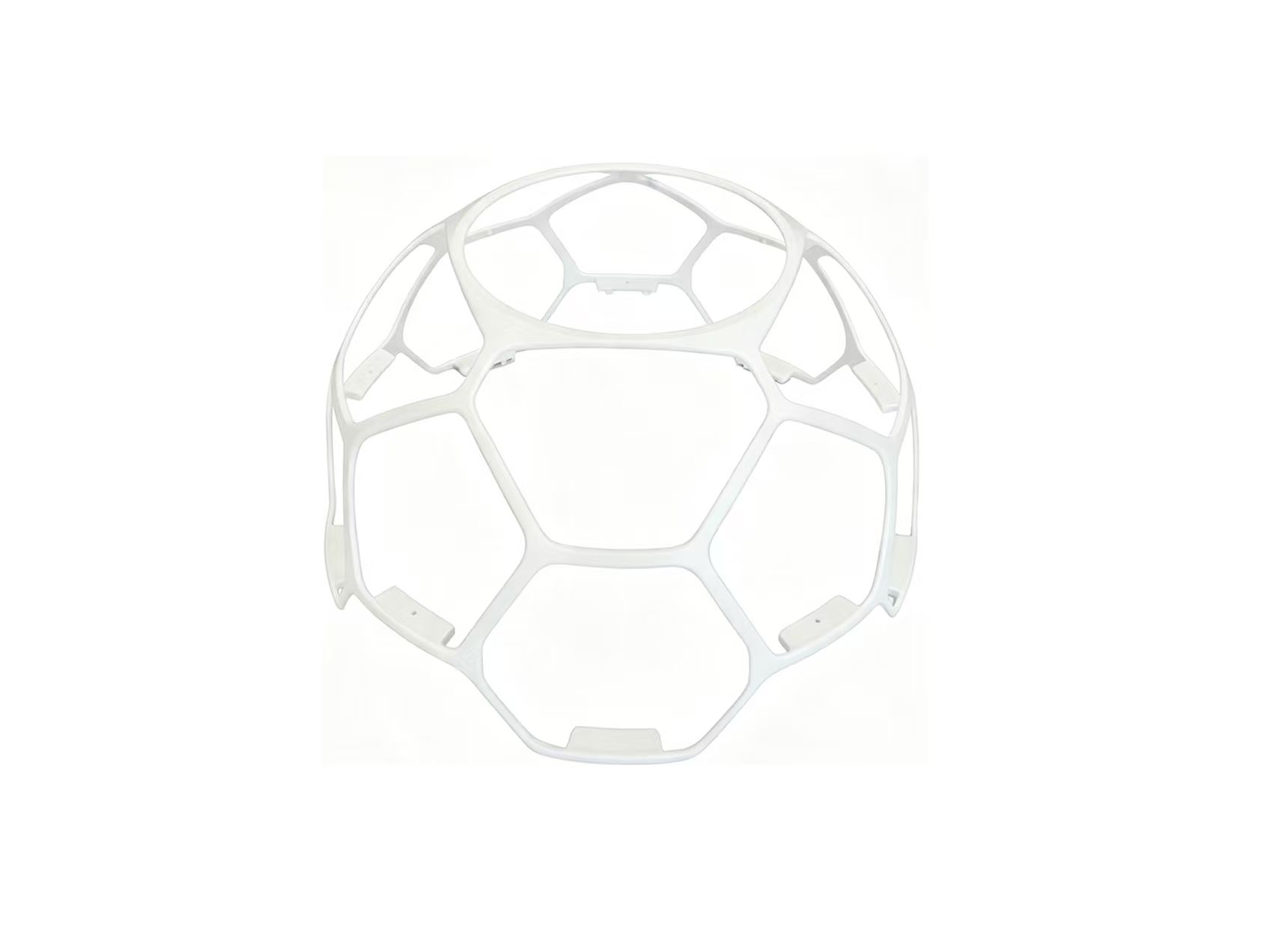
Drone Soccer Frame Suitable Soccer Flying Drones Flying Ball Competitive Drone for RC Racing FPV Quadcopter F1A
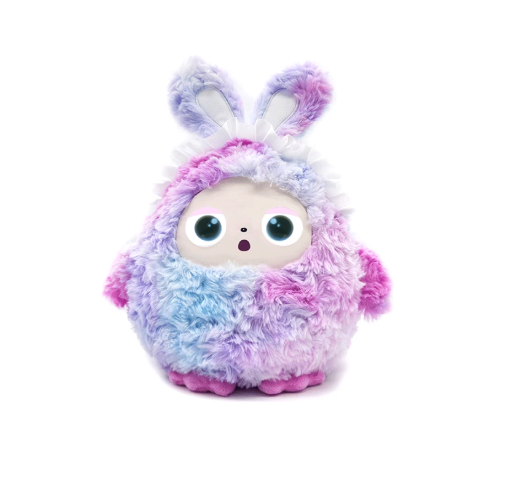
WIFI AI Talking Super Soft Cotton Mesh Lining Plush Toy Smart Interactive Companion Voice Recognition Learning Educational Doll
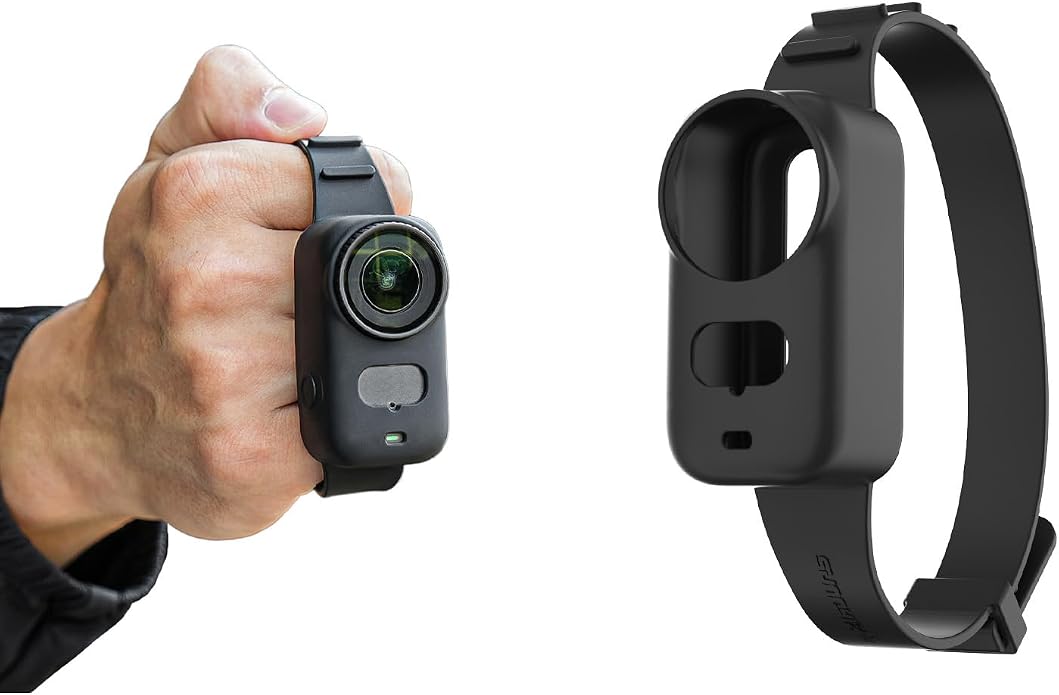
Adjustable Silicone Wrist Strap Sports Camera Nano Video Transmitter Protective Cover for DJI Osmo Nano Sports Action Pet

Custom OEM Competition Drone Soccer Ball 200mm F1A League Standard with LED Telemetry

Industrial-Grade Carbon-Polymer Drone Soccer Exosphere Protection Frame Cage
Educational STEM Drone Soccer Competition Training Kit with Auto-Leveling Flight Controller

Professional 400mm F1B Open Arena Drone Soccer Ball with High-Torque Brushless Power
Technical Whitepaper: Engineering Next-Generation Competitive Drone Soccer Balls
As drone sports evolve from niche enthusiast races into globally standardized aerial athletic competitions under the regulation of international bodies like the Fédération Aéronautique Internationale (FAI), the technical demands placed on competition aerial hardware have surged exponentially. Drone Soccer—a fast-paced arena sport combining elements of tactical soccer, full-contact aerial collision physics, and precision FPV navigation—requires equipment designed to endure extreme mechanical kinetic impacts while preserving microsecond signal control and structural integrity.
Shenzhen Mardijai Technology Co., Ltd., leveraging over a decade of high-precision micro-electronic integration, high-yield material research, and robotics manufacturing, stands at the forefront as a premiere Custom OEM Drone Soccer Competition Ball Manufacturer & Exporter. Our specialized manufacturing plant integrates structural carbon-polycarbonate composites, low-latency RF telemetry, modular crash-dissipation frames, and custom flight controller firmware designed specifically to solve the mechanical friction and aerodynamic drag inherent in spherical mesh enclosures.
1. Material Science & Kinetic Dissipation Architectures
The primary point of failure in standard commercial quadcopters subjected to drone soccer conditions is structural deformation upon collision. In high-stakes F1A (200mm class) and F1B (400mm class) matches, drone balls routinely collide at velocity vectors exceeding 40 km/h. Standard plastic meshes shatter, causing interior prop damage, battery short-circuits, and frame fatigue.
Our OEM manufacturing process utilizes a proprietary Elastic Polycarbonate-Nylon Carbon-Composite Matrix for the protective outer exosphere cage. Key engineering metrics of our cage construction include:
- High-Flex Impact Coefficient: The outer lattice features engineered flex-hinges that absorb kinetic shock energy and redistribute forces radially away from the internal flight core.
- Zero-Vibration Motor Isolators: Custom CNC-milled 3K carbon fiber center base plates isolate motor harmonic frequencies from the IMU gyroscopes, preventing flight controller drift during mid-air collisions.
- Quick-Lock Modular Struts: Field repairs can be conducted in under 90 seconds through patented snap-fit lock pins, eliminating the need for soldering or complete disassembly during match time-outs.
2. Aerodynamic Drag Optimization Inside Spherical Mesh Enclosures
Enclosing a high-thrust quadcopter inside a 360-degree protective sphere introduces severe aerodynamic challenges, including rotor wash recirculation, ground-effect turbulence near arena net walls, and a higher drag coefficient ($C_d$). Our fluid dynamics engineering team uses computational fluid dynamics (CFD) modeling to optimize prop pitch against cage grid density.
By engineering ultra-thin, tear-drop profiled cage pentagons, our custom drone soccer balls reduce internal static thrust loss by up to 28% compared to generic injection-molded cages. This allows competition teams to execute sharper pitch maneuvers, rapid climbing acceleration, and sustained hover stability without overheating motor windings.
Full-Spectrum OEM & ODM Customization Matrix
We empower global brand owners, educational STEM suppliers, and national drone sports leagues to deploy fully customized aerial competition systems backed by Shenzhen supply chain efficiency.
Custom Exosphere Molds & Colors
Bespoke pantone colors, translucent UV-reflective cages, team branding, and lightweight polycarbonate tooling tailored to your league's aesthetic standards.
Pre-Programmed FC & Telemetry
Custom flight controller firmware tuned for beginner assistance, goal-scoring LED visual indicators, or unrestricted FPV acro mode for professional tournaments.
Turnkey STEM & Retail Packaging
Complete unboxing solutions including customized EVA travel carrying cases, modular spare parts packs, branded LiPo charging bags, and multilingual manuals.
Technical Specifications Comparison: FAI Standard vs. Educational OEM Models
To assist procurement managers, tournament organizers, and commercial distributors in choosing the correct platform architecture, the following engineering matrix outlines our primary export platforms:
| Specification Parameter | F1A Competition Class (200mm) | F1B Open Arena Class (400mm) | STEM Educational Training Model |
|---|---|---|---|
| Outer Sphere Diameter | 200 mm ± 5 mm | 400 mm ± 10 mm | 180 mm – 200 mm Adjustable |
| All-Up Takeoff Weight (AUW) | 110g – 130g (Includes Battery) | 800g – 1100g (Includes Battery) | 95g – 115g |
| Base Frame Material | 3K Toray Carbon Fiber Base Plate | Aero-Grade CNC Aluminum + Carbon Plate | High-Flex Impact Nylon Composite |
| Propulsion System | Brushless 1106 / 1404 Motors | Brushless 2806.5 / 3110 Motors | High-Efficiency Coreless or Brushless |
| Battery & Flight Time | 2S 600mAh 80C High-Discharge (4-5 mins) | 6S 3000mAh 100C LiPo (5-6 mins) | 1S/2S Modular Quick-Swap LiPo (6 mins) |
| Telemetry & Scoring LEDs | 360° Programmable RGB NeoPixel Ring | High-Candela Stadium Lighting Strip | Dual-Color Red/Blue Team Indicator LEDs |
| Recommended Match Environment | Standard Indoor Nets (5m x 5m x 3m) | Full Arena Stadium Nets (20m x 10m x 5m) | Classrooms & Gymnasium Sports Hall |
Global Sourcing Trends & Market Outlook for Drone Soccer Equipment (2025–2030)
The global sports tech and drone education market is undergoing a rapid transition toward standardized competitive aerial leagues. Driven by government-backed STEM curriculum funding in North America, Europe, the Middle East, and Asia-Pacific, drone soccer is cementing its status as an officially recognized esports discipline. As an OEM buyer, navigating the market over the next 5 years requires an understanding of upcoming technology trajectories:
1. Shift Towards Optical Flow & Indoor Auto-Positioning Assistance
While professional pilots operate under manual rate/acro mode, entry-level school competitions require auxiliary stabilization to prevent frequent crashes during training. Future OEM sourcing demands are shifting towards integrated downward optical flow sensors and TOF ranging modules mounted beneath the flight controller. This allows auto-hover capability inside indoor sports halls without requiring GPS signals.
2. Smart RFID & IR Autonomous Goal-Scoring Integration
Manual refereeing in high-speed 5-vs-5 drone soccer games is challenging due to swift strikes and defensive blocks. The next generation of competition drone soccer balls manufactured by Shenzhen Mardijai Technology Co., Ltd. incorporates localized infrared optical transponders and RFID micro-tags directly inside the exosphere frame. When the striker ball passes through the electronic goal hoop, sensors automatically trigger goal scoring, update scoreboard software, and flash victory LED sequences on the ball itself.
3. Battery Management Systems (BMS) with Rapid USB-C Charging
Operational bottlenecks during multi-team tournaments usually stem from battery management logistics. Sourcing buyers are prioritizing drone systems equipped with modular, balance-protected hard-shell LiPo cartridges featuring integrated USB-C PD fast-charging ports, eliminating dangerous multi-channel balance chargers in youth settings.
Our 6-Step Turnkey Manufacturing & Quality Control Protocol
From initial design concept to international logistics clearance, Shenzhen Mardijai Technology Co., Ltd. enforces strict milestone controls backed by our internal team of 11–20 dedicated Quality Control inspectors and 21–30 R&D software/hardware engineers.
Technical Consultation
Review target regulatory requirements (FAI standards, CE, FCC, RoHS), cage size specifications, battery constraints, and target price points.
CAD/CAE Structural Simulation
Iterative finite element analysis (FEA) testing of cage dynamic stress resistance and computational fluid dynamics (CFD) airflow optimization.
Rapid Tooling & Prototyping
3D SLA prototyping followed by high-precision steel mold construction for polycarbonate injection molding of outer sphere cages.
Flight & Crash Bench Testing
Sample batches undergo automated drop testing, 50km/h wall impact simulation, motor heat dissipation testing, and RF range validation.
Mass Production & QC Inspection
Assembly line production featuring 100% functional flight testing, LED visual calibration, and battery safety burn-in under ISO standards.
Export Freight & DDP Logistics
Custom packaging, UN38.3 battery export certification, container loading from Shenzhen Yantian port, and global DDP/DAP clearance.
Frequently Asked Questions for B2B Sourcing & OEM Purchasing
Find authoritative answers regarding minimum order quantities, customization limitations, international compliance, and manufacturing timelines.
What is the Minimum Order Quantity (MOQ) for custom OEM drone soccer balls?
For standard models with custom silk-screen logos and customized retail packaging, our typical MOQ starts at 200 units. For fully customized exosphere color injection molds, custom flight controller firmware development, or proprietary cage geometry design, the MOQ is typically 1,000 units per order batch. Sample orders are available for qualified B2B buyers prior to full production runs.
Are your drone soccer products compliant with FAI competition rules?
Yes. Our F1A competition ball series strictly adheres to the 200mm diameter and 110g–130g weight regulations specified by FAI class rules, including 360-degree rotor shielding, structural center of gravity constraints, and LED color identification requirements. We also offer standard 400mm F1B open-class solutions for larger arena sports.
What international export certifications do you provide?
All our products are manufactured under rigorous quality control standards in our Shenzhen facility. We provide comprehensive test reports and certification documentation, including CE (EMC/LVD), FCC radio frequency compliance, RoHS material safety, and MSDS/UN38.3 lithium battery transport clearance for air and sea freight.
Can you customize the flight controller firmware for beginner educational use?
Absolutley. We offer customized software flashing services. For educational kits, we can flash firmware equipped with auto-hover altitude hold, flight envelope locking, restricted speed levels, and automated crash-land safety protocols. For advanced athletic leagues, we provide open-source Betaflight or custom acro tuning.
What is your production lead time for bulk orders?
Standard OEM private-label orders typically ship within 20 business days following sample approval and specification sign-off. Full ODM orders involving custom plastic mold creation require approximately 35–45 days depending on tooling complexity and pilot testing requirements.
How do you handle spare parts and warranty support for commercial leagues?
Recognizing the contact-heavy nature of drone soccer, we provide commercial buyers with modular spare parts packages—including pre-assembled motor arms, replacement cage pentagons, prop sets, and modular PCB flight towers. We support warranty replacements for manufacturing defects and supply long-term spare component inventory.
Partner with a World-Class OEM Drone Soccer Manufacturer
Transform your sports brand, STEM educational catalog, or competitive drone league with high-durability, precision-engineered drone soccer hardware manufactured directly in Shenzhen, China.