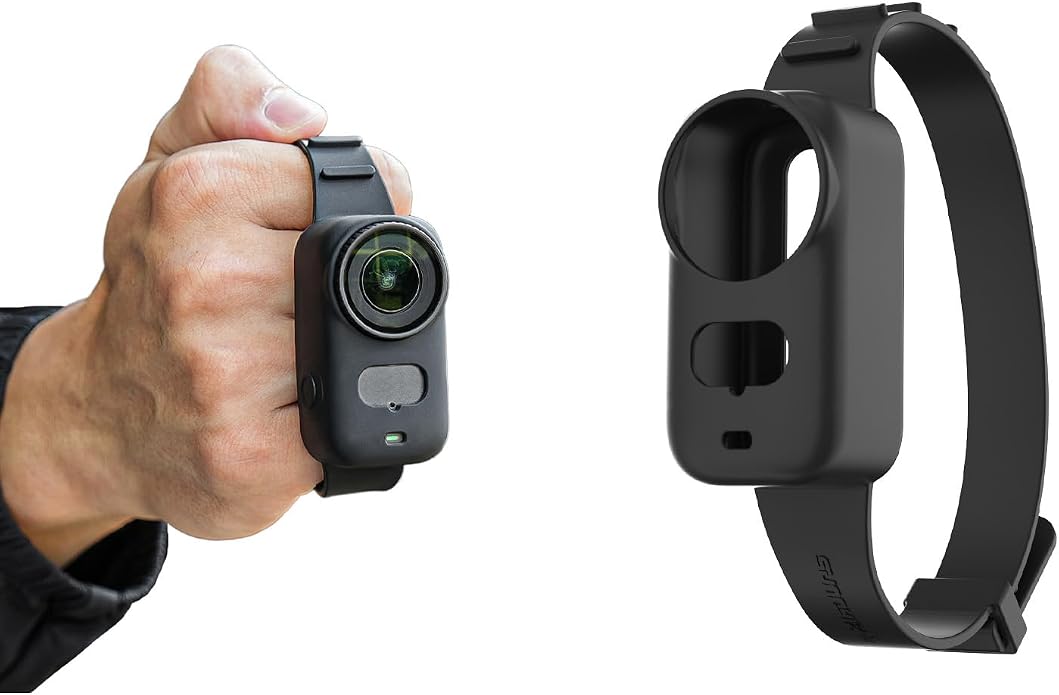
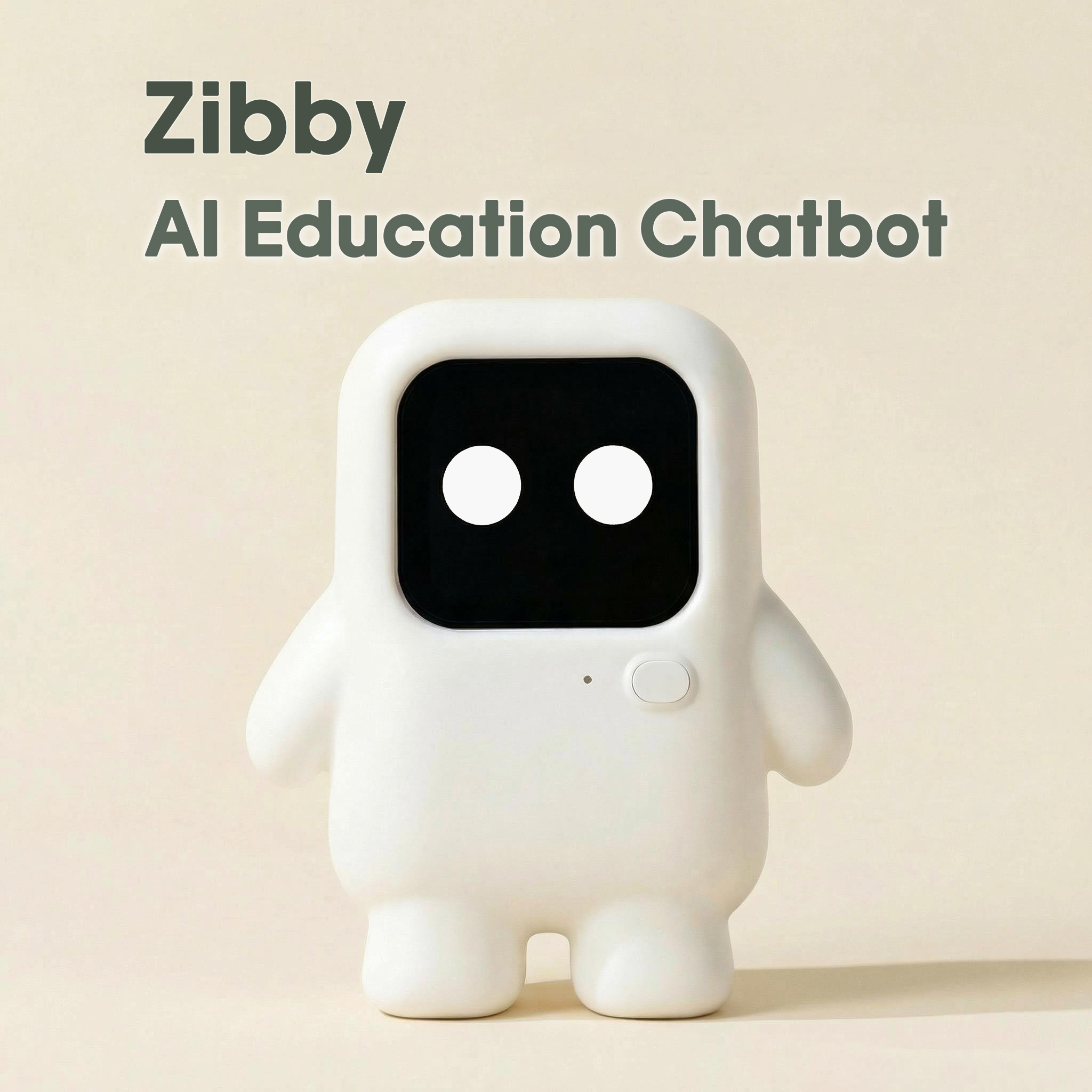
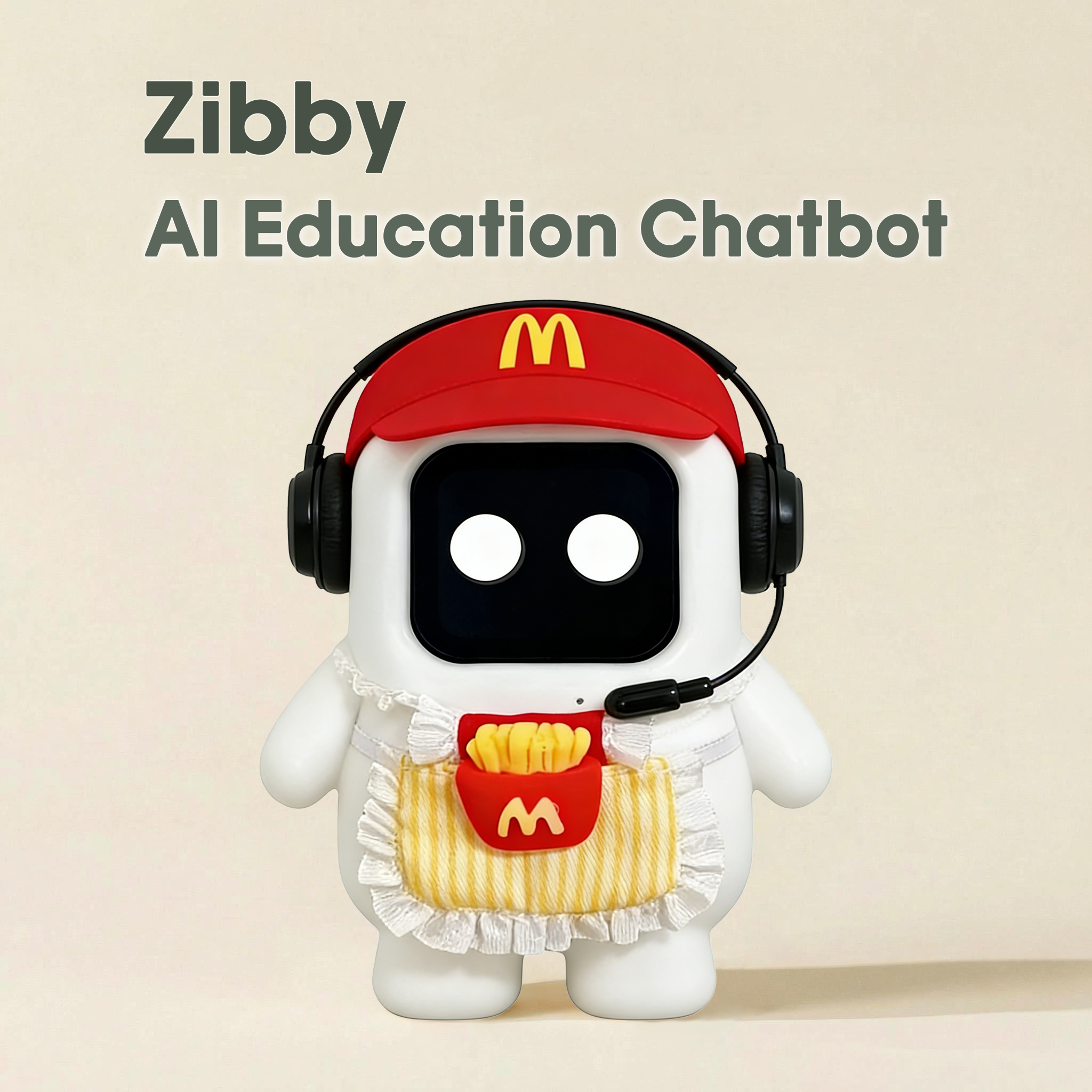
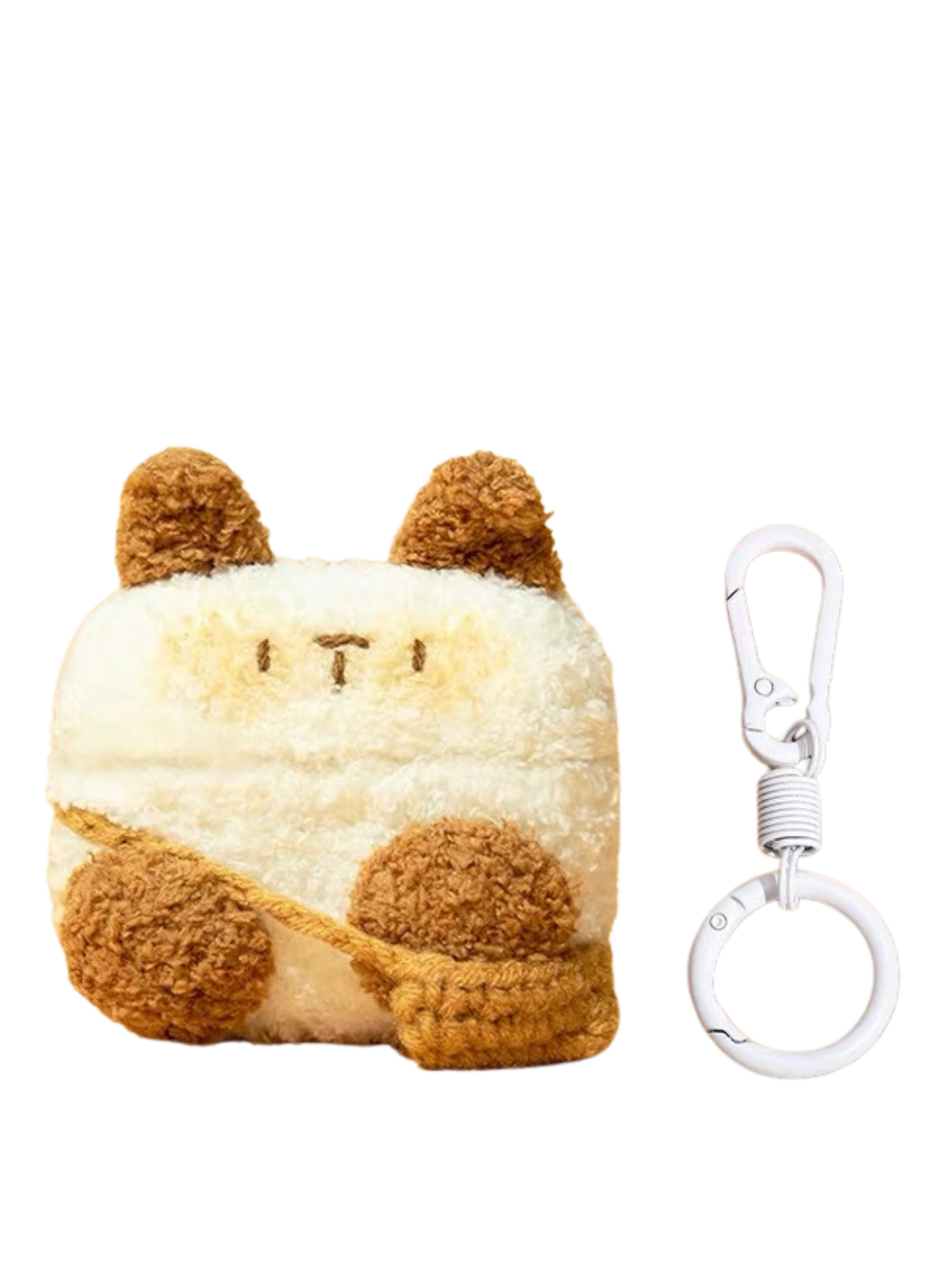
Food-grade silicone ergonomic mount designed for hands-free first-person-view robot telemetry streaming, mobile recording, and rugged field robotics experimentation.
Future Sourcing & Technological Trends in Kids Coding Robotics
A deep-dive technical overview for enterprise buyers navigating generative AI integration, child privacy compliance, and supply chain resilience.
Convergence of Large Language Models & Scratch Coding
Traditional coding robots relied entirely on deterministic, rule-based firmware where children drag static visual code blocks to execute linear movements. The industry is rapidly shifting toward Generative-AI Prompt-to-Code architectures. In this next-generation paradigm, embedded LLMs (such as DeepSeek, Doubao, and fine-tuned lightweight Qwen models) translate spoken natural language into executable Python or block snippets. Buyers must prioritize factories that maintain dedicated embedded software teams capable of bridge-compiling cloud LLM outputs into real-time motor controller actions.
COPPA, GDPR-K & Hardware Edge Privacy
Global regulatory oversight for children's smart electronics has reached historic intensity under the U.S. COPPA Rule updates and EU GDPR Article 8 (GDPR-K). Inbound shipments face stringent customs audits targeting unencrypted cloud audio pipelines. Sourcing directors must transition from toys with uncontrolled cloud streaming to hardware with hardware-isolated cryptographic elements, on-device biometric mute toggles, and localized edge inference for voice-activation triggers that never upload unencrypted ambient audio to third-party endpoints.
Dual-Path Cellular (4G eSIM) & Wi-Fi Ubiquity
Historically, educational robots failed consumer retention metrics due to brittle Wi-Fi 2.4GHz handshakes during initial setup, yielding retail return rates exceeding 14%. Sourcing trends for 2025–2030 illustrate exponential preference for hybrid cellular LTE-M/4G SIM architectures. By integrating embedded cellular transceivers alongside dual-band Wi-Fi, tier-one manufacturers enable friction-free unboxing, automatic cloud-curriculum synchronization, and continuous functionality across school buses, parks, and outdoor STEM educational environments.
Factory Technology Matrix
Engineering Capabilities of the Shenzhen Manufacturing Cluster
How our vertically integrated facility overcomes component bottlenecks, high-speed motor tolerances, and strict international safety standards.
Precision Tooling & Child-Safe ABS
High-precision injection tooling utilizing food-grade, high-impact non-toxic polymers compliant with EN71 Part 3 and ASTM F963 heavy metal restrictions. Structural drop tolerances withstand 1.5-meter drop tests on high-density concrete surfaces without structural fracture.
SMT & Embedded Microelectronics
Surface-mount technology (SMT) lines configured for multi-axis sensor fusion, incorporating high-accuracy 6-axis IMUs, time-of-flight (ToF) optical obstacle collision avoidance sensors, and energy-efficient ARM Cortex core controller architectures.
Multi-Model Cloud Orchestration
Proprietary software API routing that alternates intelligently between DeepSeek-V3, Alibaba Cloud Qwen, and ByteDance Doubao depending on target export market requirements, latency parameters, safety firewalls, and specific educational target goals.
Comprehensive Laboratory Testing
Rigorous multi-stage burn-in tests, 10,000-cycle touch-panel actuation analysis, high-temperature thermal dissipation testing under peak computing loads, and EMC radiation screening ensuring seamless European CE, RED, and US FCC certification.
Factory Advantage
Why Global Tier-1 Importers Partner with Shenzhen Mardijai Technology
Established in 2013, our 2,000m² Feiyang Building development center bridges the gap between deep AI software engineering and high-volume export execution.
In-House Team of 21–30 R&D Engineers
Unlike standard trading operations or pure assembly shops, our in-house engineering team commands full-stack capability covering RTOS kernel development, PCB layouts, acoustic engineering, and child-specific LLM system prompting. This allows custom OEM/ODM feature turnaround in as little as 10 business days for functional prototypes.
Systemic 11–20 Member Dedicated QC Team
Quality control operates under strict MIL-STD-105E sampling standards with 100% functional station tests on speaker clarity, microphone gain ratios, battery charge cycles, and motor stall currents. We provide transparent, signed batch inspection reports prior to cargo dispatch.
Expedited Lead Times & Shenzhen Port Logistics
Headquartered in the global electronics capital with fast access to Shenzhen Yantian and Shekou international container terminals. We guarantee standard repeatable production runs in 20 days with full DDP and DAP customs handling across North America, Europe, Oceania, and Latin America.
Crucial commercial, technical, and regulatory clarifications for wholesale distributors, private label brands, and school system suppliers.
What is the typical Minimum Order Quantity (MOQ) for custom OEM/ODM coding robot projects?
For standard inventory models branded with private-label custom silk-screened logos, customized packaging, and localized boot screen graphics, our entry MOQ starts at 500 units. For comprehensive ODM projects involving proprietary plastic injection mouldings, custom PCB redesigns, bespoke sensor configurations, or unique acoustic chamber geometry, the standard initial pilot run is typically 2,000 to 3,000 units, backed by milestone-based prototype sign-offs.
How does your factory ensure compliance with US and European child online safety regulations?
Our software stack is built specifically to address the stringent requirements of COPPA (USA) and GDPR-K (Europe). Devices do not collect personal identifiable information (PII). Voice interactions are converted locally or over TLS 1.3 encrypted connections, stripped of voice metadata, processed exclusively for intent extraction, and discarded without unauthorized retention. For hardware clients with proprietary server infrastructure, we offer complete API endpoint redirection so all telemetry remains securely within your regional cloud tenancy.
Can the internal Large Language Model (LLM) be changed or localized for non-English markets?
Yes. Our modular software framework natively supports multi-engine API switching. While our standard configurations leverage DeepSeek, Doubao, or Qwen for unmatched conversational fluidity and cost efficiency, we routinely configure alternative backend endpoints (such as OpenAI, Anthropic, or proprietary local national LLM services) for European, Latin American, or Middle Eastern distributors. Localized text-to-speech (TTS) voice profiles can be matched with appropriate regional accents and native phonetic lexicons.
What certifications do your educational robots hold for international customs clearance?
Our production base operates under ISO 9001 quality management standards. Product lines have verified documentation covering CE (EN71 parts 1, 2, and 3; EN62115 for electronic toys), RoHS 2.0 chemical compliance, RED (Radio Equipment Directive for EU wireless), and US FCC ID parts 15B and 15C certification. Battery modules are certified under UN38.3, MSDS, and IEC 62133 to ensure safe sea and air shipping across all major international freight corridors.
What is the standard production timeline and sampling process for international buyers?
Functional, non-branded evaluation samples are dispatched within 3 to 5 business days via air courier. Customized OEM samples with complete branded packaging and firmware tailoring typically require 10 to 14 days. Once pre-production samples (PPS) receive formal stakeholder sign-off, standard mass production cycles are finalized within approximately 20 days. Shipments leave direct from Shenzhen Yantian port via Ocean freight, or via air cargo from Shenzhen (SZX) or Hong Kong (HKG) international airports.
How do you support after-sales service, firmware bug fixes, and hardware component warranty?
We provide a 12-month standard industrial hardware warranty on all core components, including microcontrollers, motor drive units, and battery systems, supplemented by a 1% to 2% spare components allocation with every bulk shipment. Software bugs and firmware vulnerabilities are managed via over-the-air (OTA) updates backed by dedicated cloud maintainers, minimizing warranty returns and sustaining product lifetime value for retail brands.
Transform Your STEM & AI Educational Portfolio
Partner directly with Shenzhen Mardijai Technology Co., Ltd. for factory pricing, high-throughput manufacturing, and custom multi-model AI coding robot engineering.