Enterprise Sourcing Catalog: Smart Voice & Robotics Lineup
Direct wholesale catalog featuring market-ready conversational robots, embedded AI companion electronics, and high-performance robotic hardware frames manufactured under certified industrial standards.
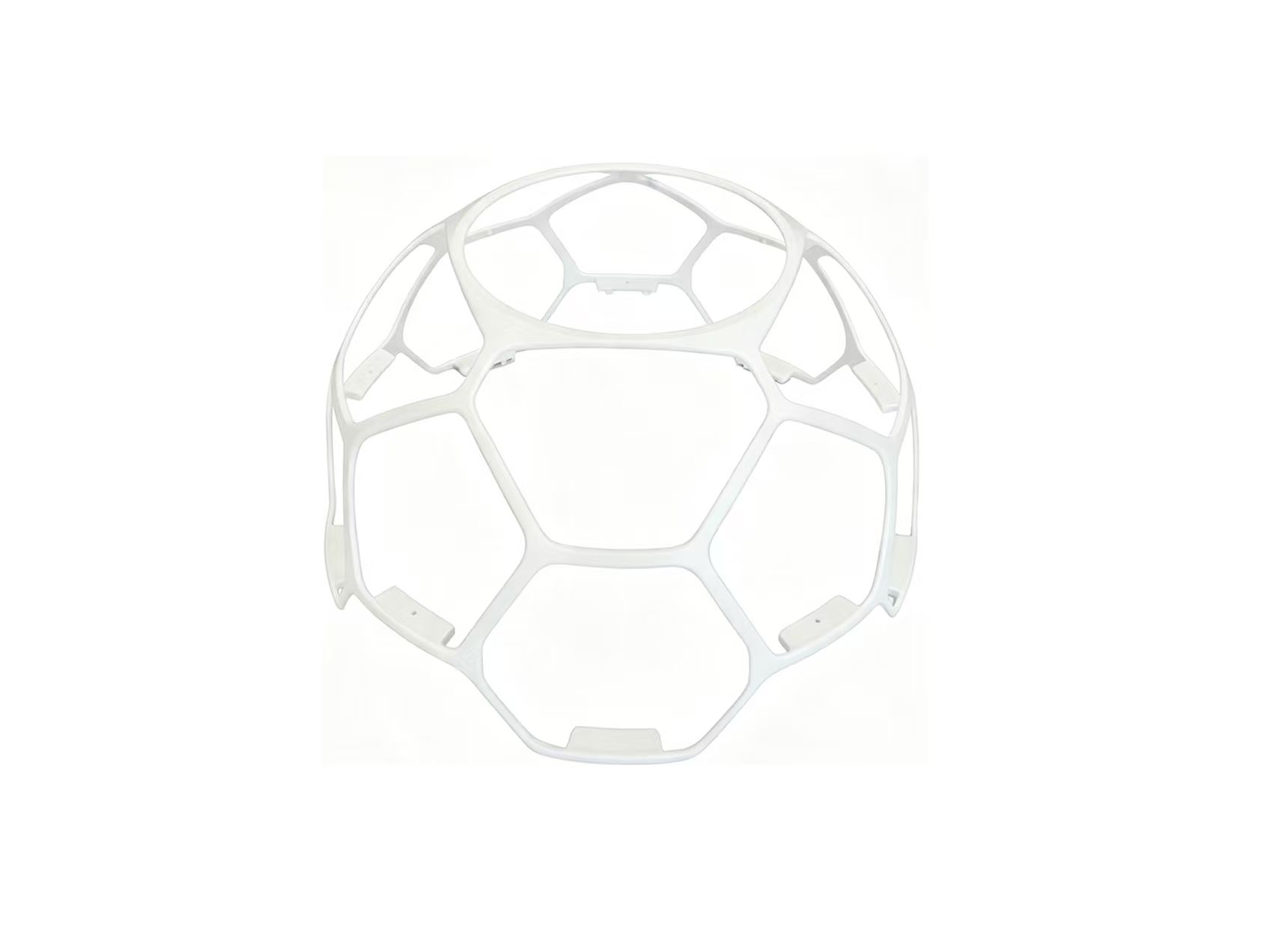
Drone Soccer Frame Suitable Flying Drones Ball Competitive Drone F1A
Ultra-resilient spherical collision protective exoskeleton designed for professional aerial athletics, robotics STEM curricula, and RC FPV racing.

WIFI AI Talking Cotton Mesh Plush Toy Voice Recognition Learning Doll
Natural speech conversational companion engineered with cloud ASR, child-safe mesh cotton texture, and bidirectional interactive educational prompting.
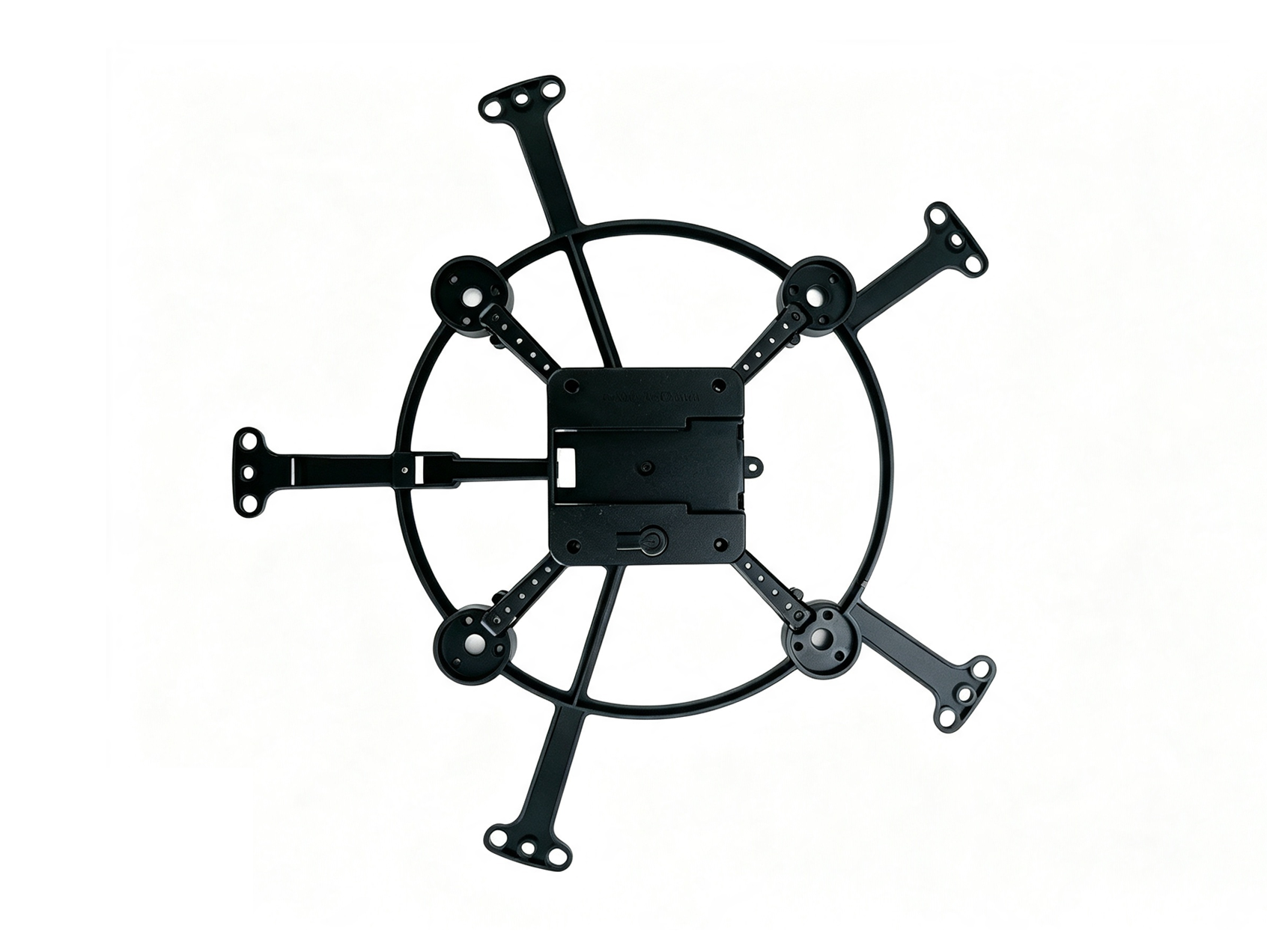
Drone Soccer Frame Base Plate Competitive Drone for Quadcopter F1A
Precision-milled structural base mount plate with high torsional rigidity for flight stabilization, shock dispersion, and payload electronic stack security.
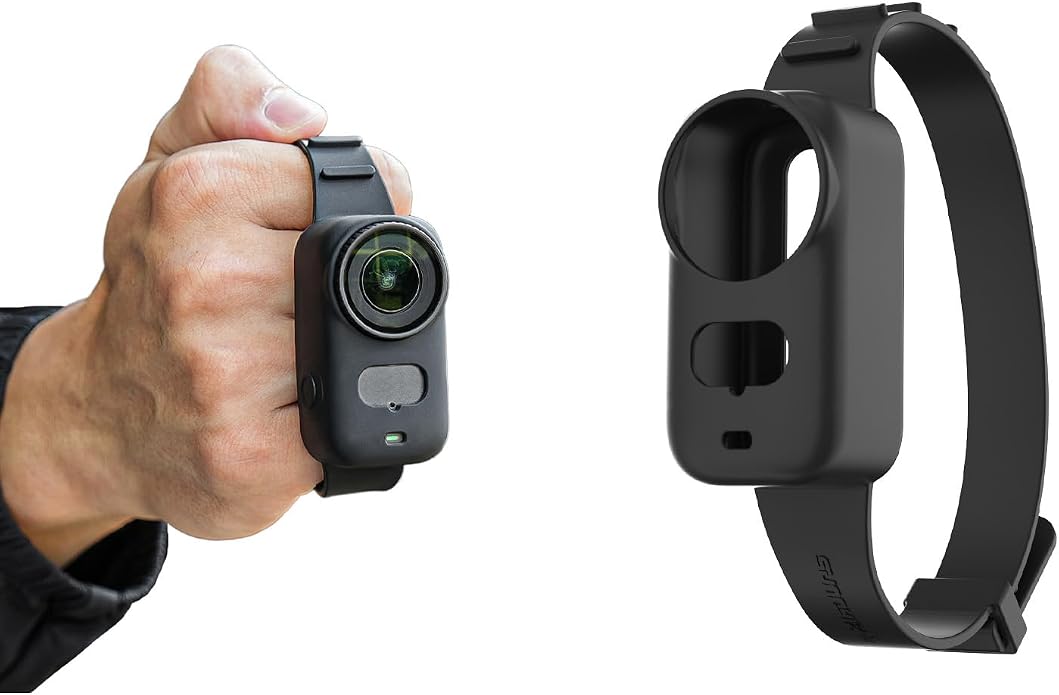
Adjustable Silicone Wrist Strap Video Transmitter Protective Cover
Hypoallergenic ergonomic silicone enclosure engineered for sports camera sensor pods, wearable robotics modules, and dynamic video transmitter nodes.
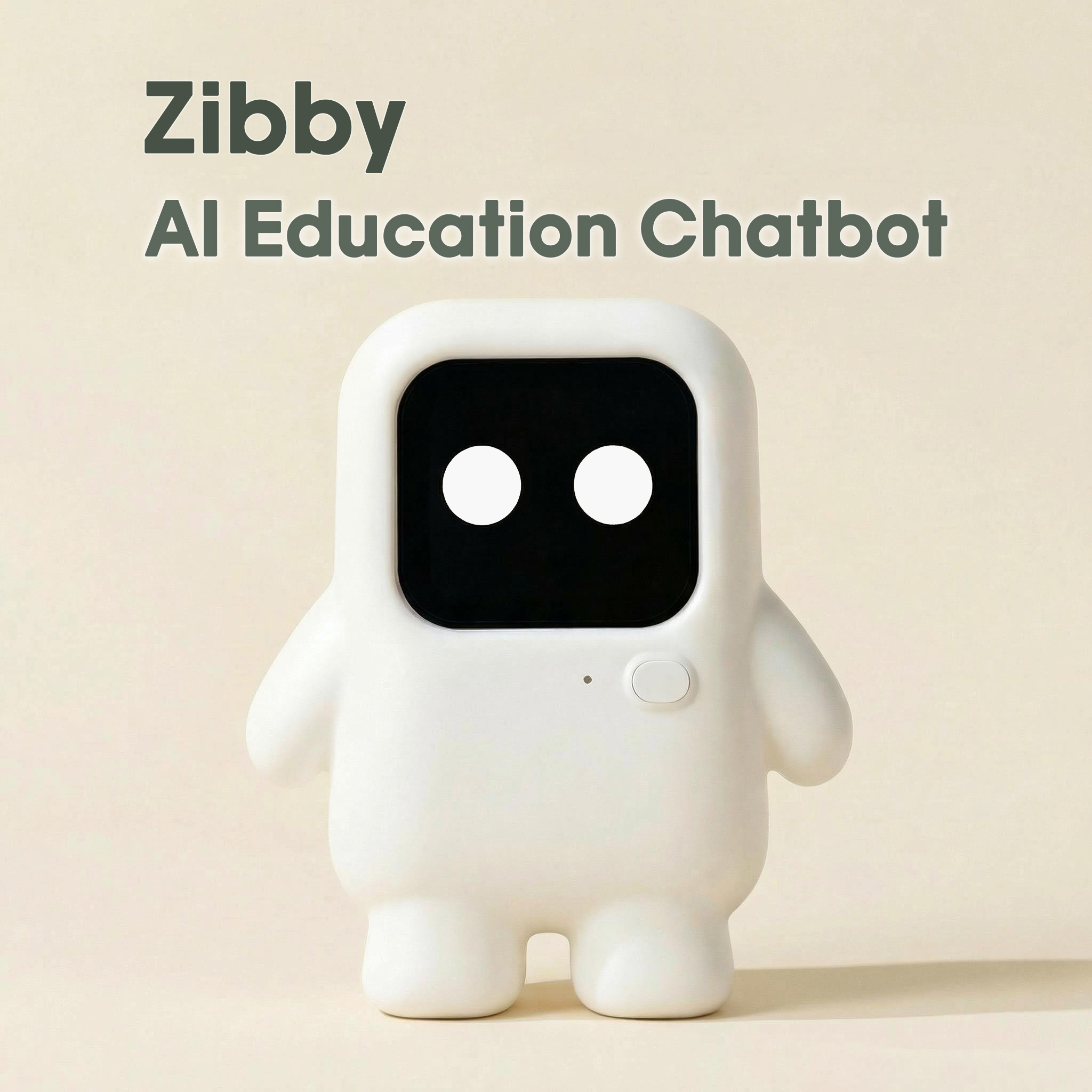
Zibby 4G & Wi-Fi Touch Screen Smart Kids AI Voice Chatbot Robot
Flagship conversational hardware featuring multi-LLM runtime (DeepSeek, Doubao, Qwen), capacitive touch IPS screen, 4G SIM mobility, and parental dashboard.
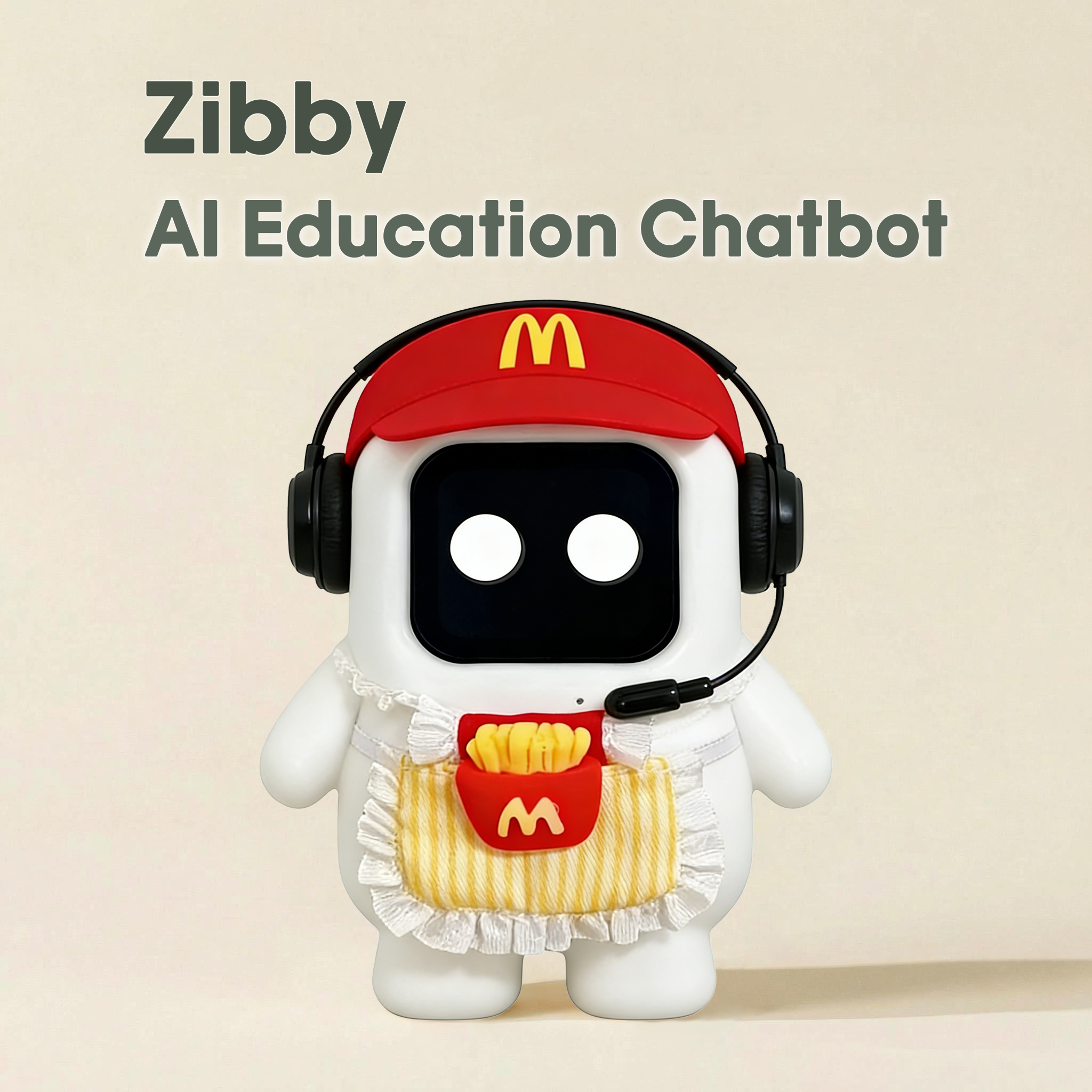
OEM Turnkey Custom Branded Conversational AI Robot Platform
Modular hardware platform ready for custom tooling, boot animations, regional voice models, proprietary wake words, and bilingual curriculum bundling.
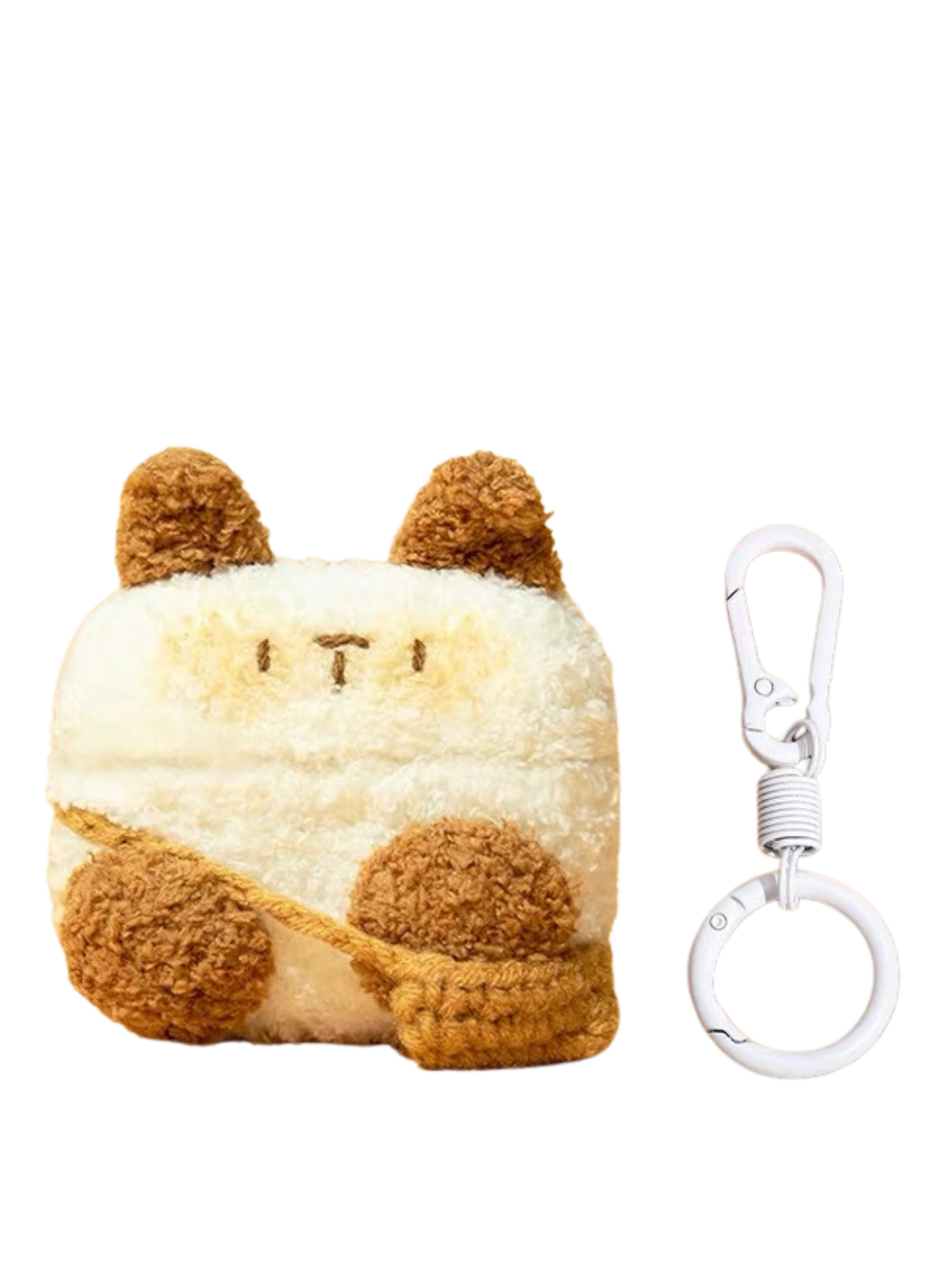
Interactive AI Emotional Companion & Storytelling Voice Robot
Designed for active listening, empathetic conversational branching, dynamic storytelling, and bedtime routine management with zero optical screen strain.

Dual-Mode Cellular & Wi-Fi Smart Classroom Learning Robot
Export-optimized conversational robot built for school environments and institutional importers, fully verified with CE, FCC, and RoHS compliance.
Global Market Dynamics & Future Sourcing Trends (2025–2030)
A technical, economic, and supply chain analysis for international consumer electronics importers, retail chain buyers, and educational technology brand owners navigating next-generation voice AI hardware procurement from China.
From Rigid Rule-Based Firmware to Generative Agentic LLM Hardware
For more than a decade, interactive educational toys were constrained by hard-coded microcontrollers (MCUs) executing static tree-based audio playback triggered by pre-recorded sound files. The wholesale landscape has radically transformed due to large model distillation and embedded neural processing units (NPUs). Procurement departments are phasing out legacy MCU toys in favor of unified embedded systems running streamlined RTOS or customized Android kernel frameworks capable of real-time multi-turn agentic conversations.
This generational technological leap introduces profound procurement implications: toys are no longer evaluated simply on casing durability and raw injection molding cost per unit. Sourcing directors must now audit inference pipeline latency, automatic speech recognition (ASR) dialect accuracy, token utilization economics, and edge-to-cloud security handshakes.
- Decoupled Hardware/Model Architectures: Modern AI robots separate the physical chassis, display driver, and audio processing from cloud endpoints, enabling overseas brand owners to switch LLM backbones (e.g., DeepSeek, Doubao, Qwen, or custom OpenAI endpoints) without retooling hardware.
- Continuous Content Monetization: Firmware-Over-The-Air (FOTA) architectures allow global distributors to monetize specialized subscription-based content packs, foreign language tutoring modules, and cognitive training scenarios long after retail checkout.
Stringent Global Child Data Privacy Regulations
Regulatory scrutiny around voice capture devices aimed at minors is at an all-time high. Procurement authorities are strictly required to verify compliance before customs clearance:
- COPPA 2.0 (USA): Zero biometric voice footprint storage without verifiable parental consent; local wake-word buffers that flush within milliseconds.
- GDPR-Kids & EU AI Act (Europe): Mandatory localized data routing within European Union cloud boundaries; high-tier classification requirements for interactive toys influencing child psychological development.
- On-Device Guardrails: Pre-filtering prompts on the edge processor to reject toxic or inappropriate speech inputs before payloads transmit over cellular or Wi-Fi networks.
Dual Connectivity Mandate: 4G Cellular + Wi-Fi 6
Historically, Wi-Fi-dependent hardware suffered massive consumer return rates (exceeding 18% in specific retail categories) triggered by complex 2.4GHz home router pairing failures, portal login barriers, and dead-zones outside the home. Strategic procurement data indicates over 62% of Tier-1 buyers now mandate eSIM or Nano-SIM 4G cellular connectivity alongside dual-band Wi-Fi. This ensures uninterrupted conversational interaction in transit, automobiles, parks, and classrooms, unlocking higher perceived market value and consumer review velocity.
The Shenzhen Supply Cluster: Unrivaled Velocity & BOM Compression
Shenzhen remains the undisputed global capital of smart consumer robotics engineering. Operating within the Pearl River Delta industrial ecosystem allows Shenzhen Mardijai Technology Co., Ltd. (MardijAI) to source certified surface-mount technology (SMT) assemblies, customized tooling molds, acoustic MEMS sensor arrays, and optical displays within a 30-kilometer logistical radius. This hyper-dense supply chain affords global buyers three non-replicable commercial advantages:
- Agile Prototyping: Rapid physical CNC prototyping, 3D casing validation, and functional PCBA sampling completed in 7–10 calendar days versus 6–8 weeks in competing overseas regions.
- BOM Optimization Without Compromise: Direct component allocations from domestic chip fabricators and tier-one battery suppliers reduce baseline bill-of-materials (BOM) costs by 22% to 35% compared to non-integrated assemblers.
- Direct Port Access: Direct container staging out of Shenzhen Yantian Port with established DDP (Delivered Duty Paid) and DAP (Delivered at Place) ocean/air routes to North America, Europe, South America, and the Middle East.
Multi-Model Audio & Inference Pipeline Architecture
Inside every high-performance conversational unit engineered by MardijAI is an optimized, low-latency edge-to-cloud signal chain. By combining dedicated hardware acoustic front-ends with resilient cloud arbitration layers, we achieve human-like latency under 600 milliseconds from end-of-speech to sound synthesis.
Acoustic Front End (AFE)
Dual or quad omnidirectional MEMS microphones paired with hardware DSP algorithms executing Acoustic Echo Cancellation (AEC), Beamforming, and Noise Suppression to isolate children's high-pitch speech in noisy environments.
Edge VAD & Encryption
Sub-millisecond Voice Activity Detection (VAD) on the local processor initiates instant TLS 1.3 encrypted audio streaming while filtering non-vocal background noise, preserving both battery reserves and cloud bandwidth.
Multi-LLM Dynamic Routing
Cloud gateway directs conversational payloads to the ideal large language model—DeepSeek for analytical depth, Doubao for expressive pedagogical dialogue, or Qwen for multilingual versatility—with custom prompt filters safeguarding content.
Streaming TTS & Lip Sync
Token-streaming Text-to-Speech (TTS) engine begins audio synthesis after the first generated word tokens, synchronizing screen micro-expressions, interactive eye movements, or mechanical mouth servos simultaneously.
Technical Specification & Supplier Evaluation Matrix
A granular side-by-side engineering comparison illustrating why tier-one electronics distributors select MardijAI's standardized Zibby platform over legacy and generic market competitors.
| Evaluation Parameter | Legacy Electronic Toys | Generic Marketplace Robots | MardijAI Flagship Architecture (Zibby Platform) |
|---|---|---|---|
| AI Processing Model | Pre-recorded audio chips; static tree prompts; zero comprehension. | Single generic API hook; prone to high latency and hallucination. | ✓ DeepSeek + Doubao + Qwen multi-model routing with custom brand API failover. |
| Network Interface | Offline only; USB transfer required for manual file updates. | 2.4GHz Wi-Fi only; frequent router pairing disconnects. | ✓ Dual Connectivity: High-speed Wi-Fi + Global 4G LTE SIM Card mobility. |
| Acoustic Hardware | Single standard condenser mic; no noise filtering. | Single MEMS mic; struggles past 0.5 meters distance. | ✓ Dual-microphone array with dedicated DSP, AEC, and far-field 3-5m pickup. |
| Visual Interaction | Static painted plastic eyes or monochrome segment LCD. | Fixed low-res TN panel with limited viewing angles. | ✓ Responsive capacitive IPS color touch screen with dynamic emotional UI states. |
| Housing & Child Safety | Standard recycled plastic, prone to cracking and sharp edges. | Standard ABS without documented chemical migration tests. | ✓ Virgin, impact-resistant, non-toxic ABS/PC housing certified for EN71/ASTM F963. |
| OEM/ODM Flexibility | Strictly off-the-shelf; no software alteration possible. | Exterior logo printing only; locked cloud backend. | ✓ Full firmware customization: boot animation, localized LLM, proprietary wake words. |
| Quality Inspection | Random spot checks (AQL 2.5/4.0); no batch burn-in testing. | Outsourced third-party testing with variable accountability. | ✓ 11–20 dedicated in-house QC inspectors; 100% 48-hour functional thermal aging. |
| Mass Production Lead Time | 45–60 business days. | 35–45 business days. | ✓ ~20 days standard mass run; rapid sample turnaround via Shenzhen facilities. |
Why Tier-1 Importers Partner With Shenzhen Mardijai Technology Co., Ltd.
Combining tenured technical heritage, integrated industrial design, and certified international export frameworks to safeguard your product line from concept to retail packaging.
2,000m² Certified Shenzhen Facility
Founded in 2013, MardijAI operates an advanced production facility in Shenzhen featuring automated SMT lines, ultrasonic welding bays, clean-room assembly lines, and dedicated acoustic calibration testing chambers. Our infrastructure provides scalable output capable of supporting boutique education initiatives up to multi-national big-box retail launches.
21–30 Specialized R&D Professionals
Our internal engineering department brings together veteran firmware architects, embedded Linux/Android engineers, high-frequency RF specialists, industrial mechanical designers, and pediatric UX researchers. This comprehensive multidisciplinary depth allows rapid adaptation to client specifications without relying on external contracting agencies.
Rigorous In-House Quality Assurance
Quality control is maintained through a dedicated team of 11–20 full-time QC inspectors implementing a strict four-stage verification protocol: Incoming Quality Control (IQC), In-Process Quality Control (IPQC), Final Quality Control (FQC), and Outgoing Quality Control (OQC) including multi-axis drop, high-low temperature thermal shock, and continuous RF stress testing.
End-to-End Turnkey OEM/ODM Development Path
Whether introducing an existing proven platform under your private brand label (OEM) or designing an entirely bespoke interactive companion robot from scratch (ODM), MardijAI provides a transparent, milestone-driven execution process:
Frequently Asked Questions on AI Voice Robot Procurement
Direct, technically precise answers addressing real-world international trade inquiries, compliance certifications, hardware durability, and software licensing.
Our standard platforms run on a multi-model architecture incorporating DeepSeek, Doubao, and Qwen, chosen dynamically based on conversational intent and language dialect. For OEM and ODM clients, our firmware is fully model-agnostic. We can redirect client instances to proprietary OpenAI (GPT-4o), Anthropic, Microsoft Azure AI, or regionally hosted custom endpoints, ensuring total control over conversational governance, data isolation, and API cost allocation.
Privacy compliance is engineered directly into our hardware and cloud network topology. Voice input data is processed transiently in volatile memory strictly to generate text tokens; raw audio buffers are purged immediately following STT transcription. No personal identifiers or child voice profiles are retained for algorithmic training without explicit parental consent via an encrypted companion mobile application. Hardware microphones can also be physically deactivated via a dedicated manual power cutoff switch.
To support international market exploration, standard ready-to-ship MardijAI branded models feature an accessible trial MOQ starting from 100 to 500 units. For white-label OEM customization—including custom client laser logo engraving, customized silk-screen branding, personalized packaging gift boxes, and unique software boot screens—the standard MOQ is typically 1,000 units. Bespoke ODM projects requiring custom injection molds, internal PCBA re-engineering, or distinct mechanical actuation typically initiate at 3,000 to 5,000 units.
We integrate modular, internationally certified cellular baseband modules. During order specification, we configure our hardware with the specific frequency band matrix matching the target destination: B2/B4/B5/B12/B13/B66/B71 for North American carriers, B1/B3/B7/B8/B20/B28 for European and Middle Eastern operators, and relevant regional bands for South America and APAC. Devices support either standard Micro/Nano-SIM slots or cloud-provisioned eSIM profiles.
Standard production lead time for repeat or standard wholesale volumes is approximately 20 business days following final sample validation and commercial sign-off. First-run OEM orders requiring custom packaging and firmware flashing typically dispatch in 25–30 days. Shipments stage directly from our factory floor to Shenzhen Yantian Port or Shenzhen Bao'an International Airport. We support standard international commercial terms including EXW, FOB, CIF, DDP, and DAP.
Our products are engineered and tested in accordance with international consumer electronics and toy safety protocols. This includes CE (EMC and RED directives for radio devices), FCC Part 15 Class B certification for North American digital apparatus, RoHS Directive (EU) 2015/863 hazardous material restrictions, and safety compliance for mechanical stability, flammability, and heavy metals under EN71 and ASTM F963. Comprehensive factory audit documents and lab test certificates are shared with qualified buyers during the contract phase.
Accelerate Your AI Robotics Portfolio With Shenzhen's Premier Manufacturer
Whether you are seeking a turnkey container load of market-tested Zibby 4G conversational robots or engineering a proprietary, exclusive next-generation learning companion, our engineering team in Shenzhen is ready to deliver your exact product specifications.