High-Performance FPV Quadcopter Engineering Parts
Manufactured to aerospace-grade tolerances (±0.02mm), optimized for racing agility, competitive drone soccer leagues, freestyle cinema, and high-shock UAV applications.
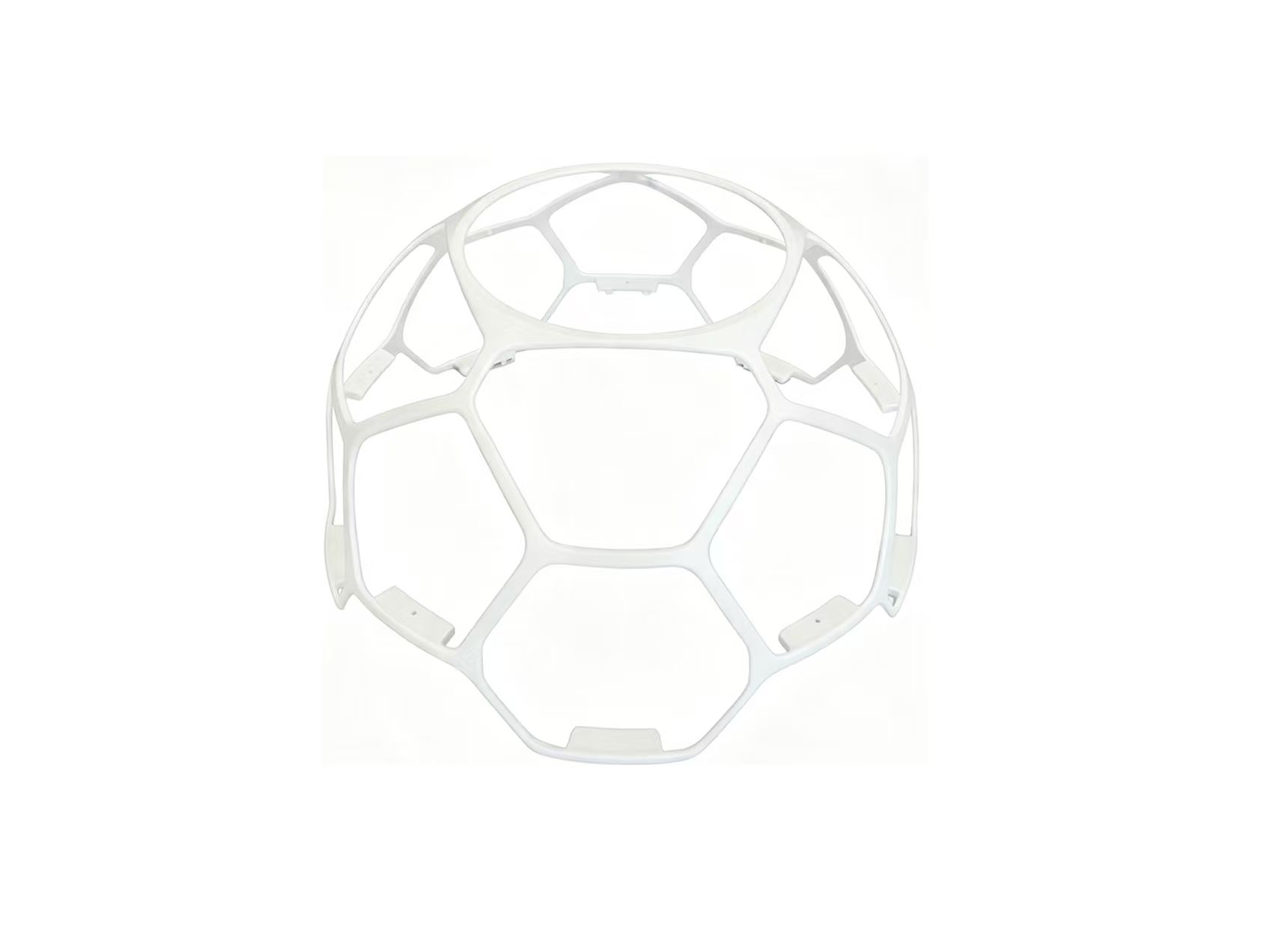
Drone Soccer Frame Suitable for Soccer Flying Drones RC Racing FPV Quadcopter F1A
Full 360-degree high-impact polycarbonate cage structure engineered for competitive FAI F9A/F1A drone soccer matches. High kinetic rebound and motor protection.
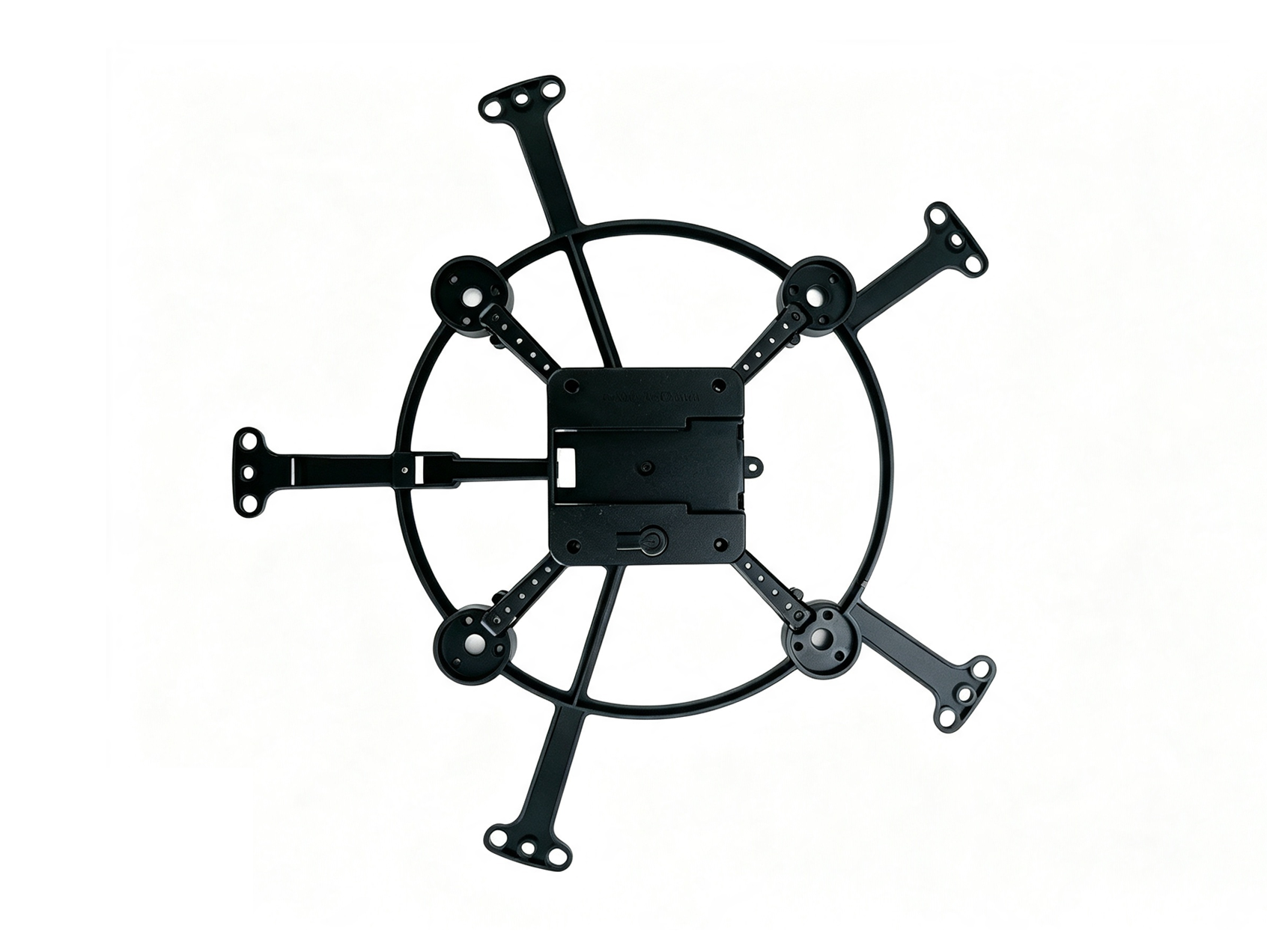
Drone Soccer Frame Base Plate Competitive Drone for RC Racing FPV Quadcopter F1A
CNC chamfered 3K quasi-isotropic carbon fiber chassis base plate. Ultra-rigid torsional stiffness with universal 20x20mm and 25.5x25.5mm stack mounting.
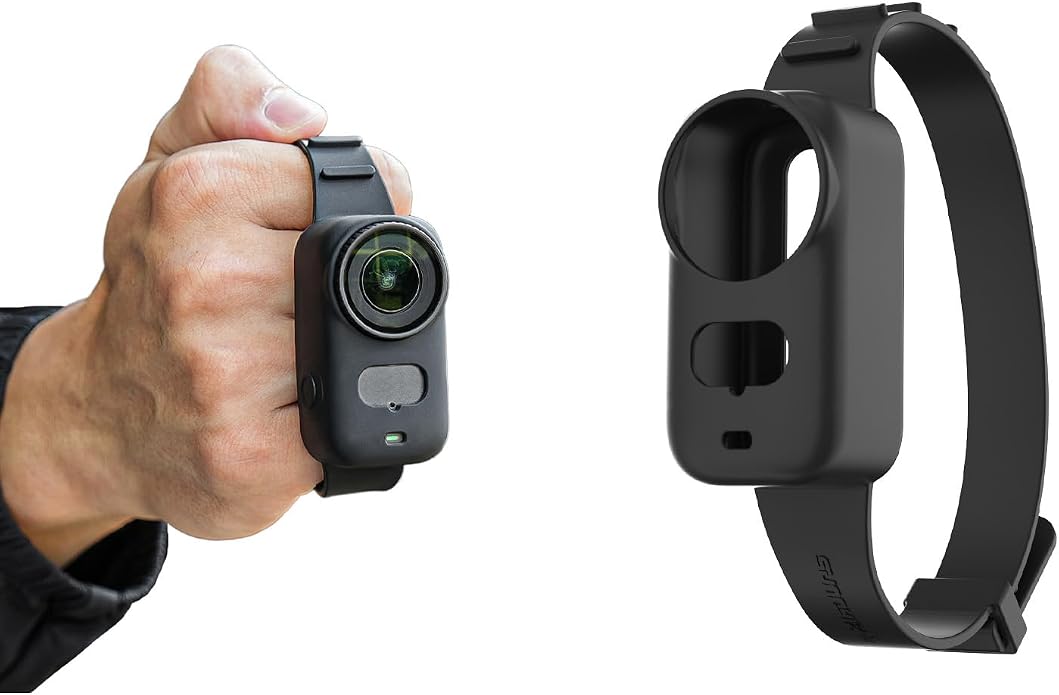
Adjustable Silicone Nano Sports Camera & Video Transmitter Protective Cover
Medical-grade liquid silicone housing offering vibration isolation, scratch resistance, and impact dissipation for micro action cameras and digital HD VTX transmitters.

WIFI AI Interactive Companion Controller Core Module & Audio Voice Enclosure
Intelligent interactive audio module featuring low-latency Wi-Fi recognition, embedded DSP microphone array, and lightweight housing suitable for robotics and smart companions.

Precision CNC Carbon Fiber 5-Inch Freestyle & Racing Quadcopter Airframe Kit
5.5mm quick-release carbon fiber arms with reinforced 7075-T6 aluminum standoffs. Optimized low drag geometry tailored for 6S high-speed acrobatic racing.

High-KV Outrunner Brushless Racing Motor & Dynamic Balanced Stator Assembly
Equipped with N52SH curved neodymium arc magnets, Kawasaki 0.15mm silicon steel laminations, and NSK high-RPM bearings. Dynamically balanced to ≤1.5mg.

Micro Digital HD VTX Aerodynamic Canopy & Injection Molded TPU Shock Mounts
Injection molded polycarbonate aerodynamic hood with customized 3D printed/molded 95A TPU mounts designed for DJI O3, Walksnail Avatar, and HDZero digital systems.
F722/F745 Dual Gyro Flight Controller & 60A 8-Layer 3oz Copper 4-in-1 ESC Stack
SMT populated PCB assembly with high thermal dissipation MOSFETs, dual low-noise ICM42688P IMUs, onboard blackbox flash, and 128KHz PWM BLHeli_32/AM32 firmware.
Industrial-Grade Manufacturing Ecosystem for FPV Airframes & Components
First-Person View (FPV) quadcopter manufacturing has transitioned from a specialized hobbyist craft into a rigorous, industrialized aerospace discipline. Modern quadcopters deployed in tactical inspections, competitive FAI drone racing, cinematography, and educational STEM drone soccer operate in extreme aerodynamic envelopes. Rotor RPMs regularly exceed 35,000 RPM, translating into instantaneous accelerations reaching up to 15G and rotational roll rates over 2,000 degrees per second. Consequently, structural components and avionics modules must exhibit exceptional structural integrity, harmonic dampening, thermal mitigation, and electromagnetic shielding.
As one of China’s leading FPV quadcopter parts manufacturers and exporters based in Shenzhen’s high-tech industrial corridor, our facilities engineer high-performance drone sub-assemblies through vertically integrated manufacturing workflows. We mill authentic Toray high-modulus T300/T700 carbon fiber sheets with diamond-coated CNC endmills, injection mold impact-resistant engineering polymers (polycarbonate, nylon 66, and elastomeric TPU), surface mount heavy-copper flight control and speed regulator PCBs, and dynamically balance high-torque brushless stators.
Core Engineering Principle: In high-frequency vibrational environments, the structural resonant frequency of the quadcopter chassis must never align with the PID loop controller's notch filter range (100Hz – 400Hz). Our quasi-isotropic carbon fiber layering techniques deliver superior harmonic damping, reducing sensor noise at the gyro hardware level before firmware filtering is applied.
Carbon Fiber Metallurgy
Multi-axial 0°/90°/45° woven Toray 3K carbon sheets vacuum-bonded with high-glass-transition-temperature (Tg > 140°C) epoxy resins to prevent structural delamination under catastrophic impact.
Micro-Precision CNC Machining
High-speed water-cooled CNC milling centers with diamond router bits maintain ±0.02mm dimensional tolerances, guaranteeing effortless field assembly, seamless motor alignment, and precise press-nut fitting.
Thermal & SMT Engineering
8-layer TG-170 FR4 ESC circuit boards populated with 3oz copper pours, low-RDS(on) N-channel trench MOSFETs, and Japanese ceramic damping capacitors to withstand burst loads of 70A per channel.
B2B Material & Performance Specification Matrix
The table below provides engineering teams and enterprise procurement executives with critical material benchmarks, testing protocols, and manufacturing thresholds deployed across our Shenzhen production lines:
| Component Group | Material Specification | Testing Protocol | Manufacturing Tolerance | B2B Advantage |
|---|---|---|---|---|
| Chassis Base & Arms | Torayca T700 3K Twill Carbon Fiber | Tensile Modulus ≥ 230 GPa; ASTM D3039 | ±0.02 mm (CNC water-milled) | High Fracture Toughness |
| Drone Soccer Cages | High-Impact Elastic Polycarbonate Blend | Izod Impact ≥ 850 J/m; ISO 180 | ±0.05 mm (Precision Tooling) | 360° Kinetic Deflection |
| Standoffs & Hardware | 7075-T6 Aerospace Aluminum / Grade 12.9 Steel | Yield Strength ≥ 503 MPa; Hardness 150 HB | Class 6H Thread Fit Standard | Anti-Stripping Longevity |
| Brushless Motors | 0.15mm Kawasaki Silicon Steel, N52SH Neodymium | Dynamic Balance ≤1.5 mg; 180°C Thermal Class | Stator Concentricity ≤ 0.015 mm | Zero Flux Leakage |
| Electronic ESC Stacks | 8-Layer TG-170 FR4 / 3oz Copper Layers | 100% Automated Optical Inspection (AOI) + Burn-in | IPC-A-610 Class II & III | Extreme Burst Current |
| Protective Accessories | Elastomeric 95A Polyurethane / Food-Grade Silicone | Shore A Durometer 95 ±3; UV Stabilization | ±0.08 mm Injection Molded | Vibration Attenuation |
Future Sourcing Trends in the Global FPV Quadcopter Parts Industry
Key technological transformations and supply chain dynamics influencing global procurement strategies between 2025 and 2030.
The international market for FPV quadcopters and competitive UAV components is undergoing an unprecedented technological divergence. While hobby-grade quadcopter assemblies historically relied on fragmented DIY component sourcing, the commercialization of drone soccer competitions, tactical ISR (Intelligence, Surveillance, and Reconnaissance) miniature airframes, and cinematographic heavy-lifters has necessitated rigorous OEM integration and strict vendor accountability. Global purchasers face evolving regulatory mandates, component consolidation, and digital RF transitions that demand adaptive procurement roadmaps:
1. Digital HD Ecosystem Standardization
Analog video signal components are rapidly being eclipsed by High-Definition digital video links (DJI O3/O4, Walksnail Avatar HD, HDZero). This requires airframe chassis with larger internal bay clearances, integrated heatsinking geometries, and tuned RF antenna isolation brackets to prevent carbon shielding.
2. Shift to 8S/12S High-Voltage Architecture
Procurement teams are transitioning from conventional 4S/6S battery platforms to 8S and 12S low-current, high-efficiency drivetrains. Lower operating amperages decrease ohmic I²R resistive heat losses within flight controllers, enabling lighter wiring harnesses and prolonged full-throttle sprint cycles.
3. FAI Drone Soccer & STEM Growth
Backed by official international sporting bodies (FAI F9A Class), competitive drone soccer has surged across educational, collegiate, and athletic sectors worldwide. Sourcing departments demand durable, resilient spherical crash cages capable of withstanding repetitive 60 km/h mid-air collisions without cage fracture.
Furthermore, supply chain diversification and traceability have become primary vendor qualification factors. Global importers are consolidating vendors—migrating away from multiple tier-3 component workshops toward established, single-source Shenzhen manufacturing partners capable of delivering integrated mechanical, electronic, and quality certification packaging in compliance with RoHS, CE, and FCC electromagnetic interference directives.
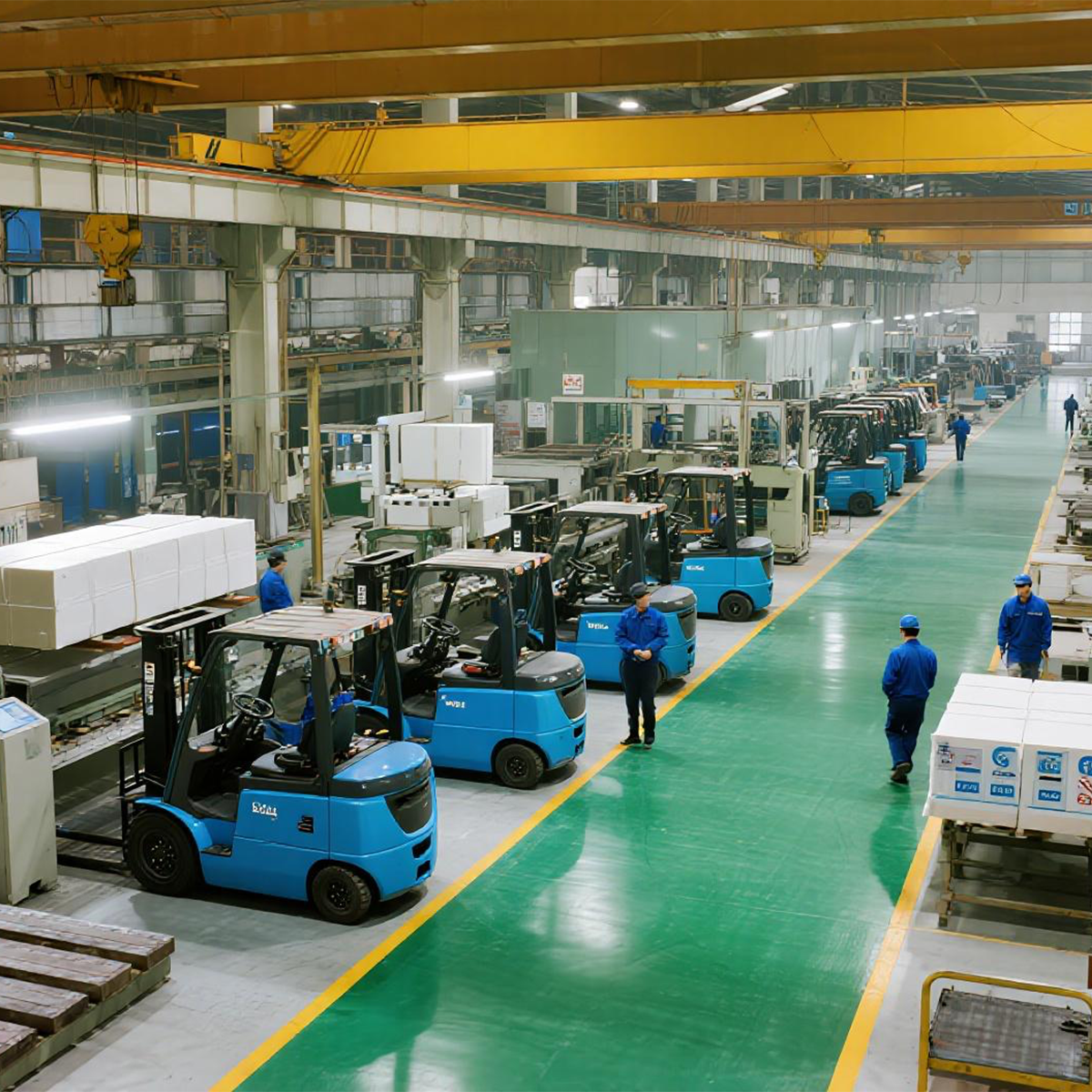


Why Tier-1 Global Drone Brands Partner with Our Shenzhen Manufacturing Base
Operating since 2013 from Shenzhen—the epicentre of global consumer and industrial electronics innovation—our company brings deep industrial fabrication capabilities to the UAV industry. We control the complete lifecycle of FPV component design, rapid tooling, and volume export.
With over 2,000 square meters of specialized production and R&D space, an in-house engineering squad of 21–30 specialists, and 11–20 dedicated quality assurance inspectors, our facilities eliminate middleman markups while enforcing rigorous aerospace standards on every production run.
Direct Export Advantage: Shipped directly from Shenzhen’s deep-water Yantian Port. We provide seamless DDP, DAP, and FOB logistics arrangements to over 50 countries across North America, Europe, Oceania, and the Middle East, with standard order execution within 20 days.
End-to-End Turnkey OEM & ODM Customization Workflow
From custom carbon fiber arm geometries and custom motor windings to branded retail packaging and custom firmware initialization.
CAD / CAE Analysis
Submission of industrial 3D STEP files or 2D technical specifications for FEA stress testing and harmonic simulation.
Rapid Tooling
CNC carbon milling of prototypes, SLA/SLS resin proofs, and tooling design for injection molded canopies.
Pilot Evaluation
Dynamic motor thrust stand analysis, ESC thermal imaging under full load, and physical drop impact testing.
SMT Assembly
Automated paste printing, high-speed chip shooting, reflow soldering, and AOI inspection of electronic boards.
Batch QA Testing
Microscopic solder inspection, dimensional coordinate measuring (CMM), and dynamic rotor balancing validation.
Export Logistics
Custom foam cut retail packaging, barcoding, palletized container consolidation, and rapid customs clearance.
Documented International Quality Assurance & Regulatory Verification
Every shipment is supported by rigorous batch inspection records, environmental compliance dossiers, and international flight electronics certifications.
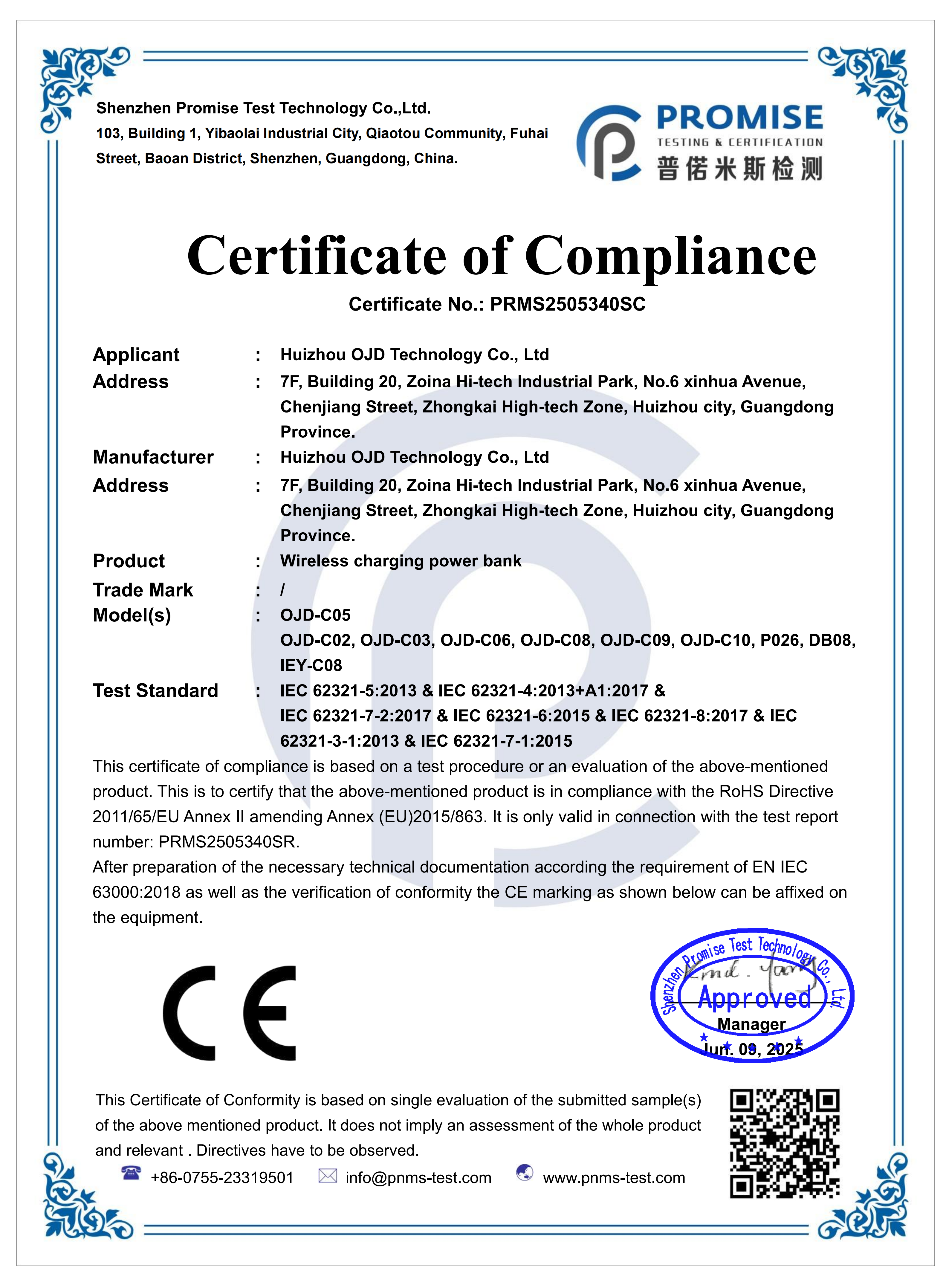
International Safety & Regulatory Compliance
Certified electromagnetic compatibility (EMC), CE RED test conformity, and FCC Title 47 Part 15 subpart B certification for RF flight telemetry and power distribution components. Facilitates frictionless customs entry across the EU and North American ports.
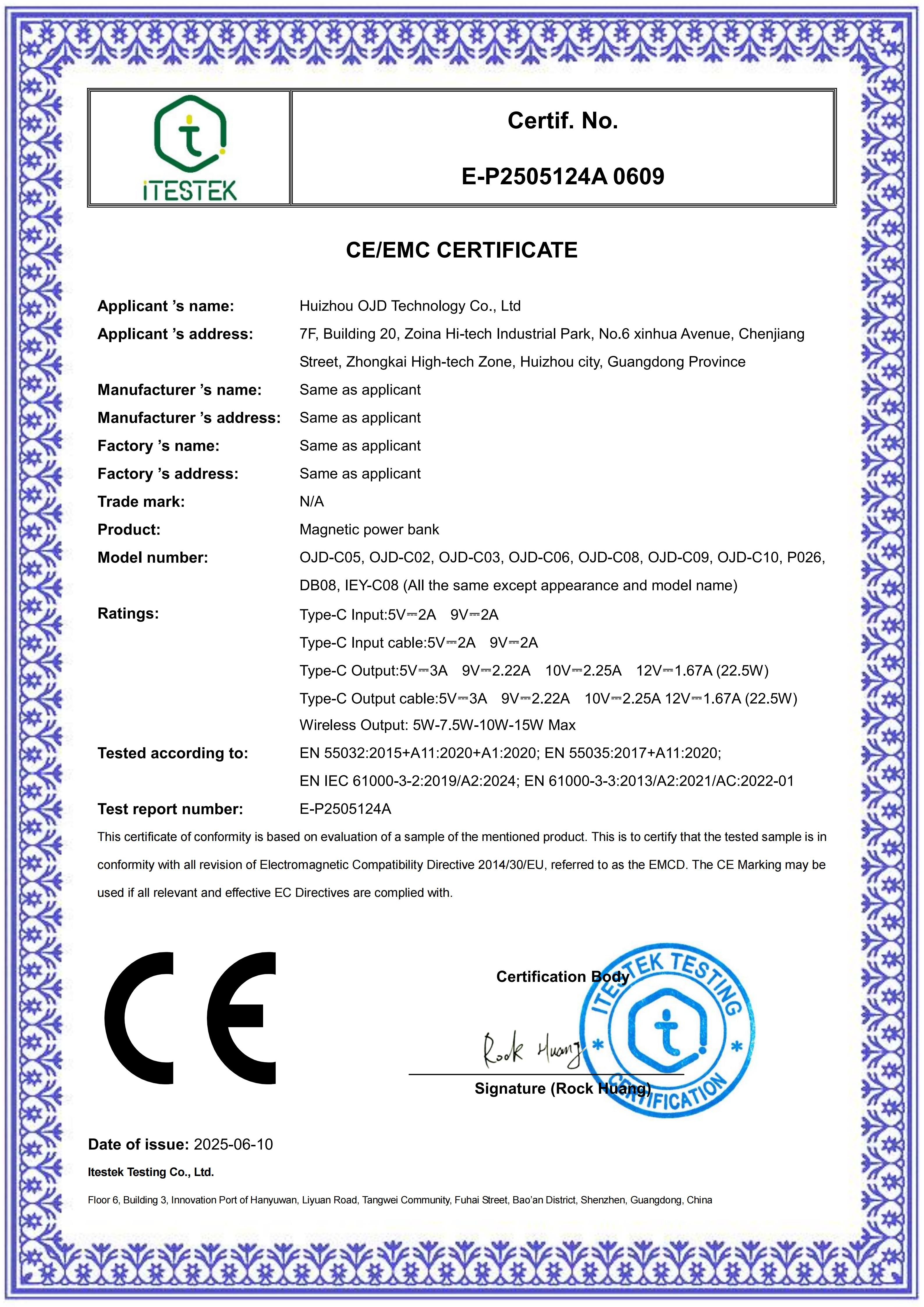
Factory Quality Management Certification
Documented adherence to rigorous production methodologies, RoHS 2.0 hazardous substance limitations, REACH compliance for polymer formulations, and multi-stage incoming raw material inspection (IQC/IPQC/FQC).
Frequently Asked Questions for B2B Drone Parts Buyers
Everything you need to know about lead times, custom carbon milling tolerances, SMT electronics testing, and sample evaluations.
Accelerate Your Drone Brand’s Supply Chain Today
Connect directly with our Shenzhen senior engineering and export sales specialists. We review 2D/3D CAD technical drawings, provide comprehensive DFM (Design for Manufacturability) assessments, and furnish transparent wholesale factory quotes within 24 business hours.