1. The Evolution from Solid Compression Molding to High-Precision Liquid Silicone Rubber (LSR)
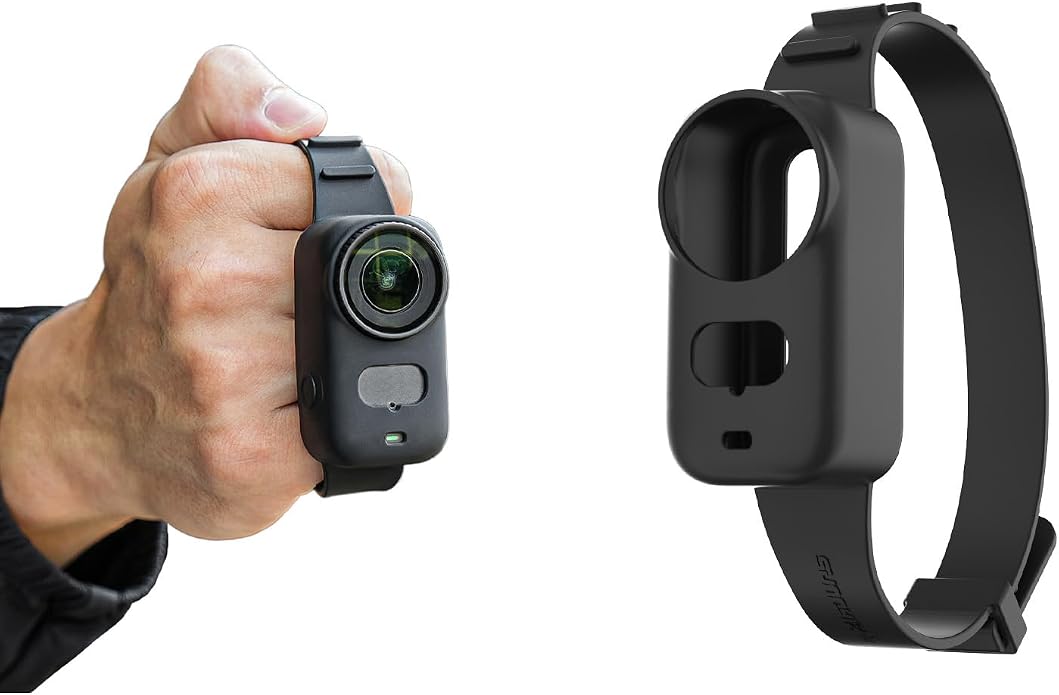
In the contemporary landscape of action cameras—dominated by ultra-compact footprints, dual-touchscreen interfaces, sensitive stereo microphone arrays, and intense heat dissipation requirements—the traditional solid compression silicone molding method has encountered fundamental limitations. As China's leading silicone protective case manufacturer, our facility has spearheaded the migration toward two-component Liquid Silicone Rubber (LSR) injection molding.
LSR utilizes platinum-catalyzed cross-linking polymers with exceptionally low viscosity under shear stress. This enables the polymer to flow flawlessly into micro-thin wall geometries (down to 0.45mm) without flow lines, gas trapping, or flash defects. For sports camera housings that must tightly hug chassis contours without blocking USB-C quick-access doors, quick-release baseplates, or magnetic alignment pins, LSR injection molding achieves dimensional tolerances of ±0.02mm. Furthermore, LSR provides superior tensile strength (>9.5 N/mm) and tear endurance (>35 N/mm), ensuring the protective case can be repeatedly peeled and stretched over mounting hinges without undergoing plastic deformation or mechanical fatigue.
Optimal Durometer (Shore 35A - 55A)
Carefully balanced hardness curves ensure tactile button feedback without stiff resistance, while maintaining structural rigidity at the camera lens bezel to prevent dislodging during wipeouts.
Thermal Conduit Architecture
Integrated micro-channel thermal ducting disperses internal heat generation away from 4K/8K CMOS sensors and battery bays, extending uninterrupted video capture runtimes in tropical settings.
Acoustic Mic Port Attenuation
Precision-milled acoustic channel apertures minimize wind shear noise while maintaining IPX-level splash resistance without degrading directional audio pick-up patterns.
2. Advanced Surface Modification: Oleophobic Plasma Baking and Soft-Touch Silky Coatings
A historical complaint from action camera enthusiasts regarding silicone cases is their propensity to attract lint, sand, and pocket dust due to static friction and surface tackiness. Our Shenzhen engineering division resolves this pain point through automated electrostatic de-dusting followed by atmospheric plasma surface treatment.
By treating the cured LSR sleeve with an ultra-thin (1.5-2.0 μm) cured silicone fluoropolymer topcoat, we reduce the surface surface energy dramatically. This achieves a water contact angle exceeding 105° and an oil contact angle over 75°. The tactile consequence is a velvety, silk-like hand feel that allows the camera to slide effortlessly into tight neoprene packs while refusing to trap desert sand, mud, or saltwater residues during backcountry skiing, downhill mountain biking, or ocean surfing sessions.