Featured FPV Drone Frames & Components Showcase
Explore our premium OEM/ODM product portfolio engineered for competitive racing, professional filming, and educational applications.
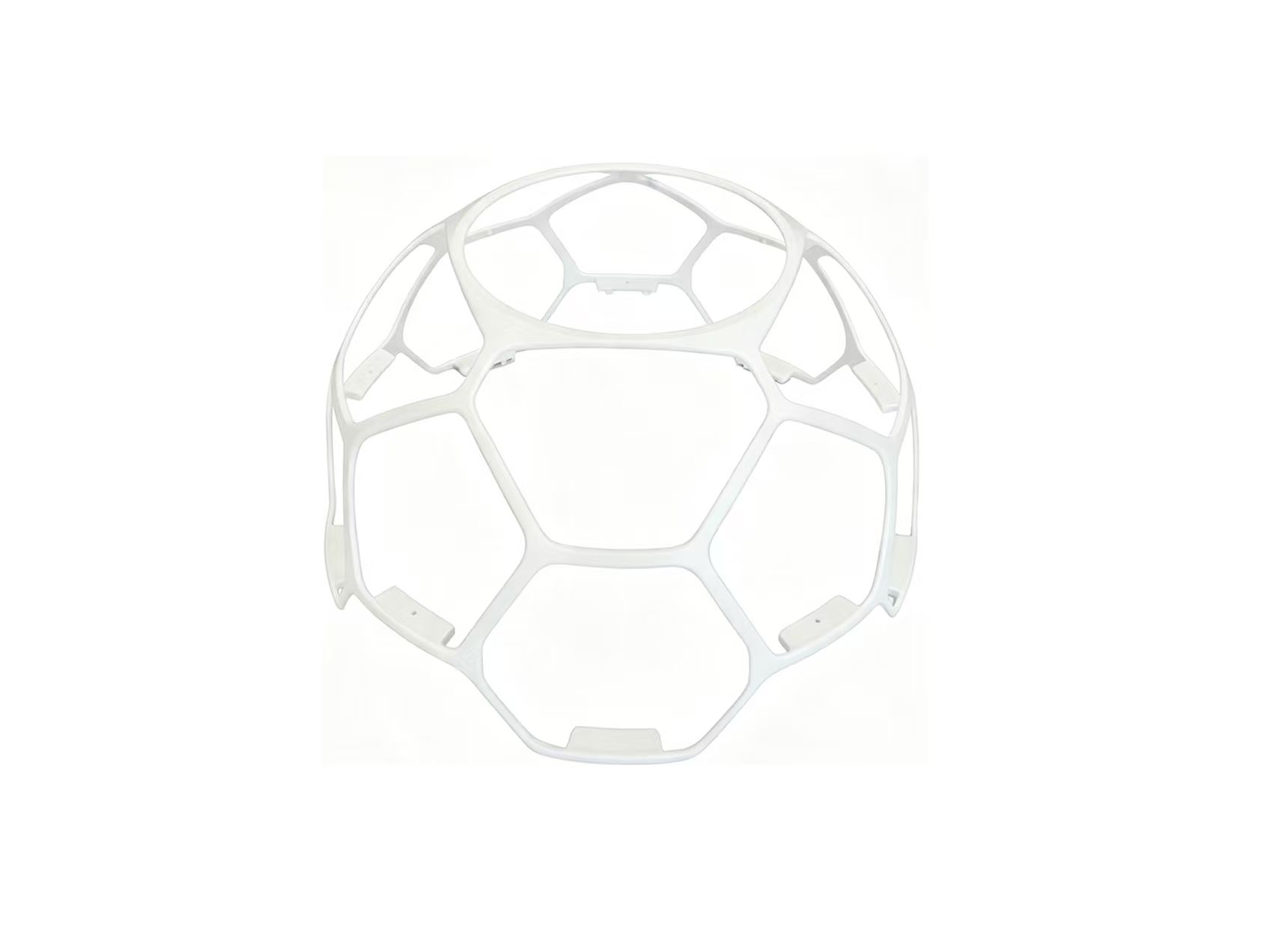

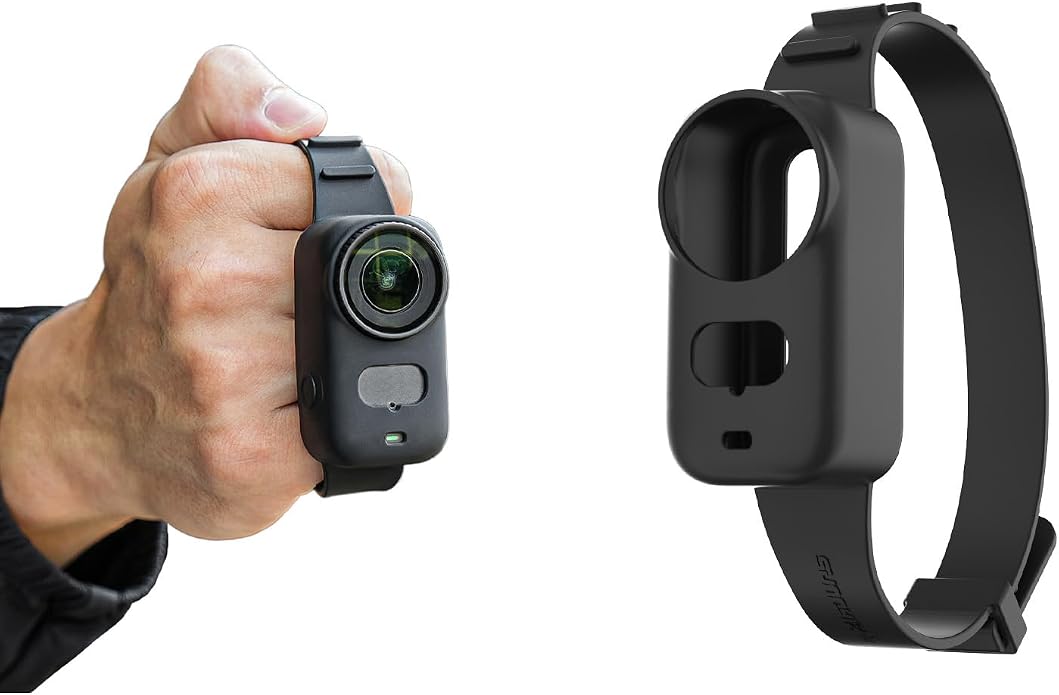
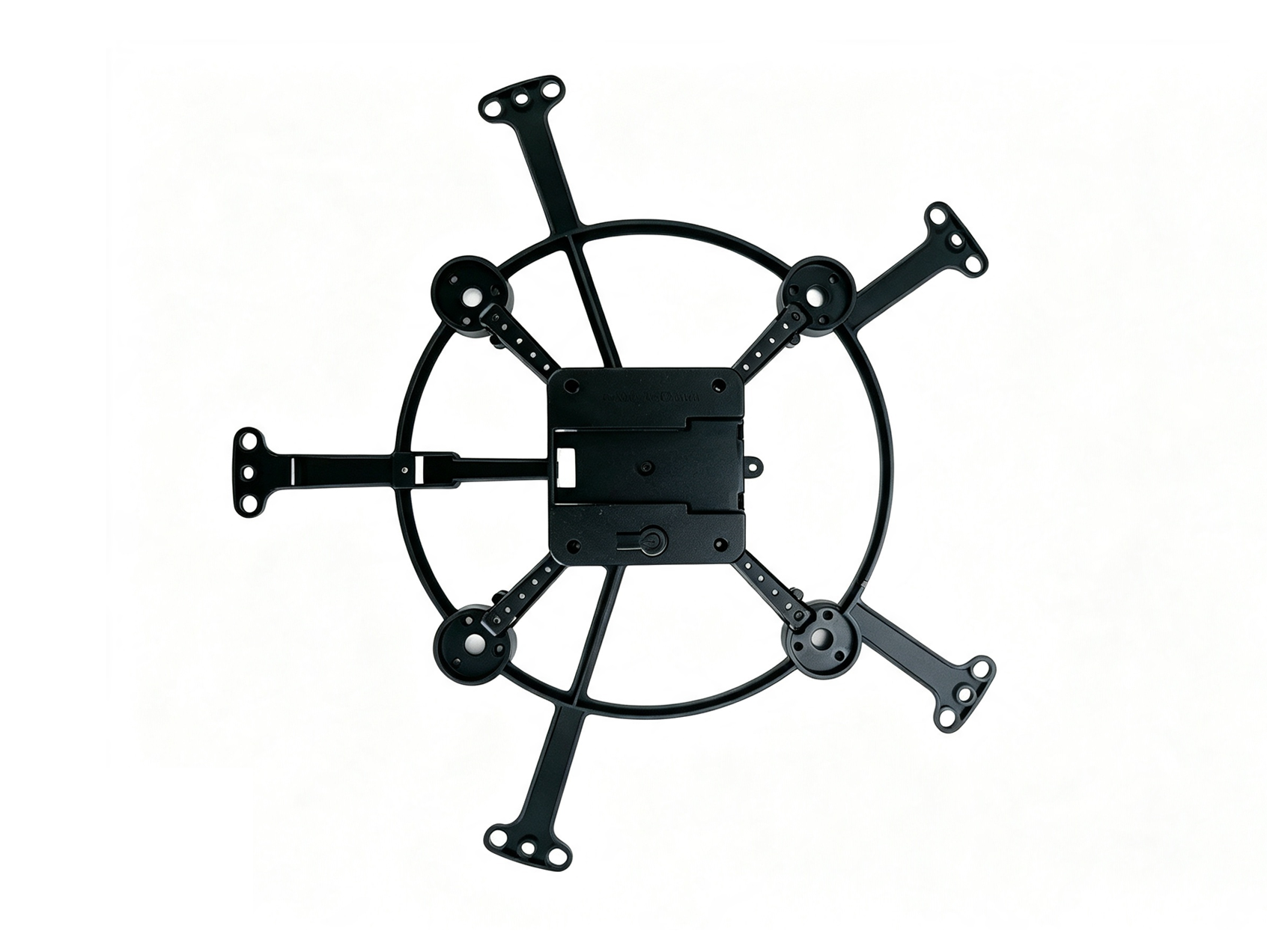
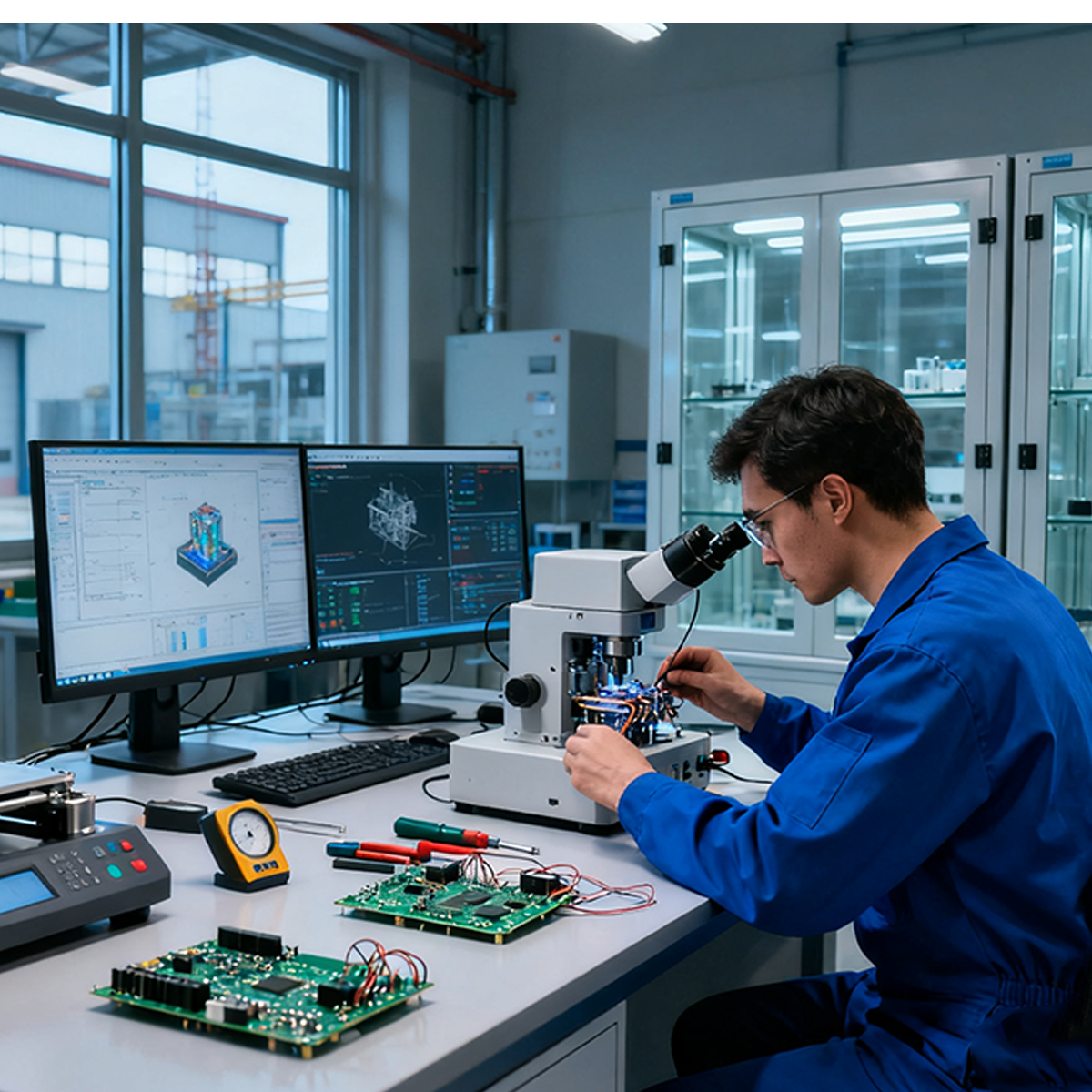
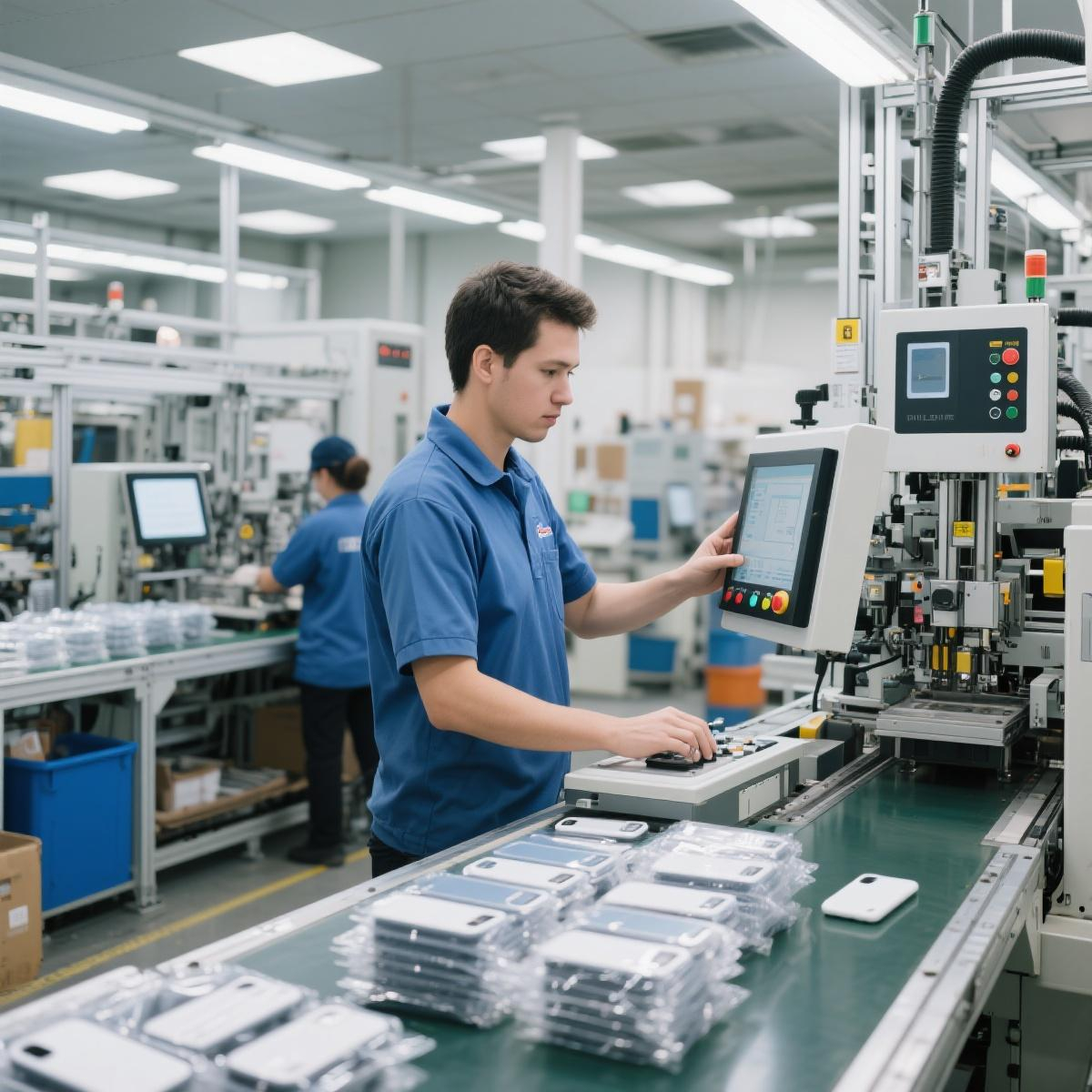
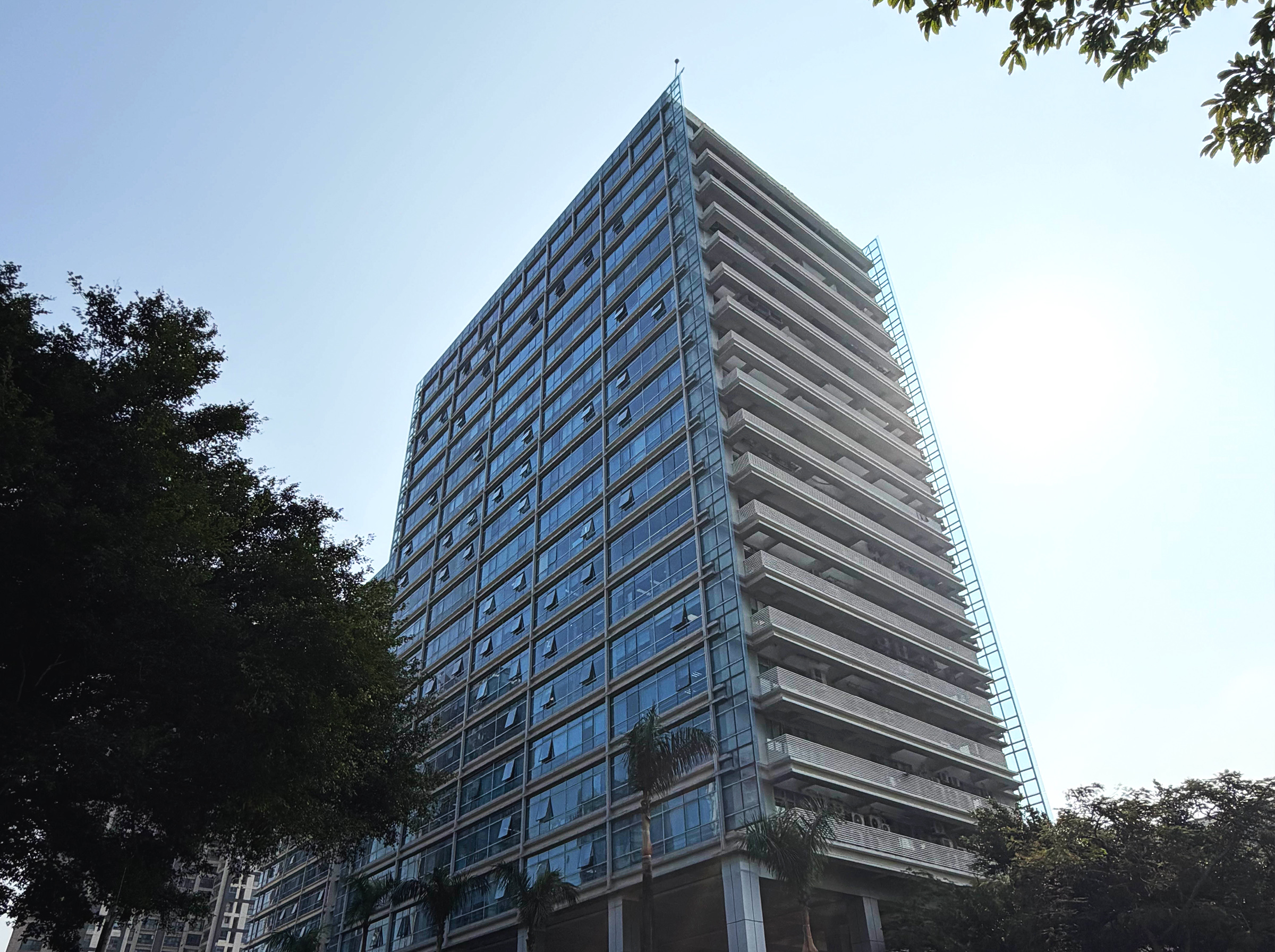
B2B Procurement Insight: Sourcing high-performance First-Person View (FPV) drone frames directly from China OEM/ODM factories provides significant cost-efficiencies, rapid prototyping cycles, and access to advanced composite materials such as Japanese Toray T700/T800 carbon fiber with custom chamfering and matte finishing.
Comprehensive B2B White Paper: Selecting China’s Premier FPV Frame Kit Manufacturers
The global First-Person View (FPV) drone sector has evolved from a niche hobbyist domain into a multi-million-dollar industry encompassing high-speed racing leagues, cinematic aerial filmmaking, industrial inspection, military-grade tactical reconnaissance, and competitive STEM sports like Drone Soccer. At the heart of every high-end quadcopter system lies its structural foundation: the carbon fiber frame kit. For international distributors, brand owners, and industrial UAV integrators, securing a reliable manufacturing partner in China—the world’s epicenter of unmanned aerial vehicle supply chains—is paramount to achieving market leadership and maintaining target profit margins.
This technical sourcing guide evaluates the mechanical specifications, material science innovations, manufacturing tolerances, and strategic procurement frameworks necessary when vetting Chinese FPV drone frame kit manufacturers and factories. By understanding the underlying physics of composite laminates, state-of-the-art CNC machining standards, and global compliance regulations, B2B procurement managers can effectively minimize risk, reduce product development timelines, and ensure maximum field durability for their end-user offerings.
Material Engineering & Structural Integrity Standards
Not all carbon fiber frames are created equal. The mechanical strength, flexural modulus, and vibration absorption characteristics of an FPV frame kit depend heavily on raw fiber grade, resin matrix formulation, and ply layup orientation. Top-tier Chinese manufacturers utilize aerospace-grade Japanese Toray T700 or T800 carbon fiber sheets, combined with high-temperature epoxy resins, rather than lower-grade commercial T300 or recycled carbon composites.
Key Material & Processing Metrics for Industrial Evaluation
When issuing RFQs (Request for Quotes) to OEM factories, procurement teams must demand clear technical data sheets (TDS) verifying laminate properties. Below is a comparative breakdown of carbon fiber grades utilized in modern FPV frame production:
| Material Grade | Tensile Strength (MPa) | Tensile Modulus (GPa) | Delamination Resistance | Primary Application Use-Case |
|---|---|---|---|---|
| Toray T300 Equivalent | 3,530 | 230 | Moderate | Budget RTF Kits, Entry-Level Trainers |
| Toray T700 Premium | 4,900 | 230 | High (Ideal impact absorption) | Pro Freestyle, Racing, Cinewhoop Chassis |
| Toray T800 Ultra-Rigid | 5,490 | 294 | Very High (Max stiffness) | Speed Racing, Heavy-Payload Long Range |
| 3K Full Weave Matte/Gloss | Standard ISO 527 | Standard ISO 527 | High Surface Wear Resistance | Outer Top & Base Plates, Structural Covers |
In addition to tensile properties, directional ply orientation plays a vital role. High-end factories employ 0°/90°/45° quasi-isotropic fiber layups. This multi-axis arrangement ensures that arms and stress-bearing plates resist torsional twisting under extreme high-RPM motor acceleration while resisting fracture during violent high-velocity impacts.
3D CNC Edge Chamfering
Eliminates sharp structural edges, reducing battery strap fraying and wire abrasion while distributing impact stresses evenly across plate margins.
Countersunk Screw Recesses
Flush-fit hardware mounting prevents snagging during slides and ensures uniform torque loading on motor mounts and stack standoffs.
Resonance Damping Design
Custom arm geometries and press-nut isolation slots absorb high-frequency motor vibrations, cleaner gyro readings for flight controllers.
Enterprise Manufacturing Capabilities & Factory Infrastructure
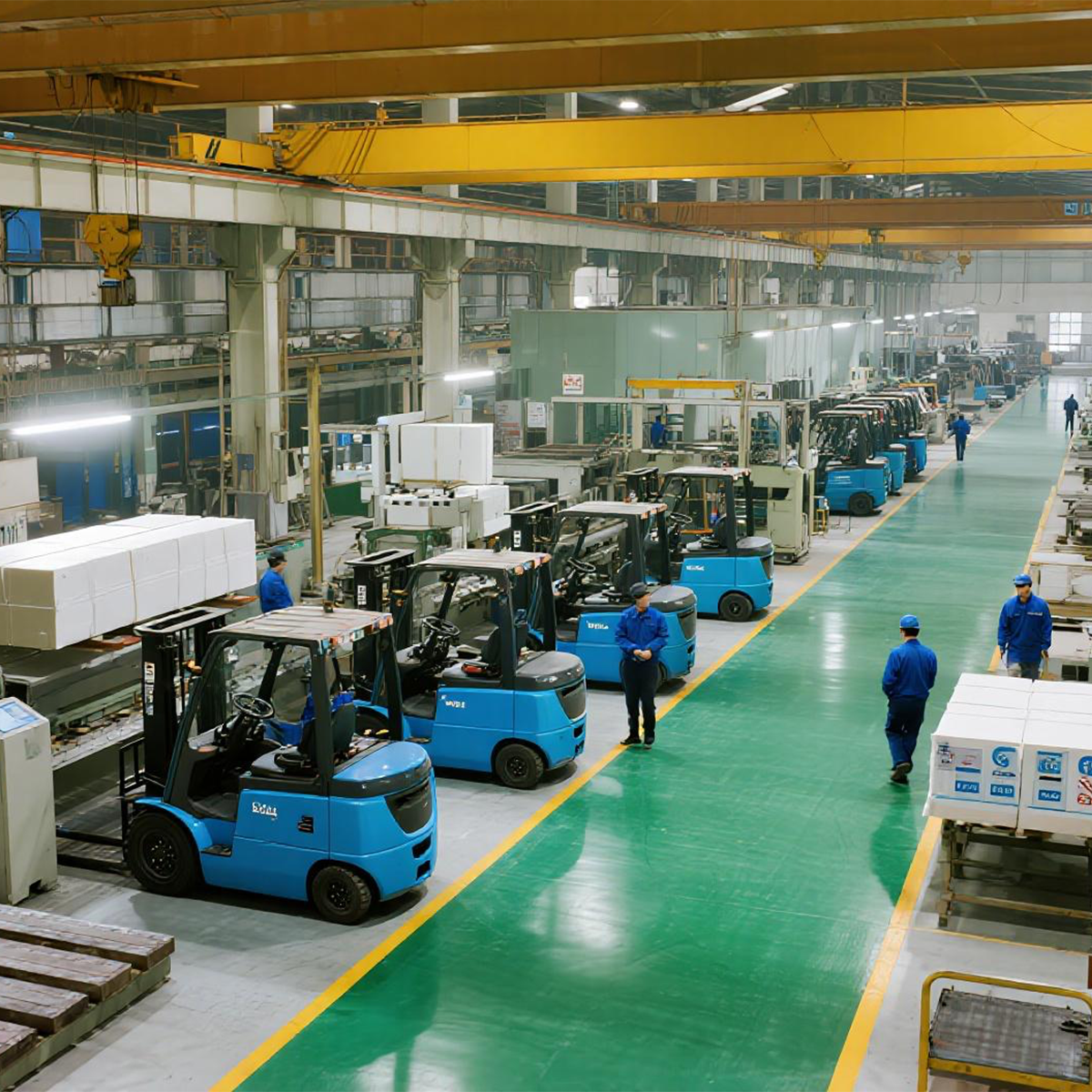
Evaluating a supplier’s physical facility and operational ecosystem in China is essential to avoiding shipment delays, inconsistent material batches, and high field-failure rates. Based in Shenzhen’s high-tech manufacturing corridor, our production facilities combine state-of-the-art automated CNC routing with rigorous quality management protocols.
1. Advanced CNC Machining Precision
Our 2,000m² production complex is outfitted with multi-axis automated CNC carbon fiber cutting machines operating at spindle speeds exceeding 30,000 RPM. We maintain tight manufacturing tolerances within ±0.02mm. This precision guarantees that press-fit PEM nuts, arm locking mechanisms, camera mounting cages, and stack isolation grommets align perfectly during client assembly lines.
2. In-House Quality Assurance & Inspection Protocols
Quality control is integrated into every phase of production rather than treated as a final spot-check. With 11 to 20 dedicated QC personnel on site, every batch of carbon fiber undergoes strict testing before leaving Shenzhen:
- Delamination Stress Testing: Ultrasonic non-destructive testing (NDT) to identify internal air voids or resin dry spots inside multi-layer arm structures.
- Dimensional Accuracy Checks: Coordinate Measuring Machine (CMM) verification of motor mounting pitch (12x12mm, 16x16mm, 19x19mm) and flight controller stack spacing (20x20mm, 30.5x30.5mm).
- Surface Finish & Dust Decontamination: Multi-stage chemical cleaning and sealed dust-free drying to remove abrasive carbon dust particles prior to final hardware packaging.
3. OEM/ODM Private Label Customization Services
We provide full white-label and ODM development solutions for international drone brands, hobby stores, educational institutions, and defense contractors. Customization capabilities include:
- Laser engraving of corporate logos, arm thickness indicators, and motor wire guides.
- Colored anodized 7075-T6 aluminum standoffs, titanium hardware upgrades, and custom TPU 3D-printed accessory mounting sets (Gopro mounts, SMA antenna holders).
- Custom retail box design, foam insert contouring, user instruction manuals, and barcoded SKU labeling for direct Amazon FBA or global warehouse fulfillment.
Industry & Product Development Trends in FPV Drone Frames
The FPV drone hardware market is undergoing rapid technological transformation driven by advancements in high-definition digital video transmission (such as DJI O3 Air Unit, Walksnail Avatar, and HDZero), increased battery power densities, and expanded commercial applications. Manufacturers in China are leading this transition through several structural and material innovations:
1. Digital HD VTX Optimized Architecture
Traditional frame designs optimized for analog video transmitters lacked sufficient heat dissipation space and RF isolation for high-power digital video transmitters. Modern frames feature extended rear deck space, integrated heatsink aluminum mounts, and dual-purpose antenna mounts to prevent RF interference with carbon fiber plates, which act as electrical conductors.
2. Quick-Release "Single Bolt" Arm Replacement Systems
In competitive racing and commercial filming, downtime equates to lost revenue or lost points. Next-generation frame kits feature interlocking arm joints held in place by a single central locking bolt or press-fit keyway. This allows pilots to swap damaged arms in under 60 seconds without dismantling the flight controller or ESC electronics stack.
3. Specialized STEM Sports & Drone Soccer Enclosures
Educational drone sports, particularly FAI-sanctioned Drone Soccer (F1A and F1B classes), require ultra-durable, lightweight 360-degree protective cages around quadcopter frames. Manufacturers are combining high-impact polycarbonates, flexible TPU meshes, and high-tensile carbon fiber base plates to produce collision-resistant flying balls capable of withstanding repetitive high-speed mid-air crashes.
Future Procurement & Supply Chain Trends (2025–2030)
For international buyers establishing long-term procurement strategies, aligning with forward-thinking Chinese factories requires monitoring broad macro and technology trends:
1. Hybrid Composite Materials & Thermoplastic Resins
While traditional thermoset epoxy carbon fiber remains dominant, research into recyclable thermoplastic composites (such as CFRTP) is gaining momentum. Thermoplastic carbon fiber frames offer superior impact toughness, faster thermoforming production cycles, and full recyclability at the end of product lifecycles, satisfying increasingly strict European environmental mandates (CE, RoHS, REACH).
2. Automated Structural Generative Design
Leading Chinese R&D departments are integrating AI-driven generative design and Finite Element Analysis (FEA) software. By simulating stress distributions during violent deceleration and cornering maneuvers, engineers can remove non-structural carbon fiber mass, yielding hyper-lightweight frames with maximized power-to-weight ratios.
3. Regionalized Supply Chain Resilience & Rapid Freight Solutions
Global logistics demand flexibility. Established factories now offer versatile shipping configurations out of Shenzhen and Hong Kong ports, supporting DDP (Delivered Duty Paid), DAP, and FOB agreements alongside consolidated air and sea freight routes. Typical production lead times have condensed to approximately 20 days for custom production runs.