CE Certified RC Racing FPV Quadcopter Factory & Exporters
Precision-Engineered Competitive Airframes, Digital HD Video Link Integration, and Enterprise-Scale Drone Soccer Solutions for Global OEM/ODM Importers.
Export Catalog
Standard & Customized FPV Aerodynamics Inventory
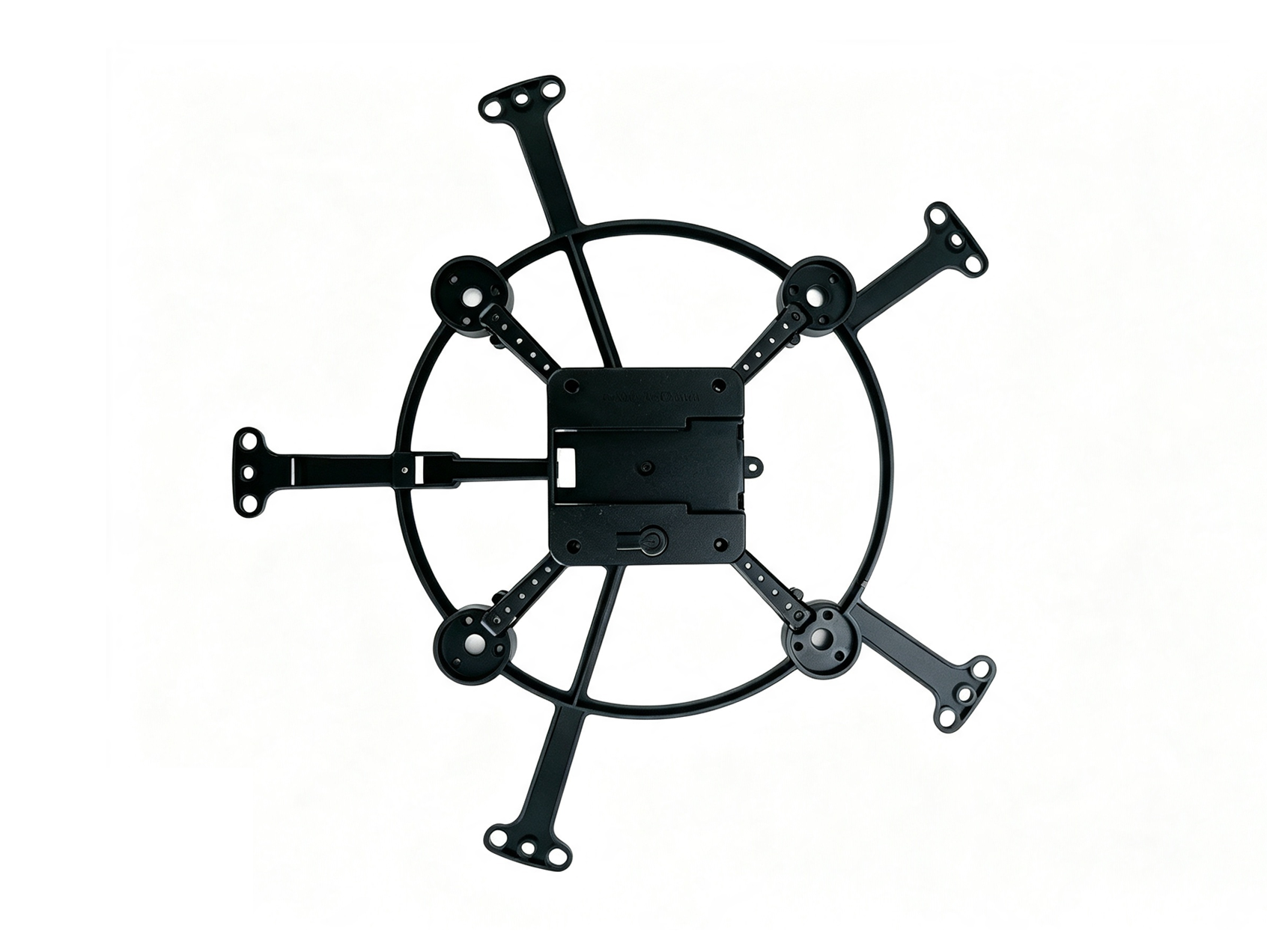
Manufactured using CNC high-modulus 3K twill carbon fiber, impact-resistant injection-molded protective spherical hulls, and multi-tier RF shielding compliant with CE/RED mandates.
F1A Certified
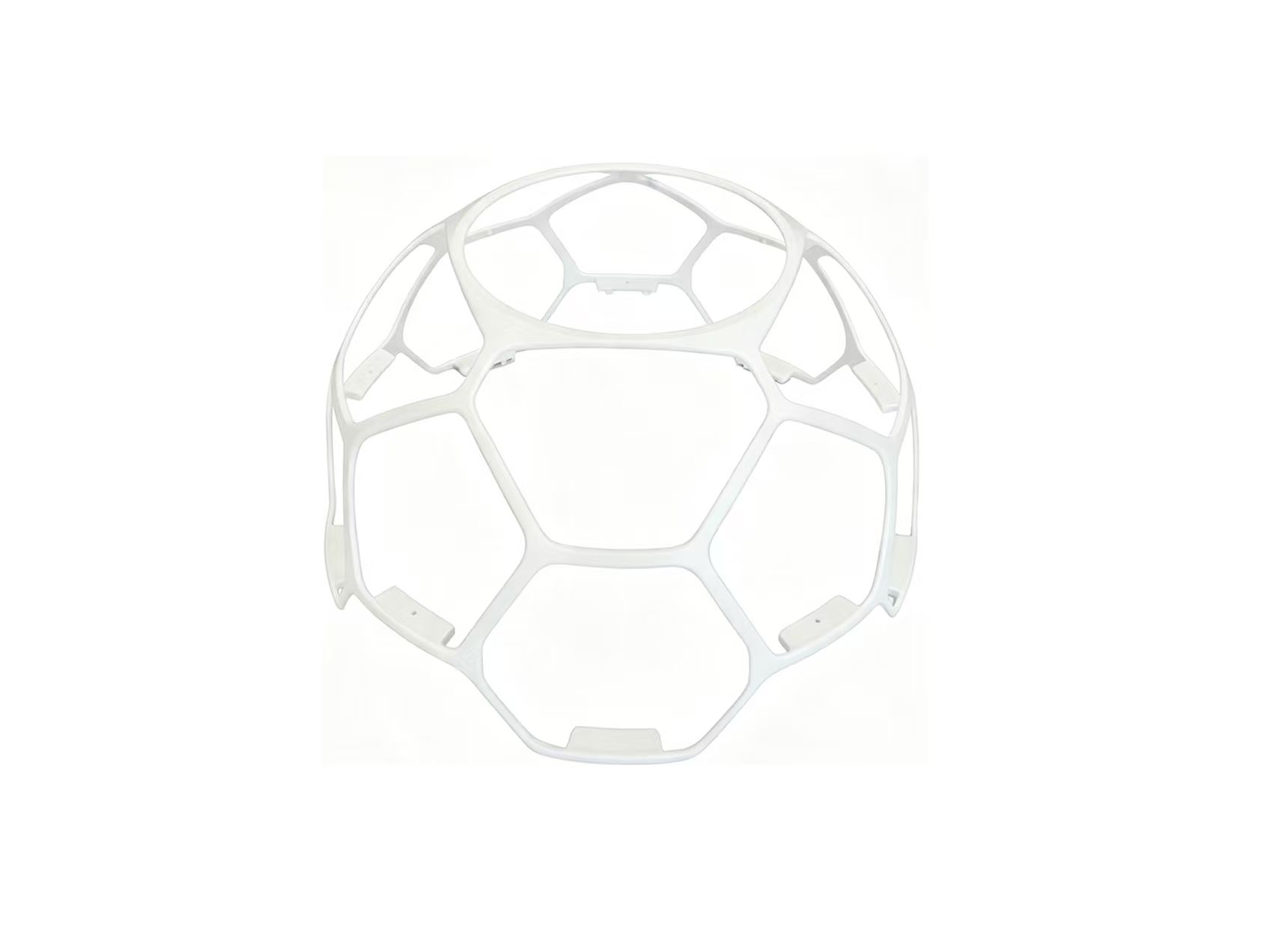
Drone Soccer Frame F1A RC Racing FPV Quadcopter Ball
High-elasticity isotropic polycarbonate spherical frame engineered for FAI F9A-B competitive drone soccer collisions.
Industry Whitepaper: The Strategic Evolution of CE-Certified FPV Racing Aerodynamics
First-Person View (FPV) radio-controlled quadcopters have transitioned from a fragmented hobbyist subculture into a mathematically rigorous sporting and industrial aerial sector. For institutional buyers, procurement directors, and tier-one hobby distributors, importing RC racing platforms requires an exacting balance between dynamic power-to-weight ratios and stringent regulatory compliance within the European Economic Area (EEA) and North American airspace. In accordance with the Radio Equipment Directive (RED) 2014/53/EU, modern high-discharge racing drones must undergo certified verification for electromagnetic compatibility (EN 301 489-1/-17), effective radio spectrum utilization (EN 300 328 for 2.4 GHz systems and EN 304 430 for 5.8 GHz video links), and low-voltage electrical flight hardware safety (EN 62368-1).
Achieving CE compliance without compromising competitive agility involves precision engineering. In competitive disciplines such as F9A drone racing and F9B drone soccer (sanctioned by the Fédération Aéronautique Internationale - FAI), flight platforms experience angular accelerations exceeding 2000 degrees per second and dynamic impacts up to 35G. Manufacturers can no longer rely on uncertified, off-the-shelf open-source assemblies. Sourcing managers must require audited Bill of Materials (BOM) verification, documented SMT surface-mount soldering quality across ESC micro-controllers, precision CNC machining tolerances on 3K carbon composite structural plates, and pre-calibrated radio emissions profiles that eliminate harmonic interference in multi-pilot heats.
RF Harmonization: Strict adherence to CE transmission thresholds (25mW default limit on 5.8GHz VTX with dynamic unlockable frequency bands for sanctioned club racing events).
Material Elasticity: Spherical soccer drone frames manufactured from polycarbonate alloys offering flexural recovery without shattering during high-velocity ring strikes.
Signal Cryptography: Open-source ELRS (ExpressLRS) and proprietary FHSS protocols operating on cryptographic link profiles that suppress broadband telemetry dropouts.
Thermal Dissipation: High-fin-density CNC aluminum heat exchangers integrated into high-power digital transmission transmitters to prevent thermal throttling on the flight pad.
Next-Generation Procurement Trends: High-Frame-Rate HD and Regulatory Shifts
Between 2025 and 2030, the global FPV quadcopter procurement ecosystem will be fundamentally reshaped by three concurrent technological transformations: the complete obsolescence of low-resolution analog video systems, the standardization of integrated Return-to-Home (RTH) failsafe mechanics driven by micro-MEMS GNSS chips, and the implementation of EU C-class classification protocols (C0/C1) for educational and racing platforms.
1. Universal Digital HD Video Transition: Enterprise racing leagues, collegiate STEM competitions, and consumer piloting networks have decisively pivoted toward zero-compromise digital HD feeds. Sourcing departments are abandoning traditional composite 4:3 NTSC/PAL analog pipelines in favor of high-throughput H.265/AV1 transmission links capable of delivering 1080p resolution at 120fps with glass-to-glass latencies falling below 18 milliseconds. This shift demands airframe architectures capable of managing complex electromagnetic interference (EMI), where digital transmitter clock cycles must be isolated from ultra-sensitive gyro and accelerometer sensors on the flight stack.
2. Structural Weight Optimization (<249g Envelopes): Under EASA (European Union Aviation Safety Agency) guidelines, unmanned aircraft systems operating below 250 grams (C0 Category) bypass restrictive pilot certification hurdles and operational flight bans over populated recreational parks. Consequently, contract manufacturing requests for sub-250g "toothpick" and 3-inch ducted CineWhoop architectures have surged. Achieving professional racing performance within this envelope necessitates advanced injection molds utilizing carbon-doped polyamides and integrated AIO (All-in-One) flight boards where ESC, OSD, VTX receiver, and flight controllers reside on a singular 2-ounce copper PCB.
3. Drone Soccer as a Global STEM Phenomenon: The explosive adoption of F1A and F1B drone soccer programs across North America, Europe, and the Middle East has created an unprecedented institutional market. Educational authorities and commercial esports arenas are procuring standardized ball-frame airframes in wholesale allocations. B2B buyers now mandate crash-tested isotropic outer skeletons with toolless modular quick-disconnect snaps, ensuring rapid servicing during live tournaments while certifying zero exposed blade hazards under toy and recreational machine safety standards.
Strategically located in Shenzhen, the epicenter of global consumer electronics and aerial robotics innovation, our manufacturing facility provides international importers with comprehensive supply-chain vertical integration. Spanning 2,000 square meters of specialized precision assembly space, automated SMT cleanrooms, and testing facilities, we convert bespoke conceptual designs into export-ready physical inventory within compressed operational timeframes.
Automated SMT & Soldering
Multi-zone reflow soldering ovens and optical automated inspection (AOI) ensuring zero dry joints across flight stacks enduring high vibrational strain.
Multi-Axis CNC Milling
In-house carbon fiber cutting beds providing ±0.05mm dimensional precision with chamfered arm edges to eliminate battery strap abrasion under competitive load.
RF Anechoic Pre-Scanning
Spectral baseline verification measuring radiated spurious emissions on 2.4G and 5.8G frequencies to guarantee prompt European CE customs processing.
Critical information for procurement teams conducting supplier risk management and regulatory verification.
?
How do you guarantee CE RED compliance for high-powered VTX systems?
Standard production units ship hard-locked via customized firmware to regional European power ceilings (25mW across legal CE channels). For licensed competitive racing associations, an unrestrictive firmware profile is provided with documented hardware verification, ensuring our export partners comply with regulatory requirements while offering flexibility for competitive leagues.
?
What carbon fiber weave grade is utilized in high-stress racing arms?
We strictly deploy high-modulus, vacuum-pressed 3K pure twill carbon fiber. Unlike budget laminates that incorporate central fiberglass filler, our unibody and split-arm plates feature continuous cross-directional carbon weaves bonded with aviation-grade epoxy resins, yielding flexural strengths exceeding 450 MPa.
?
What are the minimum order quantities (MOQ) and production turnaround cycles?
For ready-to-ship catalog frames and pre-tested configurations, our sample MOQ is 1 unit, with standard B2B carton lots starting at 50 units. Turnaround lead time is typically 20 business days from signed engineering drawing sign-offs. Large-scale custom ODM tooling runs are scheduled based on mold complexity.
?
Can you accommodate private labeling, custom bootlogos, and packaging?
Yes. Full OEM private labeling covers custom multi-color pad printing on carbon surfaces, injection mold dye color matching, customized Betaflight/INAV boot screen text, and localized multi-lingual retail packaging engineered to endure intercontinental distribution channels via air or sea freight from Shenzhen Yantian port.
Initiate Your OEM/ODM RC Racing FPV Drone Program
Connect with our Shenzhen engineering headquarters to request factory audit documentation, verified CE RED test dossiers, or sample units for competitive testing and evaluation.