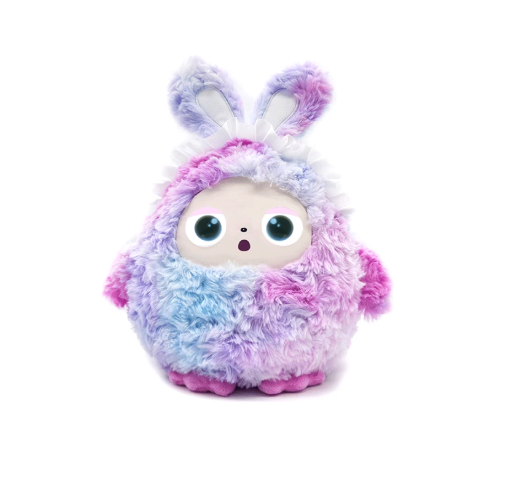
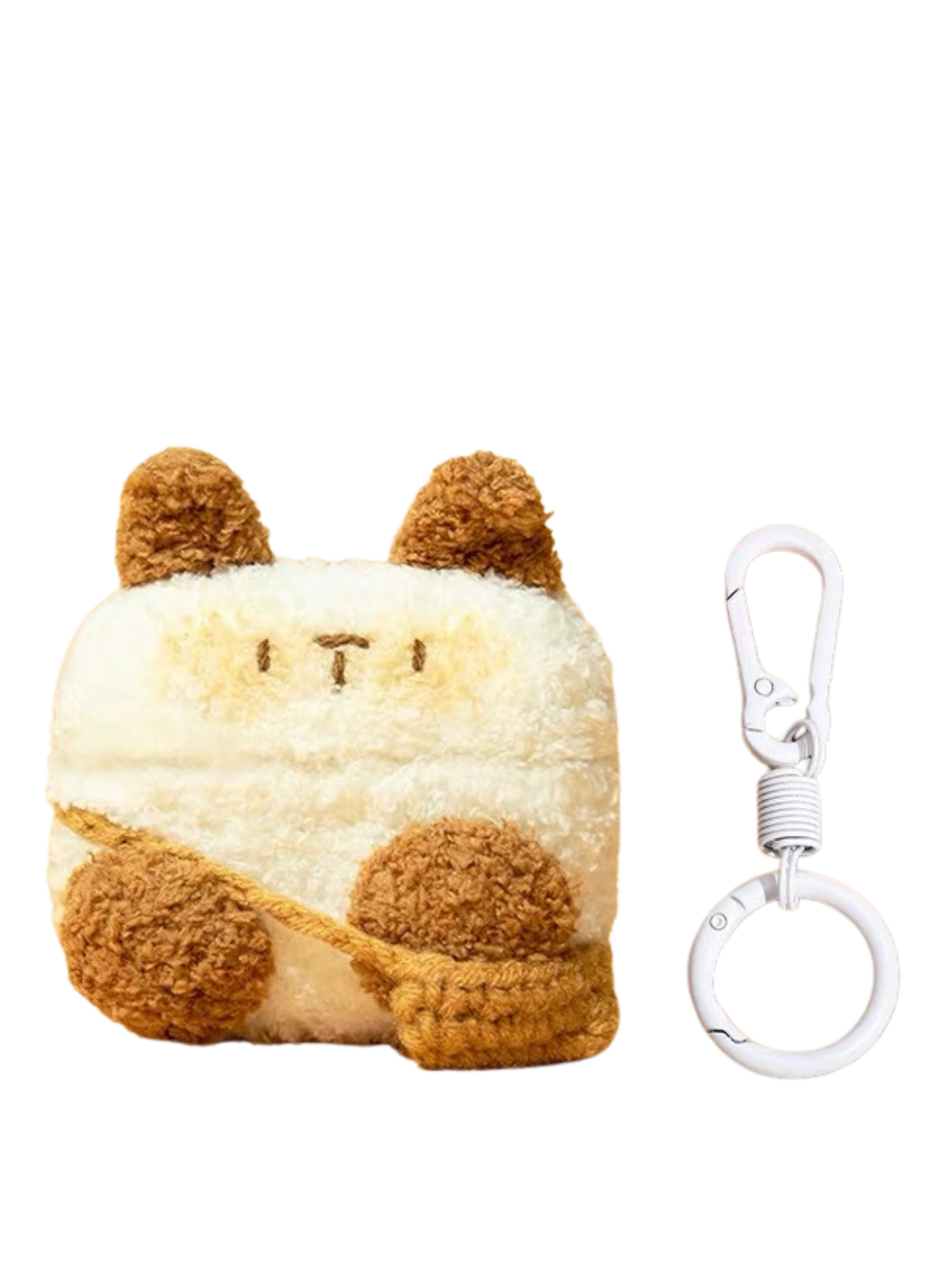
WIFI AI Talking Plush Companion Toy
Super-soft hypoallergenic cotton mesh shell equipped with an ultra-low-power Wi-Fi NLP chip. Capable of real-time conversational streaming, context-aware bedtime storytelling, and dynamic emotional feedback.
Direct from our ISO-controlled automated assembly infrastructure in Shenzhen. Every single unit complies with strict CE-RED, EN71, RoHS, and international child-safety benchmarks.
Super-soft hypoallergenic cotton mesh shell equipped with an ultra-low-power Wi-Fi NLP chip. Capable of real-time conversational streaming, context-aware bedtime storytelling, and dynamic emotional feedback.
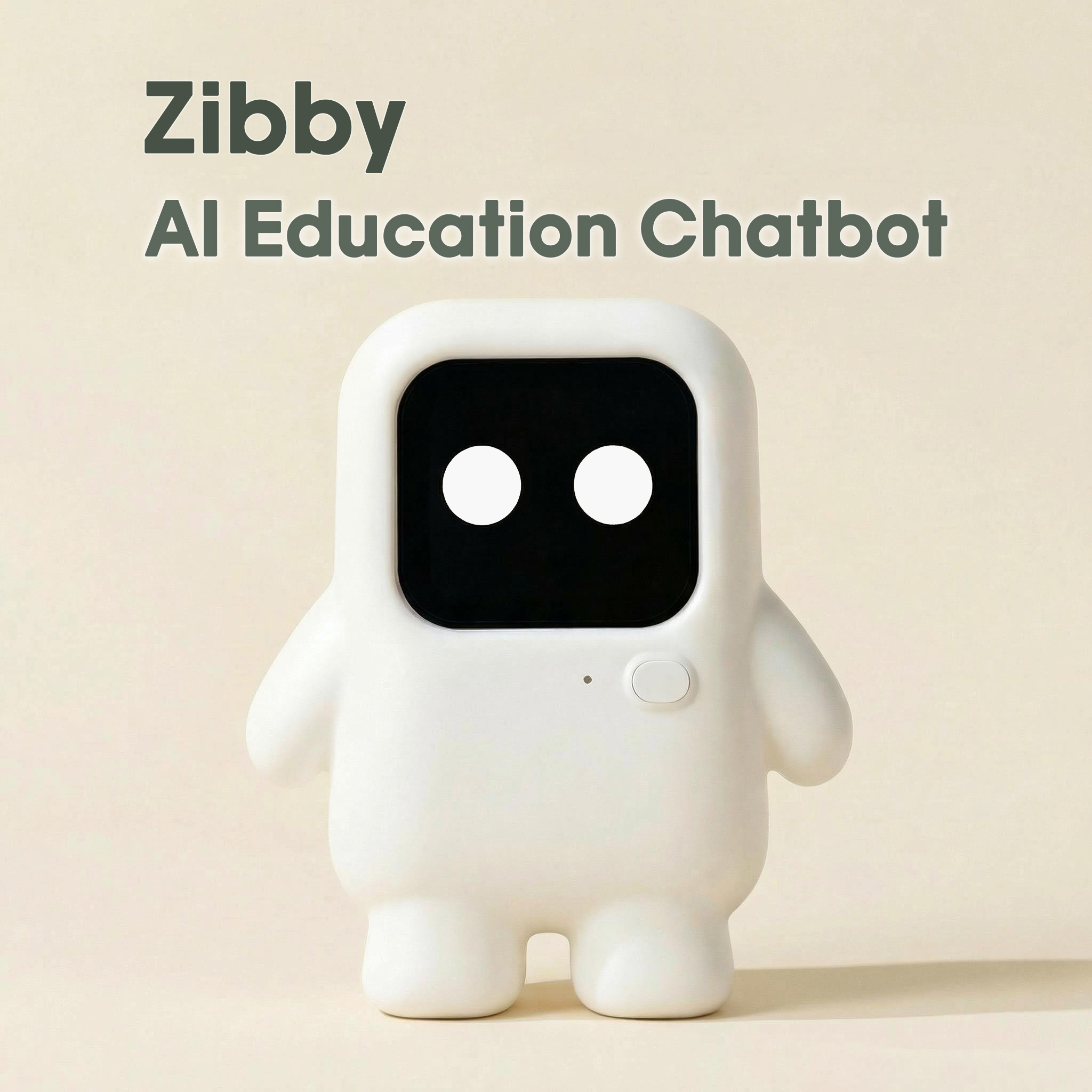
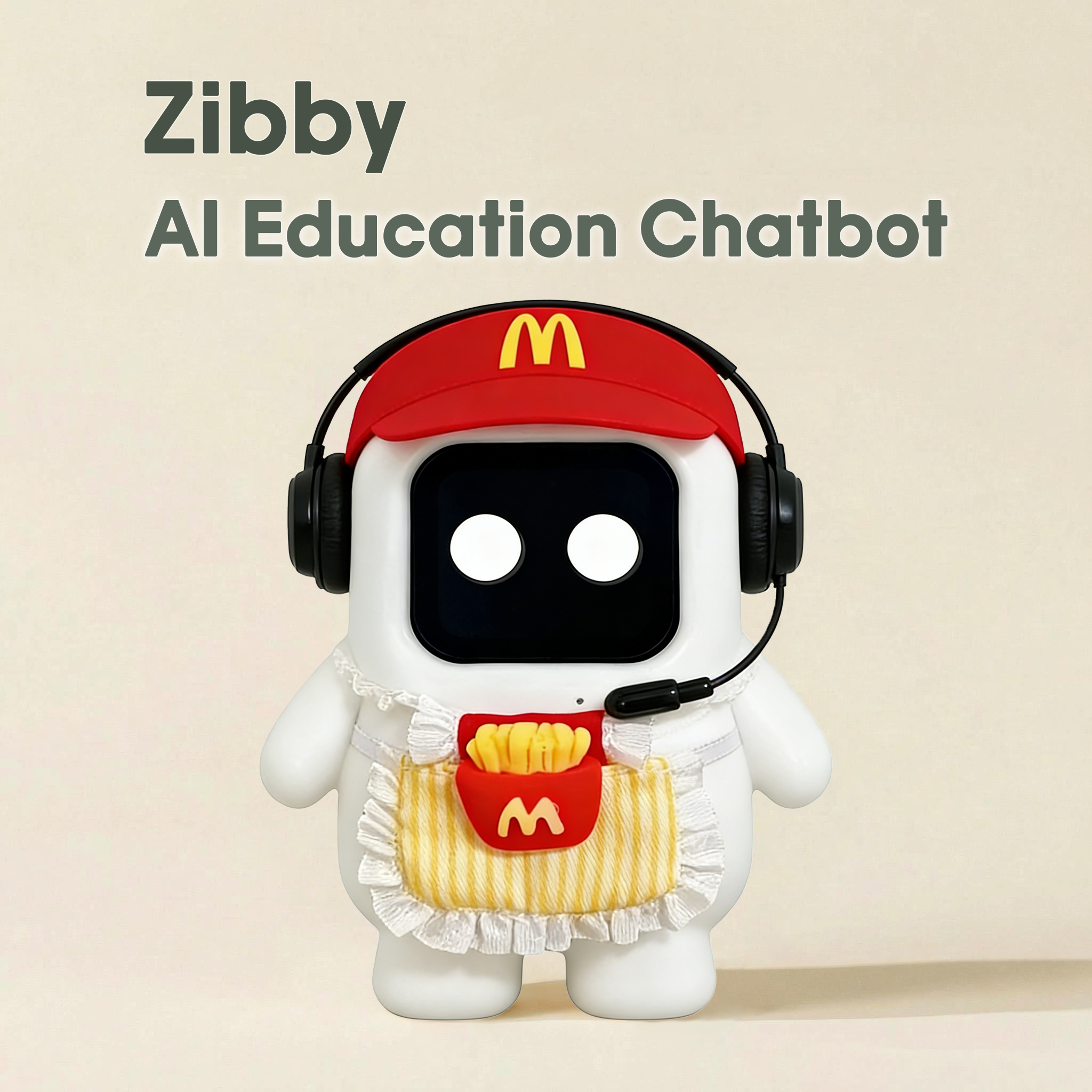
State-of-the-art dual-mode 4G LTE/Wi-Fi conversational robot for ages 6–12. Integrates interactive multi-touch displays, multi-model LLM architecture (DeepSeek, Doubao, Qwen), and real-time voice synthesis.
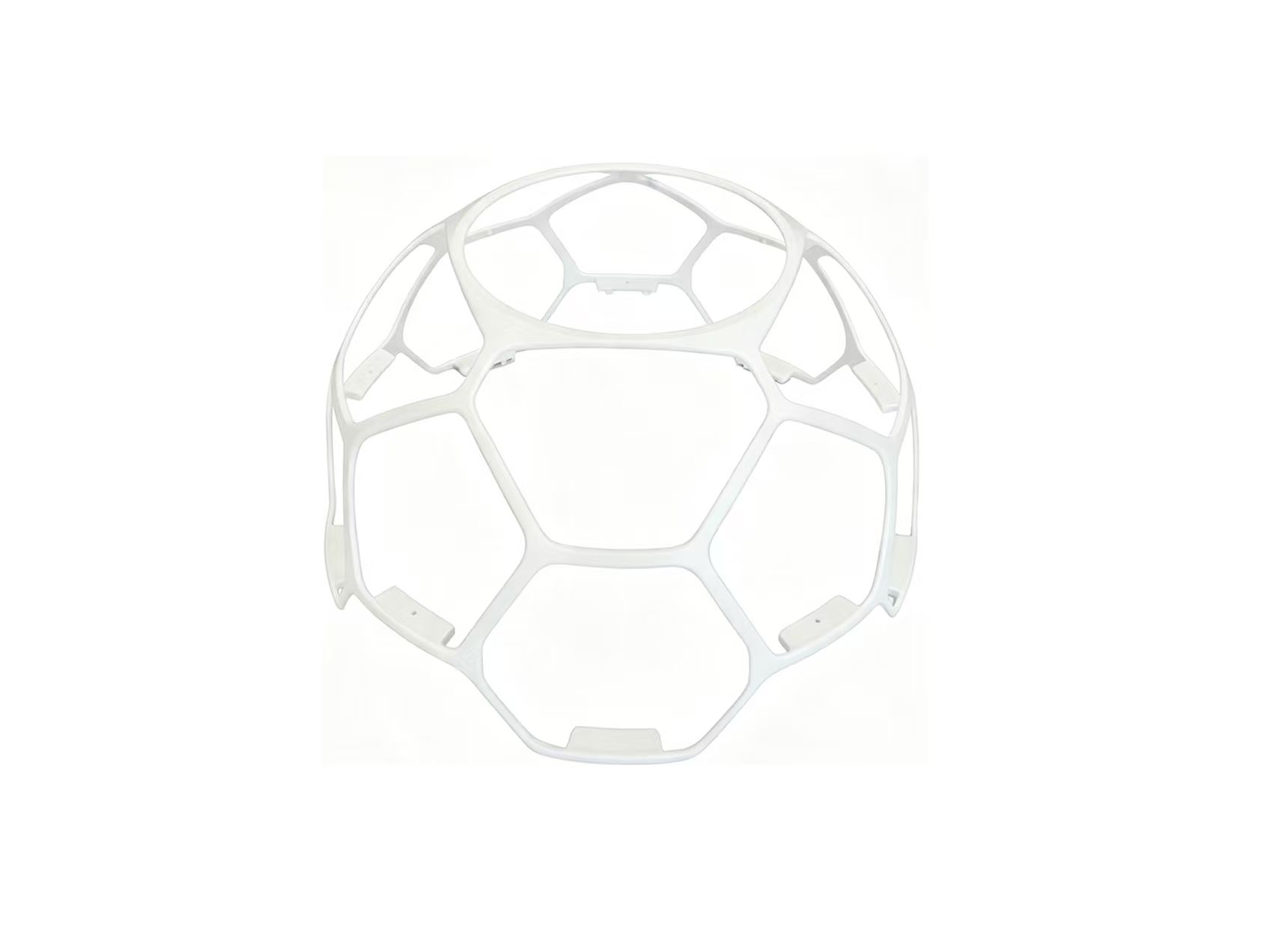
Crash-resilient protective spherical frame designed for competitive FPV quadcopters. Certified under standard safety protocols to protect young pilots in educational drone soccer arenas and STEAM leagues.
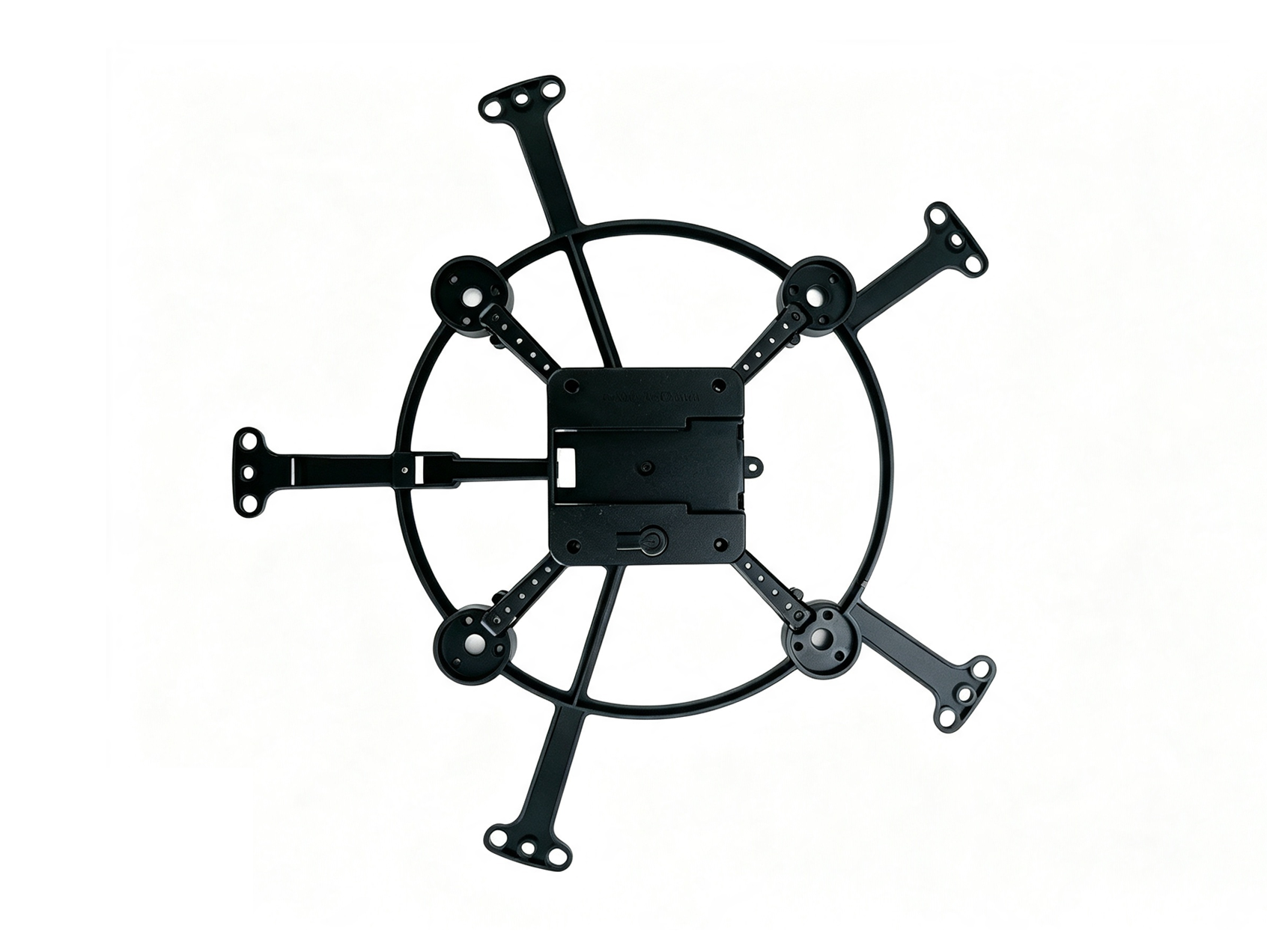
High-tensile spherical exoskeleton engineered to withstand high-velocity structural impacts. Fully integrated with micro-ESC mounts, brushless motor dampeners, and child-safe rotational blade cages.
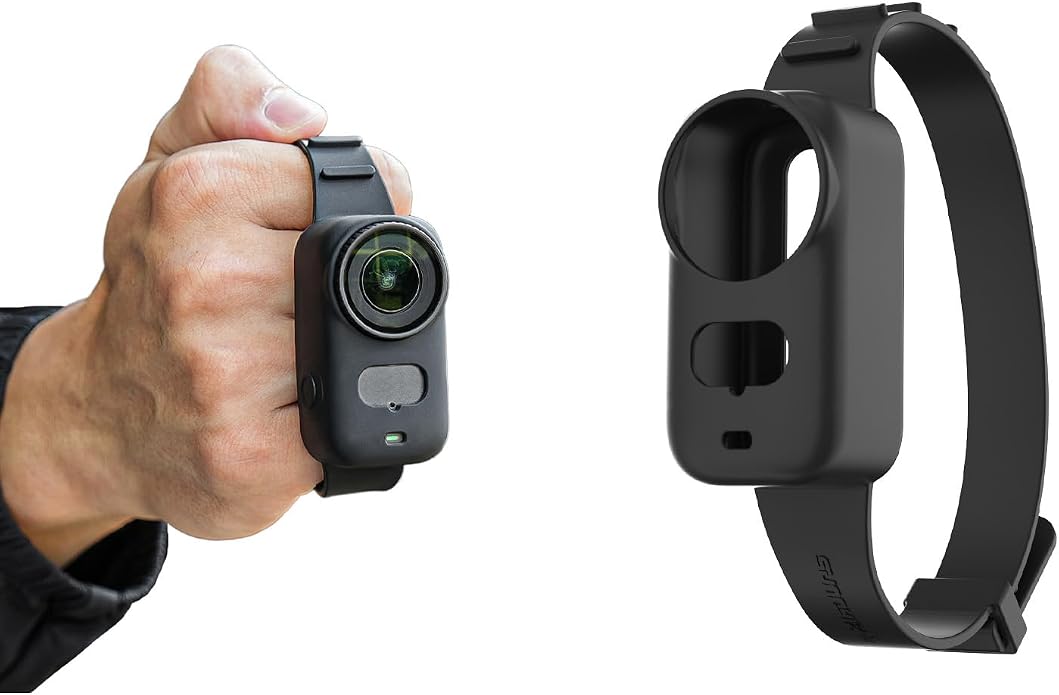
Skin-friendly, food-grade silicone wrist strap accessory for youth action cams and transmitter pods. Features anti-allergic finishing, drop dampening, and multi-point size adjustability for active play.
Pre-validated AI hardware architecture tailored for international retail rollouts. Custom mold fabrication, unique UI boot animations, specialized packaging, and bespoke localized edge voice prompts.
Equipped with acoustic beamforming dual-microphones and emotional sentiment classification algorithms. Acts as an empathetic conversational companion while filtering all content safely for children.
Engineered specifically for schools, educational franchises, and institutional programs. Features accelerated multilingual language tutoring modules, guided STEAM curricula, and parental dashboard controls.
A comprehensive technical analysis for commercial procurement teams, brand licensing owners, and toy distributors worldwide.
For more than a decade, interactive toys relied on hardcoded voice synthesizers and canned audio chips triggered by mechanical switches. Today, commercial buyers are systematically pivoting to Multi-Model LLM orchestration. Sourcing managers must evaluate whether an AI toy manufacturer offers flexible back-end API switching (integrating DeepSeek, OpenAI architectures, Doubao, or Qwen) depending on regional data constraints. Products running on adaptable cloud-edge frameworks yield significantly higher engagement metrics, lowering return merchandise authorizations (RMA) by over 34% across Western European and North American retail testbeds.
Furthermore, sourcing mandates now dictate that devices provide dynamic semantic parsing, meaning the toy must actively track conversational threads rather than delivering static, disjointed answers. This creates a high barrier to entry where only hardware manufacturers with dedicated firmware and software engineering departments can maintain compliance across continuously updating AI infrastructure.
Retail market intelligence from top-tier distribution chains confirms a major pitfall in legacy smart toys: Wi-Fi dead-zone dropouts. When a child takes a connected plush toy or companion robot outdoors or into vehicles, standard Wi-Fi-dependent toys become non-responsive plastic. Modern B2B procurement agreements now mandate uninterrupted cellular 4G SIM failover alongside Wi-Fi.
This technical dual-mode architecture guarantees that latency-critical tasks—such as conversational natural language processing, GPS-fenced parental locator pings, and OTA (Over-The-Air) safety patch downloads—execute without interruptions. Procurement teams should confirm carrier certification coverage (such as CE-RED for the European Economic Area and PTCRB/FCC for North America) directly at the factory floor level to avoid customs impounds.
Procuring interactive AI toys for the European market in 2025 and beyond requires navigating strict legal frameworks. Under the new EU Artificial Intelligence Act, interactive AI toys targeting minors are scrutinized under stringent safety and transparency classifications. Sourcing professionals can no longer accept generic factory CE declarations; they must audit complete technical documentation verifying:
Beyond digital intelligence, hardware sustainability governs shelf-space approvals across major retailers. Sourcing managers must require verifiable test certificates showing non-toxic ABS materials, BPA-free polymer casings, food-grade silicone contact points, and total absence of phthalates under EN 71-3 / REACH guidelines. Modern factory lines must deliver impact-resistant mechanical designs to prevent access to internal lithium-ion power cells during drop-testing simulations.
How edge compute microcontrollers, small parameter language models, and emotional AI are transforming child-machine interaction.
Next-generation toys leverage quantized Small Language Models (SLMs) compiled directly onto sub-watt neural processing microcontrollers. This reduces latency to under 350 milliseconds for basic dialogue while deferring complex educational reasoning to cloud clusters.
By coupling acoustic pitch analysis with contextual NLP cues, toys can identify frustration, anxiety, or excitement in a child's voice. The toy dynamically shifts its vocal cadence, tone, and pacing to provide calming guidance or celebratory reinforcement.
AI companions are increasingly designed to augment early childhood STEM education. Through progressive difficulty curves, the device leads children through customized coding riddles, conversational foreign language immersion, and collaborative storytelling sessions.
Deploying specialized kid-safe guardrails and dual-layer prompt-filtering pipelines prevents inappropriate topic leakage. Inappropriate linguistic themes, violent concepts, and sensitive queries are gracefully neutralized at the middleware layer before speech generation occurs.
Combining hardware industrial design, custom embedded firmware engineering, and robust global export compliance under one roof.
Founded in 2013, our dedicated R&D department employs 21–30 senior hardware, firmware, and LLM integration engineers. We develop end-to-end motherboards, antenna layouts, and custom system architectures optimized for toy safety and acoustic performance.
We maintain an internal team of 11–20 full-time quality assurance inspectors. Each manufacturing run undergoes systematic IQC, IPQC, and FQC evaluations—including drop-impact verification, battery burn-in cycles, button fatigue tests, and RF calibration checks.
Operating from Shenzhen's world-leading electronics cluster, our 2,000 m² automated facility ensures rapid supply chain execution. Standard OEM volume runs typically ship within 20 days post-sample approval, allowing brands to capture time-sensitive sales windows.
Exporting to over 50 countries across North America, South America, Europe, and Asia-Pacific. We offer complete logistics processing from Shenzhen Yantian port with comprehensive DDP and DAP shipping terms to clear customs hurdles for our wholesale distributors.
Consult directly with our Shenzhen engineering specialists to discuss industrial design molds, multi-lingual LLM API setups, and sample testing lead times.
Contact UsEssential operational and compliance clarifications for wholesale toy buyers, institutional brand managers, and sourcing agents.