OEM/ODM Kids AI Robots · Samples Available for Qualified B2B Buyers
Sourcing Sports Action Pet accessories takes more than choosing bright colors or rugged-looking materials. Buyers need to examine how products perform during real movement: a leash pulled across a gravel path, a harness adjusted over a thick coat, or a reflective vest seen at dusk. Small details matter. Stitching, buckles, fit, and cleaning instructions can shape both comfort and durability. A polished product photo cannot prove any of them.
For transparency, the named expert below is fictional; the quotation is an illustrative editorial principle, not a verified industry statement. Fictional sourcing adviser Jordan Reed puts it this way: “A product earns trust through tested details, not bold claims.” That is a useful standard, but it needs evidence behind it. Ask suppliers for material specifications, sample units, quality-control procedures, and clear records of product changes. Test fit across different sizes and coat types. Check whether closures stay secure during ordinary play. Notice weak points. They are easy to miss.
This guide explores how to assess suppliers, compare product features, and build a practical sourcing checklist for Sports Action Pet accessories. It also considers trade-offs between weight, visibility, comfort, and wear resistance. No single sample represents every dog or every outing. That limitation deserves attention. Careful sourcing means asking better questions, documenting what is tested, and avoiding performance claims that available evidence cannot support.
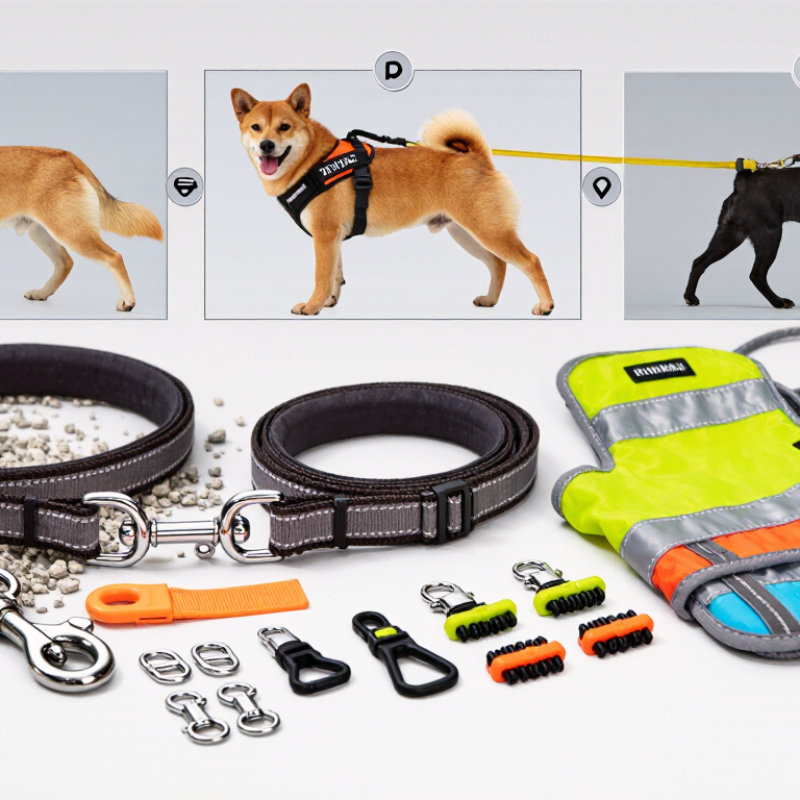
Start with the activity, not the product category. A jogging lead, flotation vest, and hiking pack face different forces, weather, and wear. Specify the animal’s size range, movement, contact points, expected load, and conditions of use. Include fit tolerances, adjustment range, reflective areas, and cleaning instructions. A vivid color is not a safety specification.
Set measurable acceptance criteria before requesting samples. For example, define seam strength, buckle retention, abrasion resistance, and performance after washing.
The Outdoor Industry Association reported 175.8 million U.S. outdoor participants aged six and older in 2023, or 57.3% of that population. This signals broad outdoor participation, not specific demand for pet gear. The American Pet Products Association reported U.S. pet-industry spending of $147 billion in 2023; that figure covers many categories.
Ask suppliers for material declarations, test methods, and dated inspection records. Review a sample on a moving animal, not only on a display form. Some requirements will need revision after field trials.
Tips: Match tests to real use. Check stitching after repeated pulls, inspect hardware for sharp edges, and confirm the fit stays stable during movement. Keep a written defect log. Small details matter. If test results lack conditions or units, request clarification before approving production.
When sourcing sports and action pet accessories, assess suppliers against the actual demands of use. A leash pouch or running harness may face sweat, rain, repeated pulling, and quick adjustments. Ask for material specifications, stitching details, size tolerances, and care instructions. A polished catalogue is not proof of consistent production. Request samples from a normal production run, not only a specially prepared display piece. Check seams, buckles, edges, and adjustment points by hand. Samples tell you more.
Tips: Test samples with realistic movement and light, controlled pulling. Record defects with photos and measurements. Ask how the supplier handles failed inspections, material substitutions, and production delays. Clear answers matter. Vague promises do not.
Evaluate communication as carefully as construction. Share a written specification, then see whether the supplier catches missing details, such as sizing ranges or packaging requirements. Ask about quality checks at incoming-material, in-process, and final stages. For pet products, request relevant test reports and confirm what each report covers; a document alone cannot establish suitability for every use. Compare lead times and minimum order quantities with your launch plan, and confirm key terms in writing. One imperfect sample is a reason to investigate, not automatically to reject a supplier. Recheck revised samples, and keep notes—small inconsistencies can be easy to overlook.
When sourcing sports and action pet accessories, inspect the actual materials, not just a polished product photo. A running harness should have smooth edges, secure stitching, and buckles that stay closed during repeated movement. Check reflective panels in dim light, and test leash attachment points with controlled pulls. Small details matter.
Ask suppliers for material specifications, test reports, and clear records linking each document to the product and production batch. Requirements vary by destination, so confirm which chemical, labeling, and product-safety rules apply in each market. For products with coatings, prints, or metal parts, request relevant test results rather than relying on broad “safe” claims. Verify that reports come from a qualified laboratory and cover the finished item, not only one raw material. A sample can look excellent and still fail after washing or abrasion. I would not treat one clean sample as proof; repeat checks are easy to overlook when schedules get tight. Keep a retained sample and document changes to fabrics, dyes, hardware, or factories before approving production.
Source sports and action pet accessories by comparing samples, pricing, and production capacity side by side. Request samples made from the same materials and specifications you plan to order. Check seams, buckles, grip, and reflective details under ordinary use. Test fit and movement with different-sized pets where appropriate. A sample can look convincing but still reveal rough edges after washing or repeated adjustment. Small details matter.
Tips: Ask for a written quote with minimum order quantities, packaging, shipping, and any setup costs. Compare like with like. Request production timelines and monthly capacity, then ask how orders are checked for defects. A low unit price may not be the best value if lead times are uncertain or quality varies.
Before committing, ask whether the final production run will match the approved sample. Get the material, measurements, color, and inspection criteria documented. If possible, review a pre-production sample and clarify how delays or defective items are handled. Supplier claims are useful, but supporting records and clear answers are more dependable. One detail is easy to miss: capacity figures may describe ideal output, not what remains available during busy seasons. Ask for realistic dates. A small trial order can reduce risk, though it may cost more per item and take extra coordination.
Keep each purchase order tied to a clear product specification. Record sizes, materials, colors, stitching, and packaging requirements in one shared document. Small details matter. A “medium” harness can vary between suppliers, so include measurements and a reference sample. Confirm quantities, unit prices, production dates, and carton counts before approving an order. If details change, update the document and ask the supplier to confirm the revision in writing. Email threads get messy.
Inspect samples before full production, especially for items used during running or outdoor play. Check buckle closure, seam strength, strap adjustment, and reflective details under low light. Pull firmly, but use a repeatable method rather than relying only on feel. Keep dated photos and note defects by type and quantity. A small sample cannot reveal every production issue; that limitation is easy to forget. Arrange an agreed inspection before shipment, with clear pass-and-fail criteria.
Plan shipping around finished goods, not optimistic estimates. Ask for packed carton dimensions, gross weight, and the expected dispatch date. Compare these details with the order before booking freight. Use packaging that protects hardware and keeps fabric dry, without adding unnecessary bulk. Request tracking information and shipping documents promptly, then check that product descriptions and quantities match the order. Delays happen. Leave time for them, and tell your sales team when stock availability changes.
Example order-planning timeline: estimated calendar days for each sourcing and fulfillment stage.
Planning estimates only. Actual lead times vary by product complexity, order quantity, inspection requirements, and shipping route. Confirm timelines with suppliers before placing an order.
Ask for material specifications, stitching details, size tolerances, and care instructions. A polished catalogue proves little.
Yes. Request samples from a normal production run, then inspect seams, buckles, edges, and adjustment points by hand. Samples tell you more.
Try realistic movement and controlled pulls. Check whether buckles stay closed and leash attachments hold securely.
Photograph it, measure it, and ask how the supplier handles failed checks or material changes. One flawed sample needs investigation, not an instant rejection.
Ask for relevant test reports and records linking each report to the finished product and production batch. A document alone proves little.
Inspect the actual item, including coatings, prints, and metal parts. Check reflective panels in dim light. Small details matter.
No. Washing or abrasion may reveal problems later. I would not treat one clean sample as proof.
Confirm sizing, packaging, lead times, order quantities, and key terms in writing. Keep a retained sample and record changes to fabrics, dyes, or hardware. I may still miss something, so notes help.
Sourcing Sports Action Pet accessories starts with clearly defining the intended activities, pet sizes, required features, and expected durability. These details help create practical specifications for items such as wearable gear, toys, or outdoor accessories. Next, identify potential suppliers and assess their communication, relevant experience, manufacturing capabilities, and willingness to provide product information. Check that materials are appropriate for pets, construction is sturdy, and applicable safety and compliance requirements can be documented.
Request samples to evaluate comfort, usability, and workmanship before comparing prices, minimum order quantities, lead times, and production capacity. Once a supplier is selected, confirm specifications and delivery expectations in writing, arrange quality checks during production, and inspect finished goods before shipment. Careful planning at each stage can reduce sourcing risks, support consistent product quality, and help ensure orders arrive on schedule.